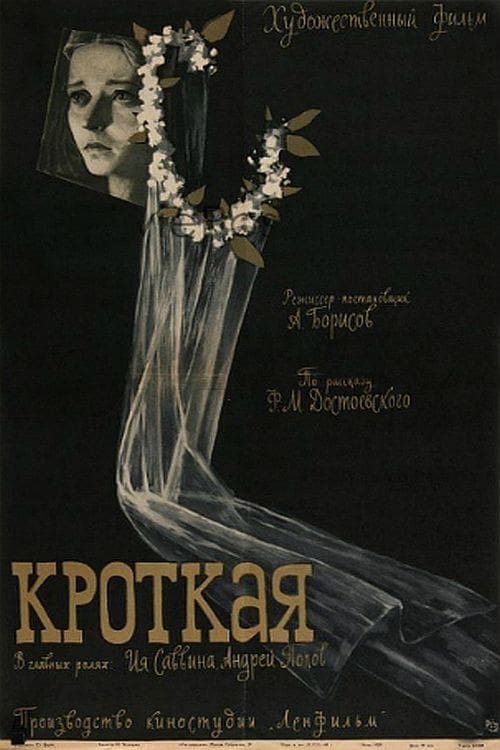
The Meek One
1960
No user ratings available yet
Diversity score: 3.8 out of 10
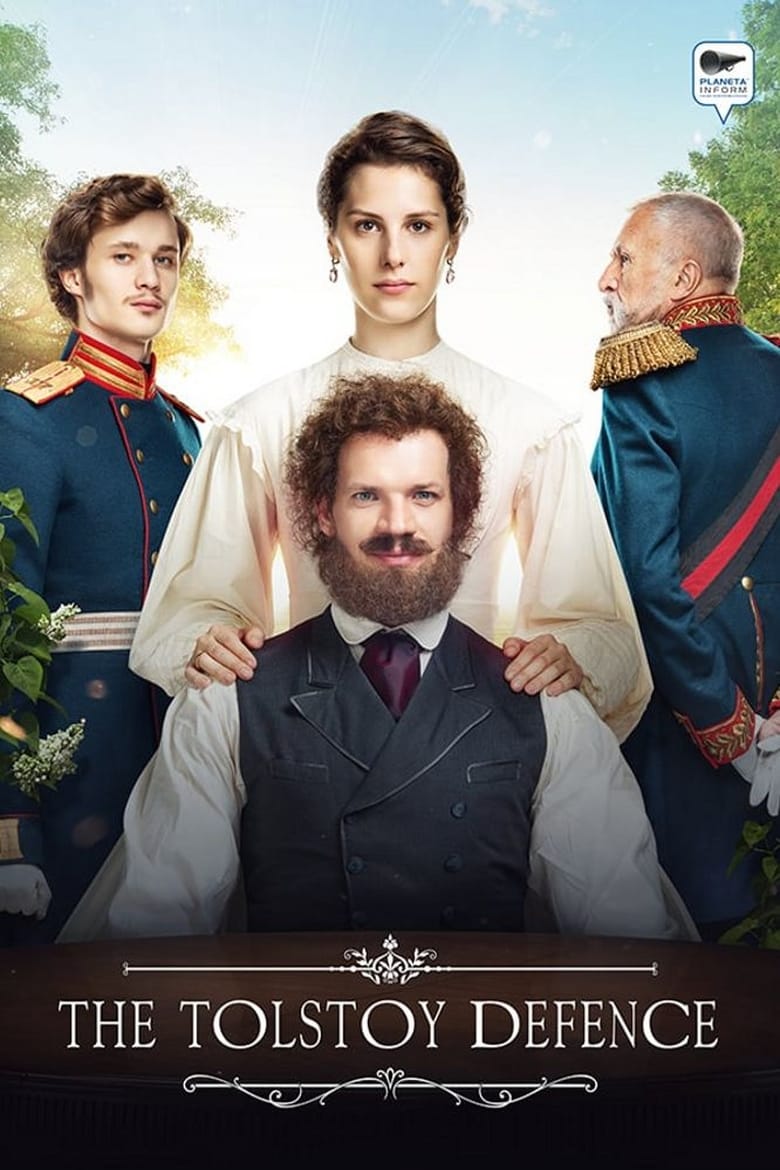
2018
Director
Avdotya Smirnova
Runtime
112 minutes
Average Rating
No ratings yetSynopsis
The shrill and tragic story about an event that involved Count Lev Nikolaevich Tolstoy. In an infantry regiment of the military based in the Tula region an offence occurs. In this regiment, the capital’s lieutenant Grigory Kolokoltsev — inspired by progressive ideas — does his service. A military tribunal and execution await the soldier charged with the offence. Kolokoltsev asks Count Tolstoy for help — and he decides to protect the innocent man. The pointed history about the complexity of choice and fidelity to one’s ideals is based on real events.
Overall Score
Limited
Category Breakdown
LGBTQ+ Representation
The film lacks visible representation of queer narratives or non-cisnormative identities. The story prioritizes historical and political agency over sexual orientation.
Gender Representation
Female characters appear within intellectual and social spheres, moving beyond submissive archetypes. However, the narrative remains centered on patriarchal military and class hierarchies.
Racial & Ethnic Diversity
The cast reflects the demographic homogeneity of the Russian Empire and the Tula region. This historical accuracy limits ethnic diversity within the period setting.
Religious & Cultural Diversity
The film excels in cultural critique by deconstructing traditional authority. It centers on individual morality and progressive ideals challenging state-sanctioned institutions and military tribunals.
Disability Representation
There is no significant evidence of characters with disabilities driving the plot. The narrative focus remains strictly on socio-political and moral dilemmas.
Strengths
Areas for Improvement
AI Analysis
The film is a period drama that prioritizes historical accuracy and moral philosophy over demographic breadth. While it lacks representation for LGBTQ+ and disabled characters, it offers a sophisticated critique of institutional power. The narrative succeeds by using progressive ideals to challenge the rigid, patriarchal structures of the Russian military. It replaces traditional tropes of blind patriotism with a complex study of individual conscience. Ultimately, the film's diversity is found in its intellectual subversion of authority rather than its cast composition. It trades broad demographic inclusion for a deep, focused exploration of situational ethics.
1960
1988
1969
1992
1969

1994
1985
1964
2018

2020
2013
2018
No reviews yet. Be the first to share your thoughts on this movie!
Use the rating form above to leave a star rating and optional review.