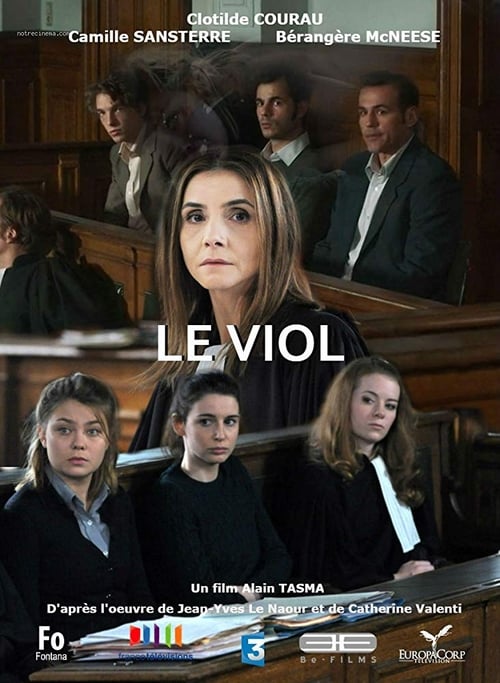
Le Viol
2017
No user ratings available yet
Representation score: 5.0 out of 10

Representation Score
Fair
2021
Director
Isabelle Doval
Runtime
88 minutes
Average Rating
No ratings yetNew Showbiz Analysis
Two Women is a period drama that focuses on the tension between individual ability to act and rigid institutional structures. It succeeds in deconstructing traditional power dynamics by centering a female protagonist fighting against systemic misogyny. The film's strength lies in its thematic commitment to challenging historical machismo. By positioning the judicial hierarchy as an antagonist, the narrative highlights the struggle for female autonomy in a restrictive era. However, the film's diversity profile is limited by a lack of visible representation in other key areas. While the gendered subversion is strong, the absence of data regarding racial, ethnic, or disability representation leaves a significant gap in the overall score.
Category Breakdown
The film critiques the era's pervasive machismo, which often intersects with queer themes. However, there is no explicit confirmation of LGBTQ+ characters or non-straight relationships.
The narrative centers on a woman asserting moral freedom against misogynistic authority. It challenges traditional gender clichés by focusing on female empowerment and a magistrate who disrupts patriarchal hierarchies.
There is no specific evidence regarding the racial composition of the cast. The historical context of 1965 France provides no data on non-white character presence.
The story critiques traditional Western institutions by framing the judicial system as oppressive. It prioritizes individual conscience over the rigid, state-sanctioned morality of the mid-1960s.
No information is available regarding the portrayal of physical or neurodivergent disabilities within this work.
Present on Screen
Limited or Absent
Official Synopsis
In 1965, Monique Case, who claimed her moral freedom, was wrongly accused by misogynist cops. She will be saved from the guillotine by a shy and reserved examining magistrate who chooses to rebel against the machismo of the judicial hierarchy and of the time.
2017

2021

2006

2009
2017

2021
2021

2015
No reviews yet. Be the first to share your thoughts on this movie!
Use the rating form above to leave a star rating and optional review.