Trust
2000
No user ratings available yet
Representation score: 1.2 out of 10
Representation Score
Minimal
2006
Director
Christian Faure
Runtime
187 minutes
Average Rating
No ratings yetNew Showbiz Analysis
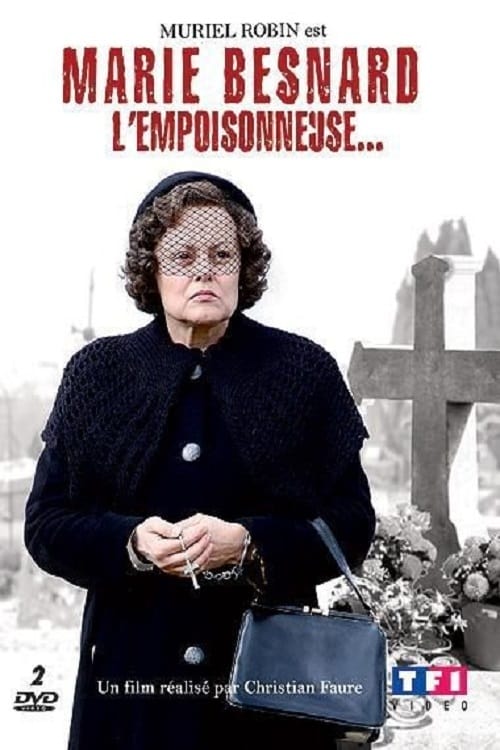
The film is a period-specific historical drama that prioritizes reconstructing a real-life criminal case over modern characters who reflect more than one aspect of diversity. It functions as a localized character study centered on the legal scrutiny of Marie Besnard. While the production offers a strong female-led narrative, it remains rooted in the social hierarchies of post-war France. The focus is on the judicial process and communal suspicion rather than deconstructing systemic identities. Ultimately, the work adheres to traditional dramatic structures, offering a conventional exploration of historical tragedy without challenging established racial or cultural norms.
Category Breakdown
The film centers around a traditional marriage and a group of friends. It does not include any non-straight or non-cisgender identities or critiques of the assumption that everyone is straight.
Marie Besnard is a central female character, providing a platform for female-driven storytelling. However, her role is defined by legal struggles rather than challenging patriarchal structures.
Set in 1947 rural France, the film reflects the homogeneous demographics of the time. The narrative stays within a traditional, Eurocentric framework with no mention of diverse ethnic casting.
The story explores the tension between an individual and a community. It follows the conventions of historical true-crime drama, reinforcing traditional notions of justice and social order.
There is no mention of characters with visible or invisible disabilities. No evidence suggests that disability plays a role in the narrative.
Present on Screen
Limited or Absent
Official Synopsis
Loudun, October 1947. Leon Besnard and Marie celebrate their eighteenth wedding anniversary with friends and Ady, a former German prisoner they have "adopted". A few days later, Leon dies. Louise, a friend of the couple's and probably Leon's mistress claims that, on his deathbed, the deceased told her that Marie was poisoning him. The whole town soon condemns Marie and she is arrested and sent to jail. Did she really kill Léon as well as twelve other members of her family as she finds herself charged with?
2000
1995

2001
1999
2018
2011
2021

2015
No reviews yet. Be the first to share your thoughts on this movie!
Use the rating form above to leave a star rating and optional review.