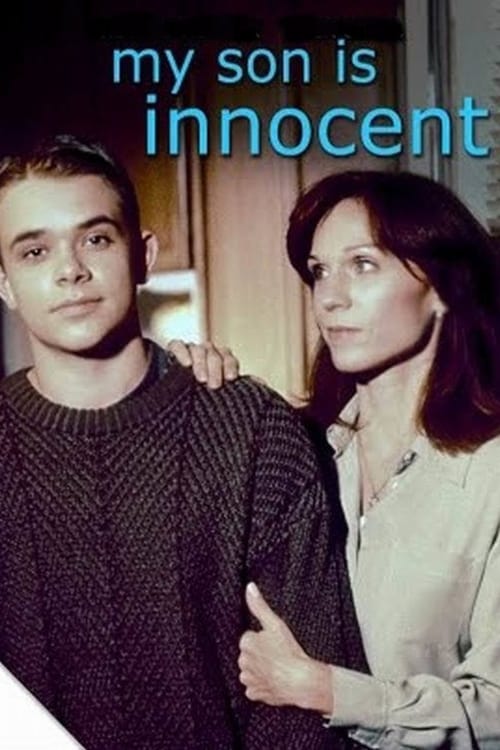
My Son Is Innocent
1996
No user ratings available yet
Representation score: 2.0 out of 10
Representation Score
Limited
1985
Director
Michael Miller
Runtime
96 minutes
Average Rating
No ratings yetNew Showbiz Analysis
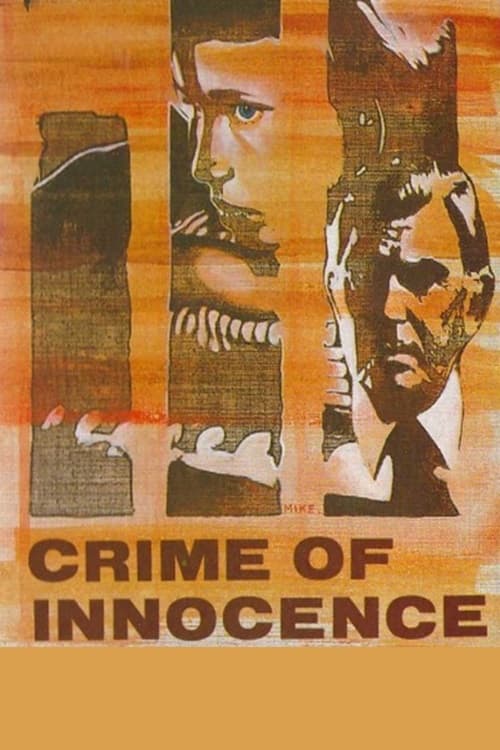
Crime of Innocence centers its narrative on female perspectives, challenging patriarchal authority through the experiences of two teenage girls navigating a harsh judicial system. This focus provides a strong critique of institutional power dynamics. However, the film lacks depth in exploring various identities. There is no information about racial, ethnic, or LGBTQ+ backgrounds, leaving these dimensions unexplored. Additionally, the absence of data on disability representation further limits the film's inclusivity. Ultimately, while the film successfully subverts traditional legal drama clichés by prioritizing female perspectives, its lack of diverse character identities prevents a higher diversity score.
Category Breakdown
The film does not explicitly include LGBTQ+ characters or explore non-cisgender identities. The story focuses on the trauma experienced by two female protagonists without delving into their sexual orientations.
The narrative centers on female perspectives, following two teenage girls through a punitive legal system. This shifts the focus away from traditional male-centric legal dramas.
The film does not provide information about the racial or ethnic backgrounds of the characters. Therefore, there is no meaningful exploration of non-Anglo-Saxon perspectives.
The film critiques Western institutions by portraying the legal system as unfair and traumatizing. It questions the assumed infallibility of state authority.
The film does not mention any neurodivergence, physical disabilities, or specific mental health conditions. Despite the characters experiencing significant trauma, there is no representation of disabilities.
Present on Screen
Limited or Absent
Official Synopsis
Two teenage girls are locked up for a minor offence by a harsh judge who thinks a night in jail will do them good. It's a traumatizing experience that includes an assault. Afterwards, one of the girls and her family seek justice against an unfair legal system.
1996

1989

1975

1983
1992
1988
2010
1994
No reviews yet. Be the first to share your thoughts on this movie!
Use the rating form above to leave a star rating and optional review.