
Le Procès de Bobigny
2006
No user ratings available yet
Representation score: 6.3 out of 10
Representation Score
Fair
2017
Director
Alain Tasma
Runtime
87 minutes
Average Rating
No ratings yetNew Showbiz Analysis
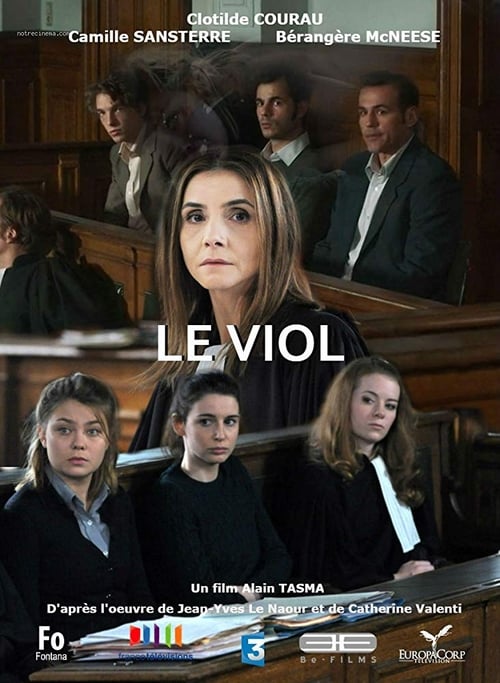
Le Viol is a biographical drama centered on the historical legal battle of Nicole and Malia. The film's main strength lies in its powerful subversion of gendered power dynamics, turning a personal tragedy into a broader critique of judicial failures. While the film effectively portrays women's ability to act and challenges patriarchal legal systems, it remains limited by its specific historical and demographic focus. The narrative lacks representation of LGBTQ+ identities and characters with disabilities. Overall, the film serves as a tool for social reform, focusing on dismantling institutional hierarchies rather than broad demographic diversity.
Category Breakdown
The film focuses solely on heterosexual experiences and legal battles. There is no representation of non-straight identities or discussions about straight-centric assumptions.
The film challenges the typical portrayal of female victims by highlighting women who drive major legal changes. It emphasizes women's intelligence and resilience in a male-dominated legal system.
The setting and cast reflect the demographics of 1970s Marseille. The story prioritizes gender and legal issues over racial diversity.
The film criticizes Western patriarchal institutions and the judiciary. It focuses on the pursuit of justice over social norms and traditional morality.
There are no characters with physical, neurodivergent, or sensory disabilities in the narrative.
Present on Screen
Limited or Absent
Official Synopsis
21 August 1974. In Marseille, two Belgian tourists, Nicole and Malia, are savagely attacked and raped by three men. Their attackers claim that the women consented and are allowed to remain free. Though their friends and family advise them to forget the ordeal, Nicole and Malia instead decide to fight. Helped by their lawyer, Gisèle Halimi, they request that the attackers be judged at the assize court. On 8 May 1978, after a long battle, they finally obtain justice. A trial which made history as until then rape had been considered simply as a misdemeanor, whereas now it became a crime.
2006
1988

2021

2016

1992

2002

1974

1980
No reviews yet. Be the first to share your thoughts on this movie!
Use the rating form above to leave a star rating and optional review.