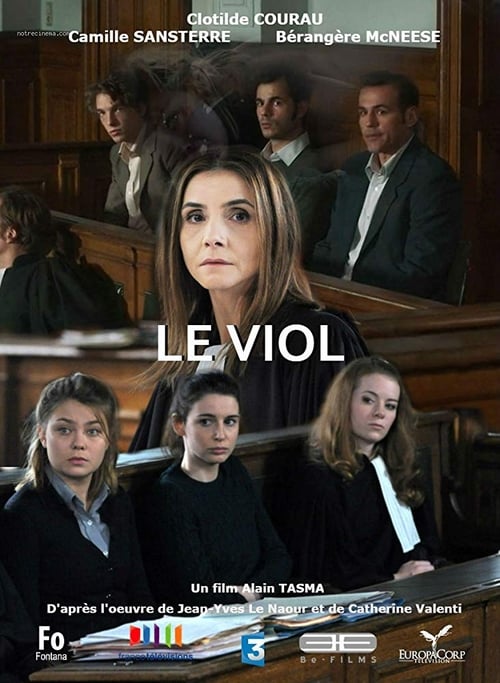
Le Viol
2017
No user ratings available yet
Representation score: 5.0 out of 10
Representation Score
Good
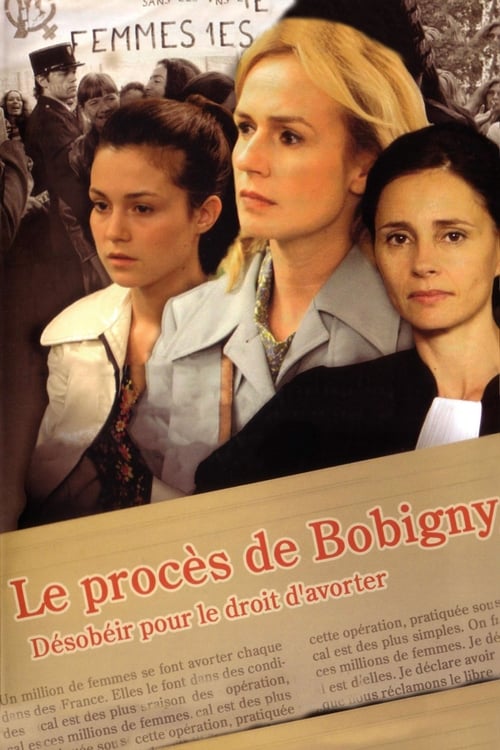
2006
Director
François Luciani
Runtime
88 minutes
Average Rating
No ratings yetNew Showbiz Analysis
Le Procès de Bobigny is a powerful work of social advocacy that uses historical reconstruction to challenge systemic judicial failures. It successfully elevates female voices, turning individual trauma into a collective movement for legal reform. However, the film lacks explicit representation of LGBTQ+ identities and provides no information regarding disability. The racial diversity remains unspecified, reflecting a narrow focus on a specific French historical moment.
Category Breakdown
The film focuses on reproductive rights and female solidarity but does not include explicit LGBTQ+ character arcs or critiques of heteronormativity.
The plot centers on women's ability to drive the story and challenges patriarchal hierarchies. Women navigate and challenge a legal system designed to control their bodies.
Set in 1972 France, the film focuses on a specific legal case in Bobigny. The racial composition is not explicitly detailed in the narrative.
The film critiques the intersection of state law and religious-influenced morality. It portrays the 1920 law as an oppressive mechanism against secular progress.
There is no evidence regarding the portrayal of physical or neurodivergent disabilities within the story.
Present on Screen
Limited or Absent
Official Synopsis
In 1972 16-year-old Marie-Claire became pregnant after a rape. With help from her mother Michelle and three other women, she underwent a clandestine abortion. Under a 1920 law, the five women were arrested and charged. Supported by a procession of well-known French (eg Simone de Beauvoir), the five were released and the law was adapted.
2017

1989

2021

2022
1992

2021
2016
2004
No reviews yet. Be the first to share your thoughts on this movie!
Use the rating form above to leave a star rating and optional review.