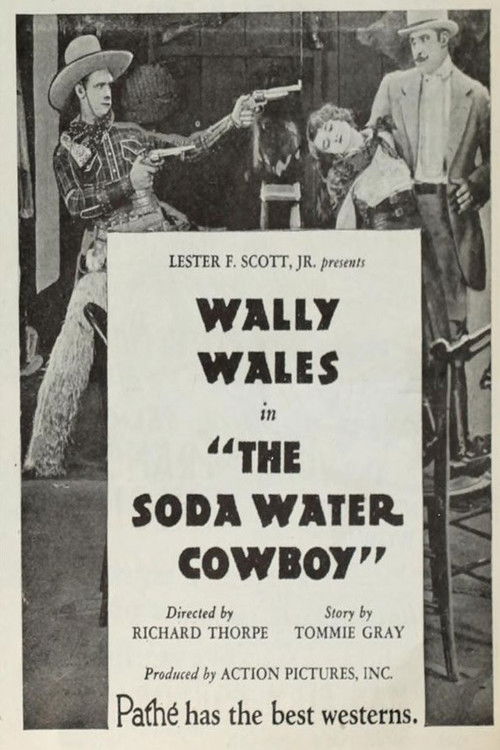
The Soda Water Cowboy
1927
No user ratings available yet
Representation score: 0.4 out of 10
Representation Score
Minimal
1927
PassedDirector
Richard Thorpe
Runtime
50 minutes
Average Rating
No ratings yetNew Showbiz Analysis
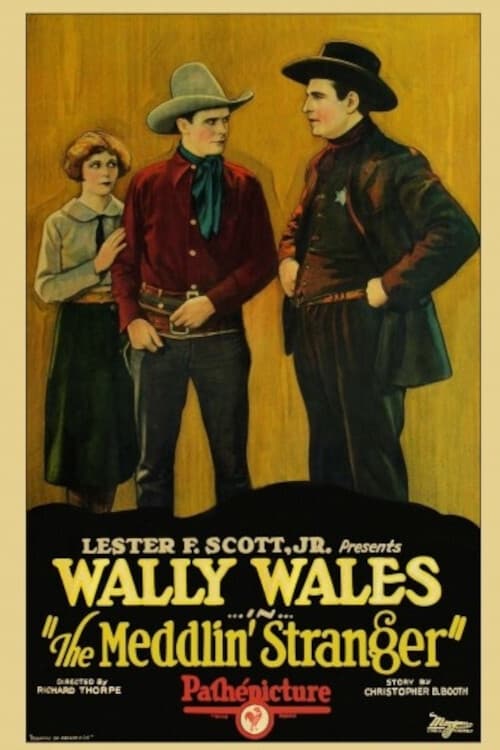
The Meddlin' Stranger is a primitive silent Western that reflects the rigid social archetypes of early American cinema. Produced by a Poverty Row studio, it relies on established genre conventions rather than narrative subversion. The film lacks complexity in representing multiple aspects of identity, focusing instead on a standard hero-versus-villain dynamic. This structure prioritizes traditional hierarchies over diverse or progressive character development. Ultimately, the work serves as a product of its time, adhering to the homogeneous casting and limited representation characteristic of 1920s genre films.
Category Breakdown
The film does not include any LGBTQ+ identities and operates within a traditional binary framework typical of the 1920s.
Female characters likely function in submissive or domestic roles, reinforcing traditional gender hierarchies rather than giving women significant roles in driving the story.
The film adheres to the era's standard of limited racial representation, reinforcing Anglo-centric narratives common to 1927 Westerns.
The story follows a conventional morality play centered on hero versus villain dynamics, aligning with traditional Western values of the period.
There is no documented evidence regarding the portrayal of physical or neurodivergent disabilities in this production.
Present on Screen
Limited or Absent
Official Synopsis
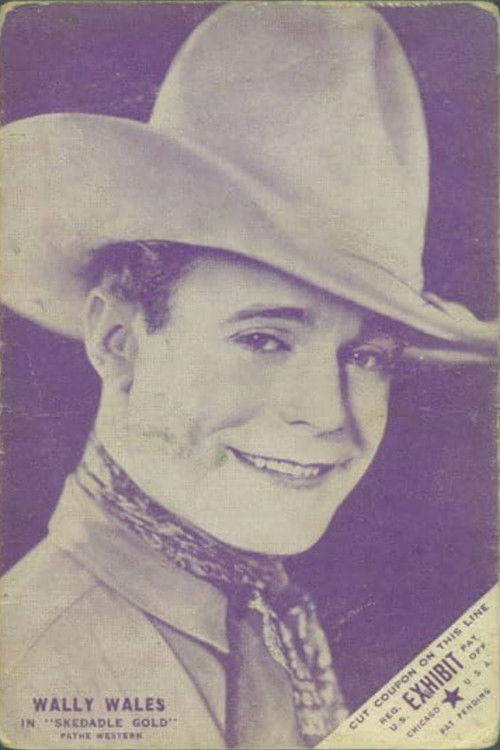
Popular B-Western hero Wally Wales (later known as Hal Taliaferro) went up against none other than Boris Karloff in this primitive silent oater from poverty row studio Action Pictures.
1927
1924
1928
1927
1927
1928
1948
1934
No reviews yet. Be the first to share your thoughts on this movie!
Use the rating form above to leave a star rating and optional review.