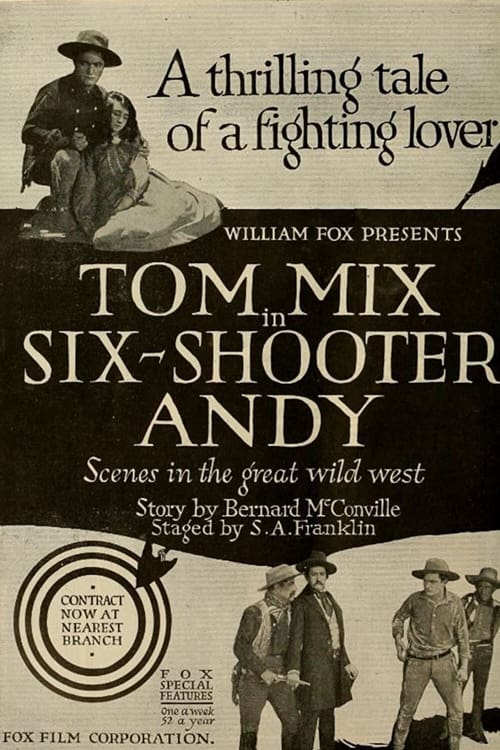
Six-Shooter Andy
1918
No user ratings available yet
Representation score: 1.1 out of 10
Representation Score
Minimal
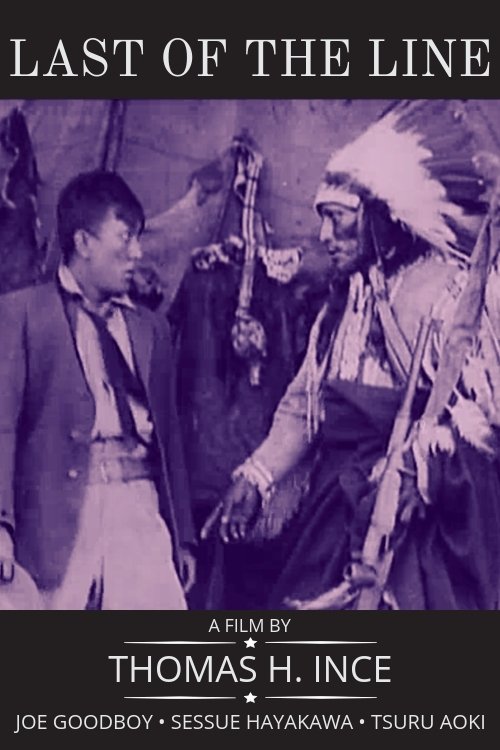
1914
NRDirector
Thomas H. Ince, Jay Hunt
Runtime
27 minutes
Average Rating
No ratings yetNew Showbiz Analysis
This film offers visibility to Indigenous characters and narratives, setting it apart from many Anglo-centric Westerns of the time. However, its reliance on familiar moralizing clichés limits its ability to provide a deeper critique of systemic issues. The story focuses on patriarchal succession and the clash between tradition and assimilation, but it frames these issues through individual moral failures rather than broader systemic critiques.
Category Breakdown
The film lacks any evidence of LGBTQ+ characters or non-assuming gender matches what was assigned at birth identities. It adheres strictly to the standard social frameworks of the early silent era.
The film emphasizes traditional male leadership and the relationship between a father and son, reinforcing patriarchal hierarchies typical of early Western films.
The movie highlights Sioux narratives and non-white protagonists, providing visibility to Indigenous characters. However, it uses familiar clichés about 'fallen' natives to advance its moral message.
The storyline delves into the conflict between Indigenous culture and Western education, but frames this struggle through individual moral failures rather than systemic critiques of colonialism.
There is no information regarding the portrayal of physical, neurodivergent, or mental health disabilities in this work.
Present on Screen
Limited or Absent
Official Synopsis
Sioux leader Chief Gray Otter sends his son Tiah to the white man's school so that he can become a great leader. The son returns home drunk, disappointing his father. Things get worse when the son joins a group of renegades and robs a payroll wagon. The father, observing the clash from a distance, takes a side.
1918
1972

1958

1950
1954
1925
1957
1912
No reviews yet. Be the first to share your thoughts on this movie!
Use the rating form above to leave a star rating and optional review.