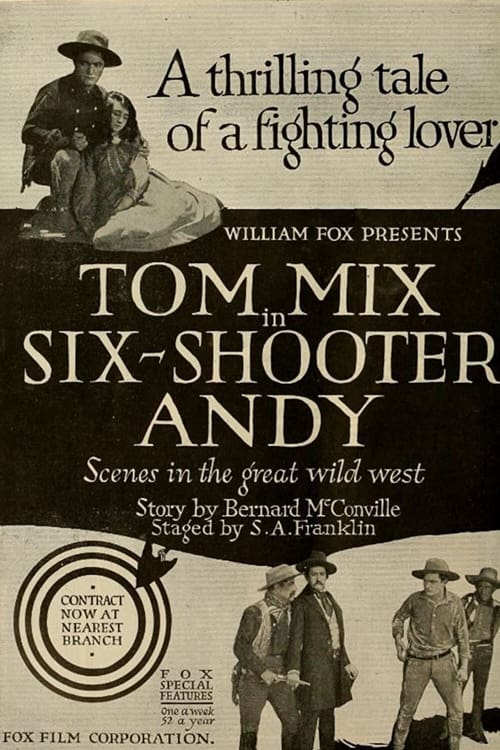
Six-Shooter Andy
1918
No user ratings available yet
Representation score: 1.1 out of 10
Representation Score
Minimal
1912
Director
Alice Guy-Blaché
Runtime
15 minutes
Average Rating
No ratings yetNew Showbiz Analysis
Alice Guy-Blaché's direction marks a significant shift from the patriarchal norms of early cinema. However, the narrative itself remains anchored in the established clichés of the time. The film centers on traditional Western melodrama, emphasizing domestic conflict and individual heroism. While it questions the idea of the law-abiding citizen through the 'renegade' figure, it does not explore deeper layers of diversity. Overall, the work reflects the localized conflicts and casting conventions of the early 1900s.
Category Breakdown
The film centers around a traditional family structure that assumes everyone is straight and cisgender. There is no indication of LGBTQ+ identities or non-binary gender roles.
The female character is shown in a vulnerable state, but her struggle drives the plot forward. The film challenges the typical stable husband stereotype by portraying the male lead as aggressive.
The story follows the standard casting practices of the 1912 Western genre, with no mention of non-white characters or cultural blending.
The story explores morality through individual heroism rather than institutional stability. It operates within the conventional moral themes of early 20th-century melodrama.
The film does not depict any characters with physical or cognitive disabilities.
Present on Screen
Limited or Absent
Official Synopsis
"Wild Bill" Gray is a renegade and a wife-beater. He is about to start on some expedition of crime and his wife implores him to stay at home. She receives a beating for her trouble. Jim, a cowboy, rides past the shack, hears Mrs. Gray's screams and interferes, and takes Mrs. Gray over to his friend, the postmaster, so that she may have a good home. "Wild Bill" plans vengeance. Paxton, the postmaster, starts for the station with money and gold, and is accompanied a short way by Jim. Gray sneaks after them. After going with Paxton a short distance, Jim takes a turn in the road and Paxton rides on alone. Gray closes up on the postmaster, gets the drop on him, but Paxton is quick and there's a hand-to-hand struggle. Bill, however, worsts Paxton, and finally sends him over a precipice. But in falling, Paxton falls into a tree and thus is saved from sure death.
1918
1971
1920
1932
1917
1925
1925
1924
No reviews yet. Be the first to share your thoughts on this movie!
Use the rating form above to leave a star rating and optional review.