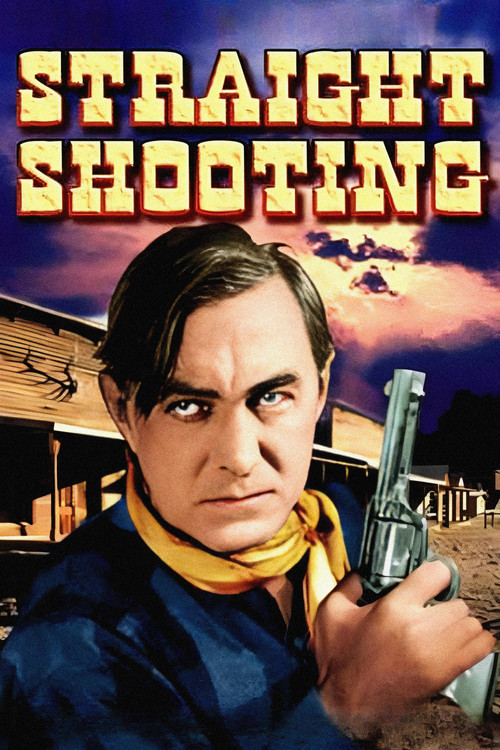
Straight Shooting
1917
No user ratings available yet
Diversity score: 1.3 out of 10
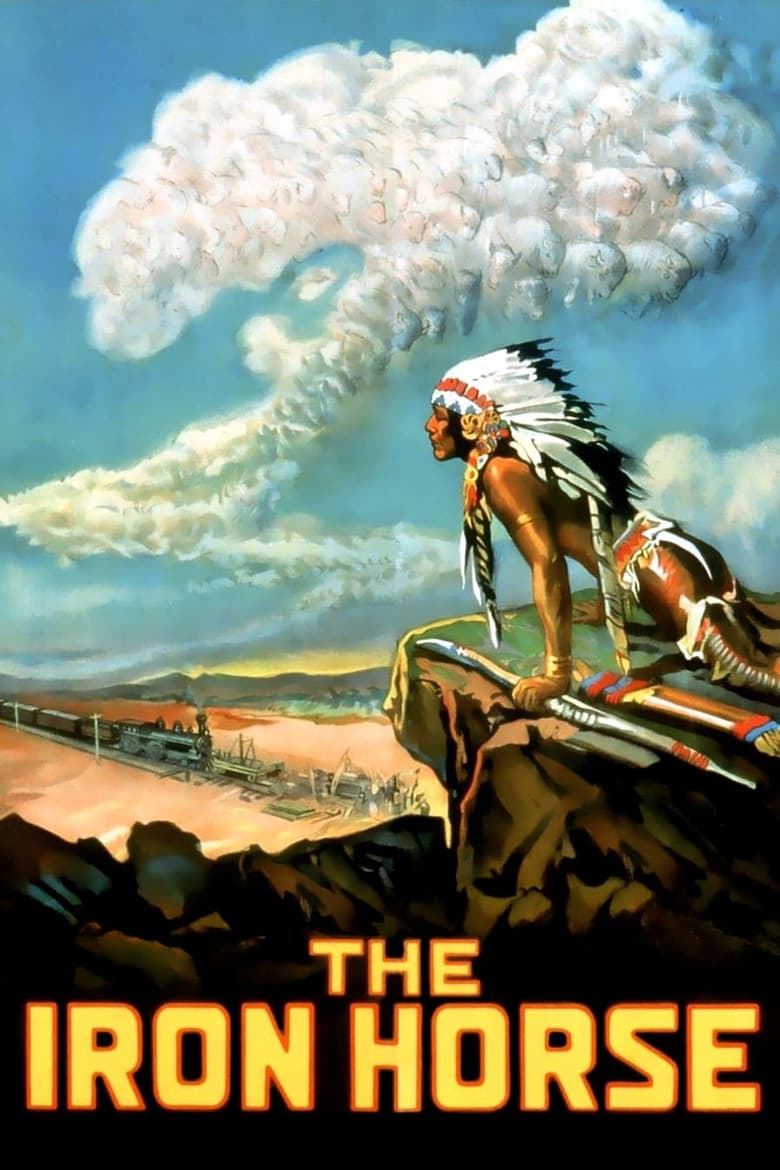
1925
PassedDirector
John Ford
Runtime
149 minutes
Average Rating
No ratings yetSynopsis
Brandon, a surveyor, dreams of building a railway to the west. He sets off with his son, Davy, to survey a route. They discover a new pass which will shave 200 miles off the expected distance, but they are set upon by a party of Cheyenne. One of them, a white renegade with only two fingers on his right hand, kills Brandon and scalps him. Davy is all alone now.
Overall Score
Minimal
Category Breakdown
LGBTQ+ Representation
The film lacks LGBTQ+ characters or non-heteronormative identities. It operates within a traditional framework of romantic subplots that reinforce conventional orientation norms.
Gender Representation
Female characters are relegated to domestic or supportive roles, serving as emotional anchors. The narrative prioritizes masculine leadership and the physical struggles of male railroad workers.
Racial & Ethnic Diversity
Indigenous populations are framed as obstacles to technological and territorial progress. The film uses Native American presence as a narrative catalyst for conflict rather than granting them agency.
Religious & Cultural Diversity
The story celebrates Western expansion and industrial progress as heroic endeavors. It reinforces the legitimacy of territorial expansion without offering any critique of Western institutions.
Disability Representation
There is no meaningful representation of disability. A character's physical trait is used merely as visual shorthand for villainy rather than exploring physical difference.
Strengths
Areas for Improvement
AI Analysis
The Iron Horse functions as a celebration of industrial expansion and nationalistic progress. It adheres to the cinematic conventions of the 1920s, centering the white surveyor and laborer as the primary drivers of the plot. While the film provides visibility to indigenous groups like the Cheyenne, it does so through a lens of Manifest Destiny. These characters are positioned as hurdles to be overcome by the protagonists rather than nuanced individuals. Ultimately, the film reinforces traditional early 20th-century hierarchies. It prioritizes patriarchal structures and views the construction of the Transcontinental Railroad as a unifying, civilizing force.
1917
1918
1946
1926
1918
No reviews yet. Be the first to share your thoughts on this movie!
Use the rating form above to leave a star rating and optional review.