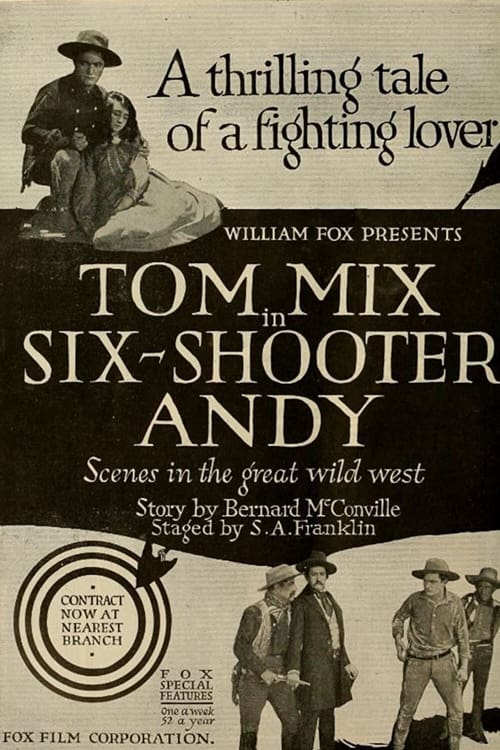
Six-Shooter Andy
1918
No user ratings available yet
Representation score: 1.1 out of 10
Representation Score
Minimal
1957
NRDirector
Lesley Selander
Runtime
88 minutes
Average Rating
No ratings yetNew Showbiz Analysis
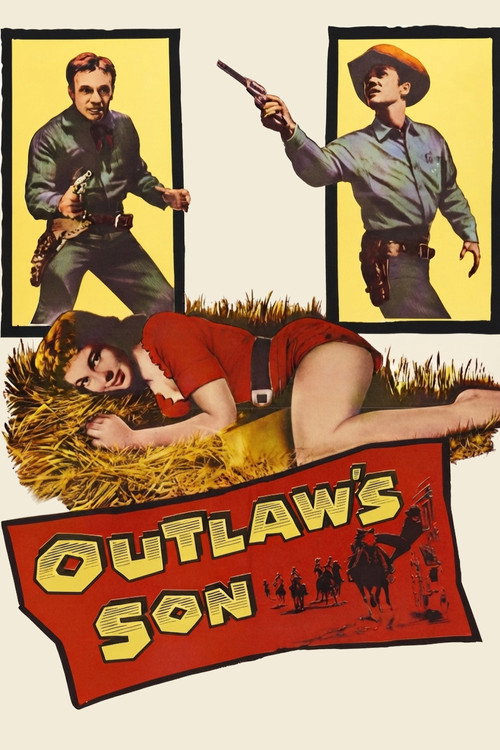
Outlaw's Son is a conventional mid-century Western that adheres strictly to the genre's established clichés. The narrative is built around traditional masculine legacies and patriarchal lineage, offering little room for social subversion. The film reinforces standard social hierarchies rather than challenging them. It functions as a straightforward genre piece, focusing on moral binaries and the weight of familial reputation. Because it reflects the studio system of 1957, the work lacks complexity and relies on homogeneous casting and traditional gender roles.
Category Breakdown
The film operates within a standard framework that assumes everyone is straight or cisgender. There is no evidence of LGBTQ+ characters or narratives that question traditional social structures.
The story focuses on patriarchal lineage and masculine archetypes. It prioritizes male-driven plots centered on a son's relationship with his father's legacy.
The narrative likely centers on Anglo-Saxon protagonists typical of the era. There is no indication of diverse casting or non-human metaphors for identity.
Storytelling follows traditional Western clichés emphasizing clear moral distinctions. The conflict focuses on individual responsibility rather than a critique of Western institutions.
The film provides no evidence of characters with visible or invisible disabilities.
Present on Screen
Limited or Absent
Official Synopsis
A young boy grows to adulthood believing his father was the man responsible for a murder committed during a bank robbery.
1918
1973
1960

1939
1953

1959
1974
1948
No reviews yet. Be the first to share your thoughts on this movie!
Use the rating form above to leave a star rating and optional review.