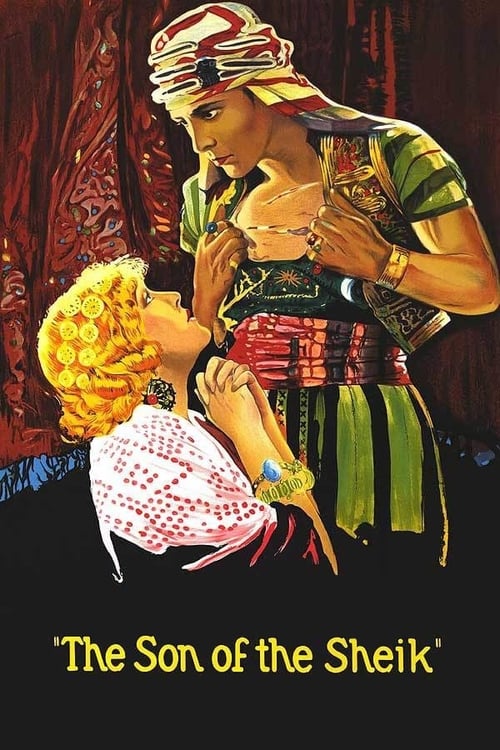
The Son of the Sheik
1926
No user ratings available yet
Diversity score: 1.4 out of 10
1926
PASSEDDirector
Harry Joe Brown
Runtime
58 minutes
Average Rating
No ratings yetSynopsis
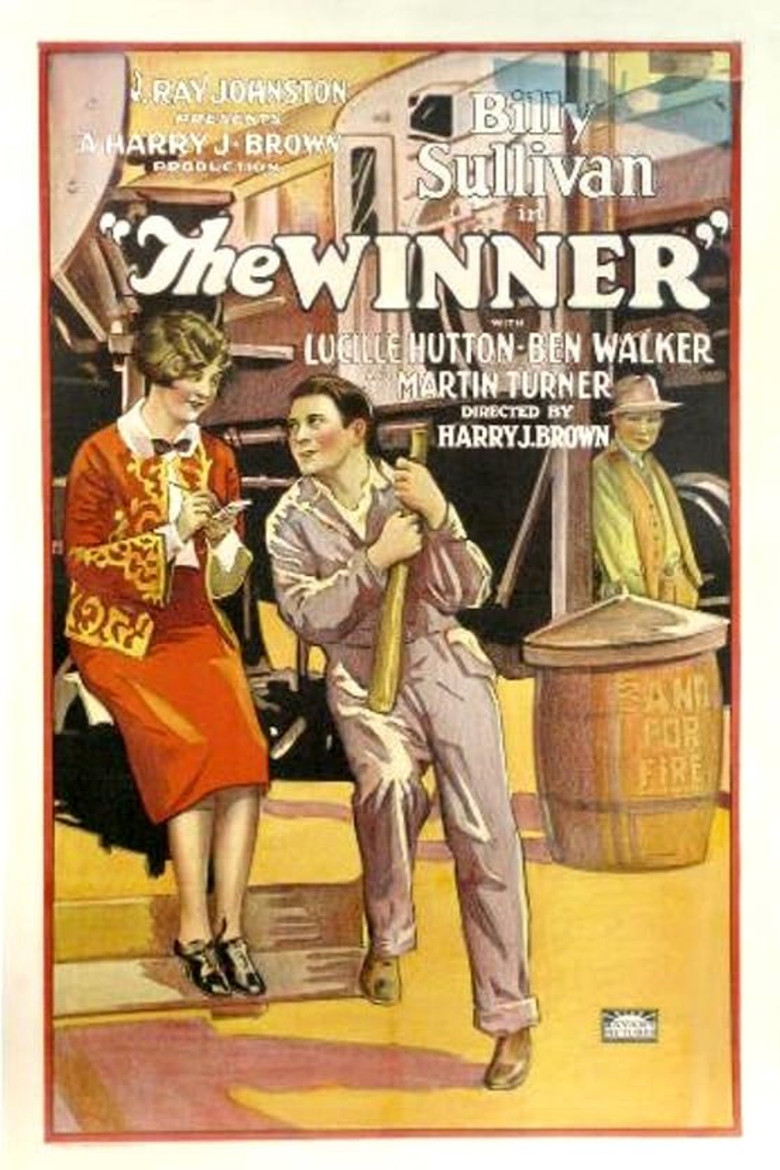
While Scotty McTavish is driving around his his big automobile, he sees a very pretty girl enter his father's railroad yards and falls in love at first sight. He borrows some blue overalls, gets by the gate-man and applies to the yard-foreman, "Slugger" Martin for a job. Scotty tells Martin his main objective is to meet the girl. The girl is Patsy Thorne, daughter of the yardmaster, and also the apple of Martin's eye. Martin also is more than a little bit crooked and he makes things very complicated before Scotty and Patsy can get together.
Overall Score
Minimal
Category Breakdown
LGBTQ+ Representation
The film lacks any evidence of queer narratives or non-heteronormative identities. The plot centers entirely on a traditional romantic pursuit between a man and a woman.
Gender Representation
Patsy Thorne serves primarily as a romantic catalyst and object of desire. While central to the plot, her agency is limited by her familial ties and romantic availability.
Racial & Ethnic Diversity
The story appears to inhabit a homogeneous Western setting focused on railroad workers. There is no indication of a multi-ethnic cast or diverse character arcs.
Religious & Cultural Diversity
The narrative relies on traditional Western structures and individual morality. It focuses on romantic pursuit and labor-based conflict rather than systemic or cultural critique.
Disability Representation
No characters are depicted navigating physical, sensory, or neurodivergent experiences. The cast functions within the standard physical capabilities of 1920s action protagonists.
Strengths
Areas for Improvement
AI Analysis
The Winner is a conventional silent-era melodrama that adheres strictly to the social and narrative hierarchies of the 1920s. The plot is driven by a standard romantic pursuit, where the male protagonist's actions are motivated by his attraction to the female lead. Diversity is minimal, as the film reflects the demographic homogeneity typical of its era. The characters occupy specific social strata, such as railroad workers and automobile owners, without any visible intersectional complexity or subversion of systemic norms. Ultimately, the film functions as a genre piece focused on physical spectacle and traditional tropes. It lacks representation for LGBTQ+ identities, diverse racial backgrounds, or characters with disabilities.
1926
1926
1927
1926
No reviews yet. Be the first to share your thoughts on this movie!
Use the rating form above to leave a star rating and optional review.