
No More Divorces
1964
No user ratings available yet
Representation score: 4.7 out of 10
Representation Score
Minimal
1949
Director
Leonard Buczkowski
Runtime
102 minutes
Average Rating
No ratings yetNew Showbiz Analysis
Treasure provides insight into the socioeconomic realities of post-war Poland through a comedic lens. The narrative centers on the shared experiences of the working and middle classes. While the film offers a glimpse into communal living and the pursuit of domestic stability, it lacks complexity in representing diverse identities. Characters adhere to traditional social and gendered roles typical of 1949 cinema. Ultimately, the film's strength lies in its portrayal of collective experiences rather than challenging traditional hierarchies or including diverse identities.
Category Breakdown
The film follows mid-century conventions focused on traditional romantic relationships, specifically between Witek and Krysia.
Krysia serves as the emotional center, while Witek drives the plot. The story reflects traditional gender roles and labor divisions.
The cast is uniform, reflecting a local Polish setting. The narrative does not address racial or ethnic diversity.
The film examines the tension between personal desires and communal life. It uses the search for treasure as a metaphor for socioeconomic advancement.
There is no depiction of physical or neurodivergent disabilities. Characters are defined by their socioeconomic status and comedic roles.
Present on Screen
Limited or Absent
Official Synopsis
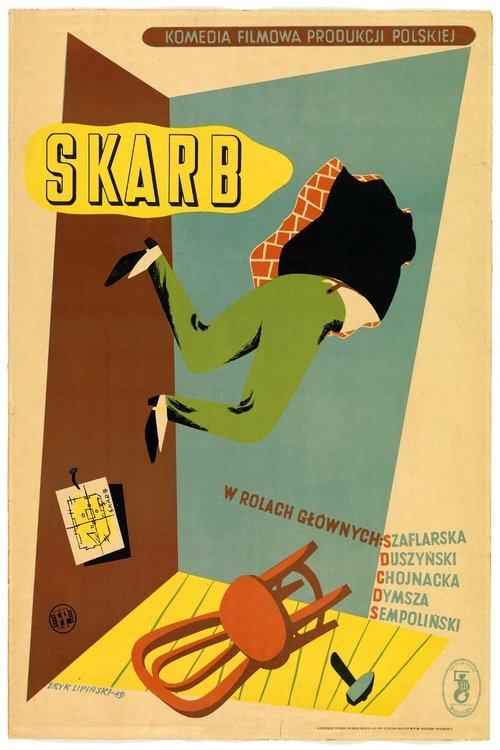
Witek and Krysia, a married couple, move to Warsaw and have nowhere to stay. They rent a room in a house with many other lodgers. Witek dreams of their own house and draws a sketch of their future home, marking the place where his wife will sleep with the word "treasure". The other lodgers find the draft and a frantic search for the treasure begins.
1964

1952

1941
1948

1936
1958

1976
1958
No reviews yet. Be the first to share your thoughts on this movie!
Use the rating form above to leave a star rating and optional review.