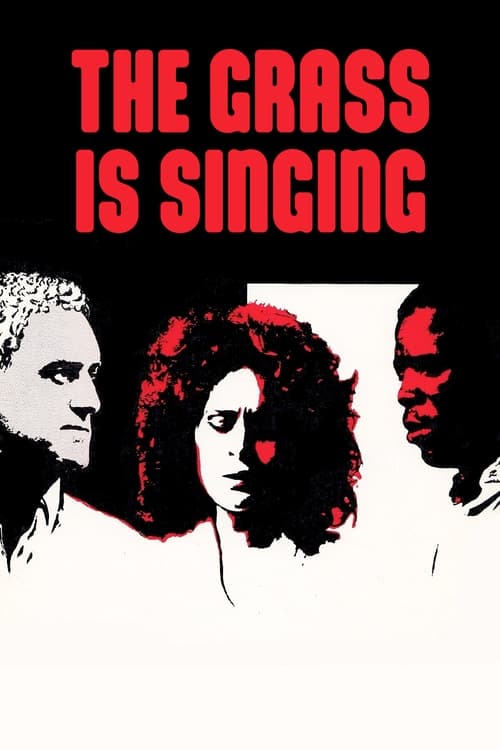
The Grass Is Singing
1981
No user ratings available yet
Representation score: 6.1 out of 10
Representation Score
Fair
1985
Director
Marion Hänsel
Runtime
88 minutes
Average Rating
No ratings yetNew Showbiz Analysis
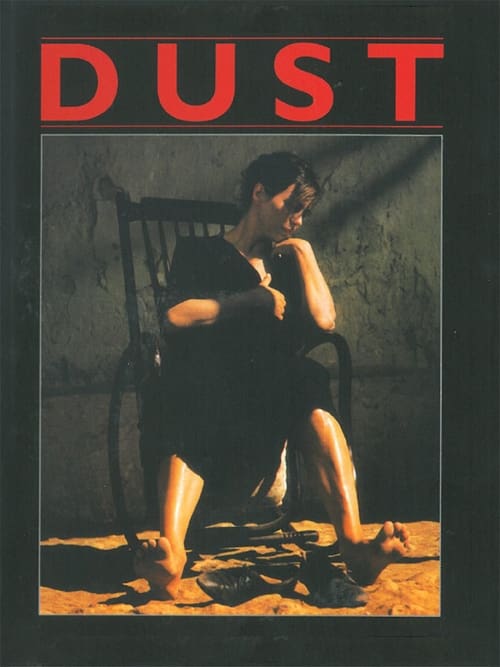
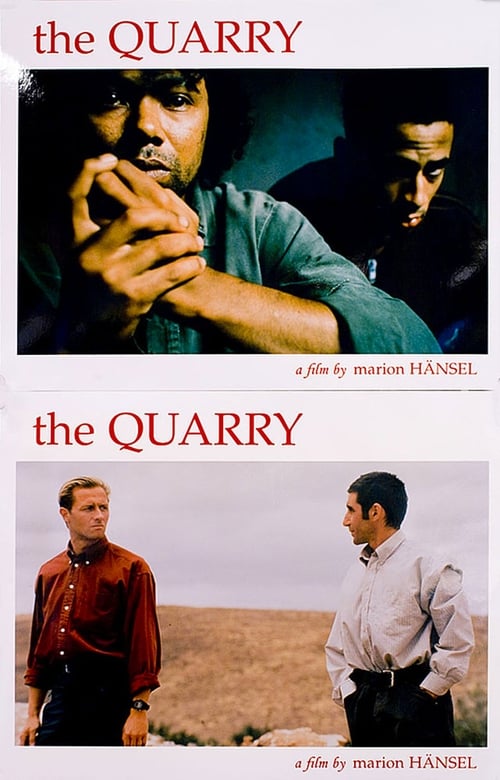
Marion Hänsel’s *Dust* is a provocative deconstruction of patriarchal and colonial power. By centering the story on a woman's violent response to systemic abuse, the film explores the fallout of moral transgression. It subverts traditional gender roles, transforming the female lead into an active disruptor of social order. The film uses a post-colonial framework to highlight racialized power dynamics and exploitation. However, it lacks representation for LGBTQ+ identities and provides no information regarding disability. Its demographic scope remains narrow despite its critical examination of social hierarchies.
Category Breakdown
The film does not include any documented LGBTQ+ characters or narratives. The story focuses on sexual violence and the resulting family conflict.
The narrative centers on a female protagonist who challenges the patriarchal order by reclaiming ability to act through violence. She disrupts her father's authority.
The film examines racialized power through a post-colonial lens, focusing on the moral crisis caused by a white landowner's violation of a Black woman.
It critiques Western institutions and the landed class, portraying the traditional family unit as a site of oppression rather than security.
There is no evidence regarding the depiction of physical or neurodivergent disabilities in this work.
Present on Screen
Limited or Absent
Official Synopsis
A South African spinster murders her father after he rapes the wife of the black foreman for his plantation.
1981
1960
1971

1989
1965
1964
1998
1997
No reviews yet. Be the first to share your thoughts on this movie!
Use the rating form above to leave a star rating and optional review.