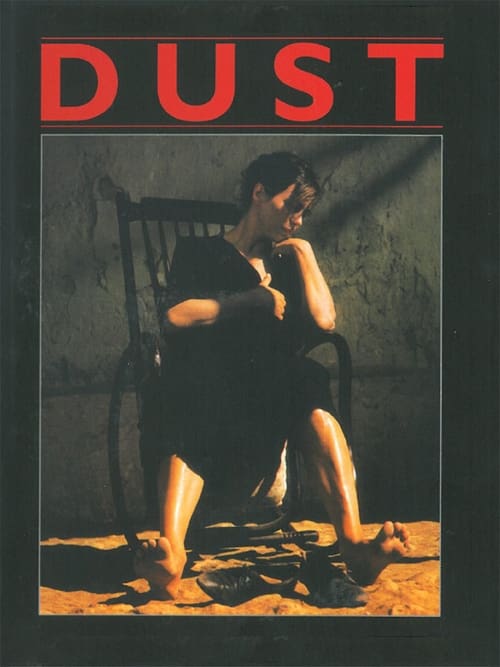
Dust
1985
No user ratings available yet
Representation score: 4.5 out of 10

Representation Score
Good
1981
Director
Michael Raeburn
Runtime
105 minutes
Average Rating
No ratings yetNew Showbiz Analysis
The film serves as a sophisticated post-colonial critique, challenging the myth of colonial stability. It presents the Western presence in Africa as inherently unstable and psychologically taxing. Though it lacks contemporary markers like LGBTQ+ representation or neurodivergent ability to act, it effectively dismantles Eurocentric perspectives. By showing the disintegration of the colonizer, it exposes the failures of the colonial project. Ultimately, the film's strength lies in its structural critique of Western hegemony and the racial stratification of the era.
Category Breakdown
The film does not include explicit LGBTQ+ characters or non-straight relationships. It focuses on heterosexual dynamics within the social hierarchy of 1940s Rhodesia.
The story explores the psychological erosion of Mary within a restrictive patriarchal structure. While it highlights the limitations placed on women, women's ability to drive the story is often overshadowed by psychological decline.
The film depicts the racial hierarchies of colonial Southern Africa by centering tensions between white settlers and Black Africans. Moses is a character with significant, tragic ability to act.
The narrative critiques Western imperialist structures rather than glorifying settler life. It portrays the colonial institution as a source of isolation and systemic failure.
Mental health is addressed through Mary's psychological deterioration. However, this leans toward the 'madwoman' cliché, treating instability as a narrative catalyst rather than a lived experience.
Present on Screen
Limited or Absent
Official Synopsis
In Southern Rhodesia in the 1940s, city-dweller Mary marries farmer Dick Turner and is plucked from the comforts of her cosmopolitan life and forced to live on his unsuccessful farm. Mary slowly goes insane and has a sexual affair with her black servant, Moses. When the affair is discovered, Mary asks Moses to leave the farm, but he returns and murders her.
1985
1946
1979
1951
1971

1964

1961

2007
No reviews yet. Be the first to share your thoughts on this movie!
Use the rating form above to leave a star rating and optional review.