Science Friction
1963
No user ratings available yet
Representation score: 0.5 out of 10
Representation Score
Limited
1948
NRDirector
Robert McKimson
Runtime
7 minutes
Average Rating
No ratings yetNew Showbiz Analysis
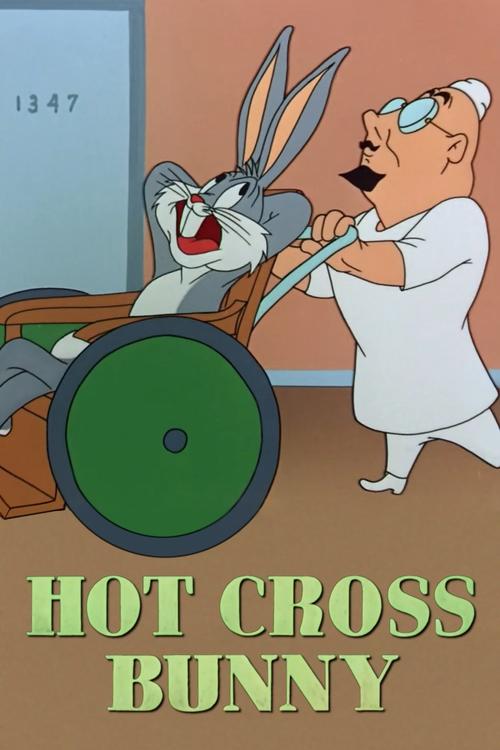
Hot Cross Bunny is a period-specific short that prioritizes slapstick humor over social complexity. The narrative uses a science-fiction premise to disrupt biological identity, but this serves the joke rather than any progressive message. The film follows the conventional storytelling of 1948 animation. It lacks depth in exploring diverse identities, focusing instead on the chaos caused by a failed medical experiment. Ultimately, the work functions as a character-driven comedy that adheres to the demographic and stylistic norms of its time, offering little in the way of social subversion.
Category Breakdown
The film does not include any representation of LGBTQ+ identities. The story revolves around experiments involving animal archetypes.
The story centers on a male character and a powerful doctor. It does not challenge traditional gender roles or explore gender dynamics.
The characters are anthropomorphic animals, which provides a neutral baseline. There is no indication of intentional racial blending or ethnic metaphors.
The film uses the 'mad scientist' cliché within a clinical setting. It does not prioritize secular themes or critique Western institutions beyond typical comedic elements.
Neurological changes are used as a comedic device. Characters have limited influence over their altered states, avoiding deeper explorations of neurodivergence.
Present on Screen
Limited or Absent
Official Synopsis
At Eureka Experimental Hospital, a doctor plans to switch the characteristics of a chicken into the brain and a rabbit, into each other. Bugs Bunny was registered as the experimental rabbit, Number 46.
1963
1955
1955
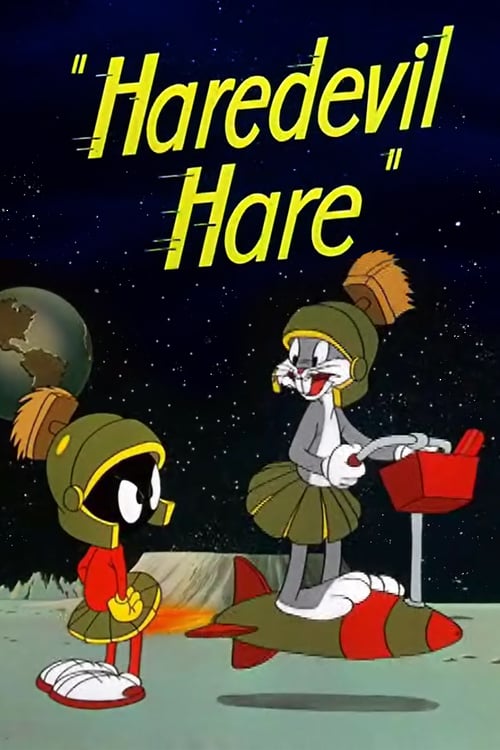
1948
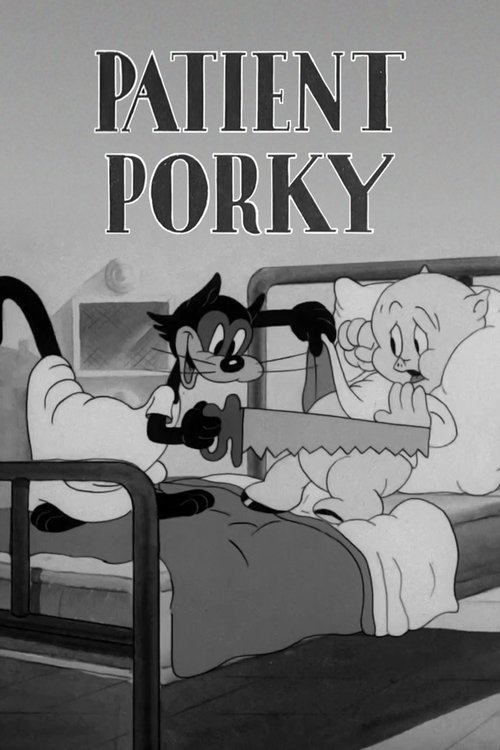
1940
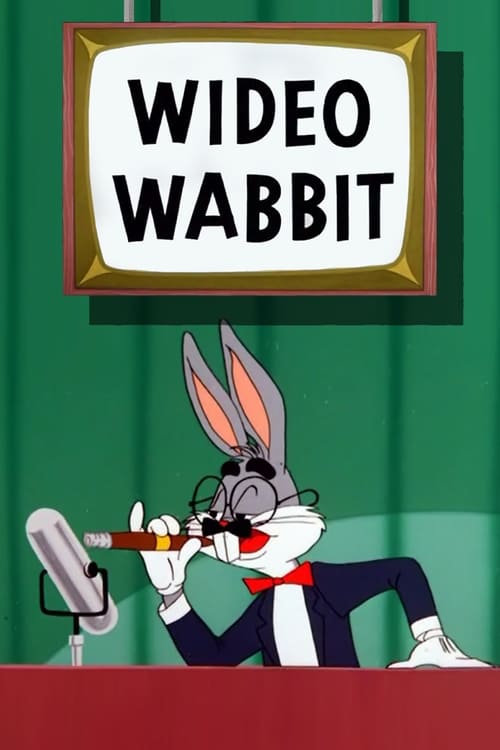
1956
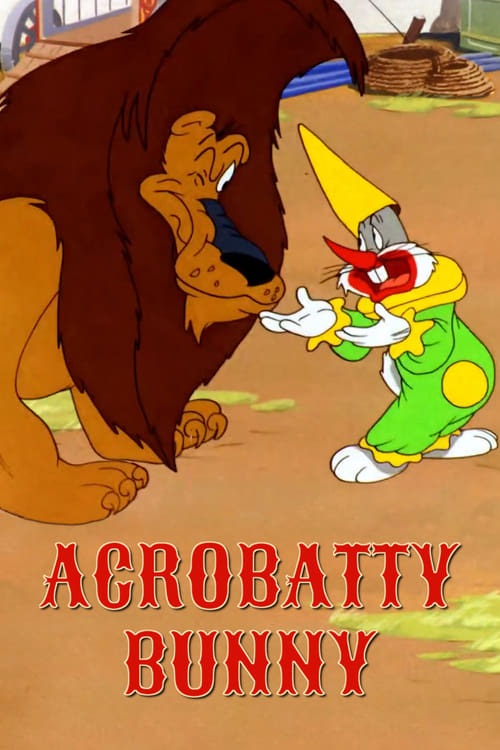
1946
1946
No reviews yet. Be the first to share your thoughts on this movie!
Use the rating form above to leave a star rating and optional review.