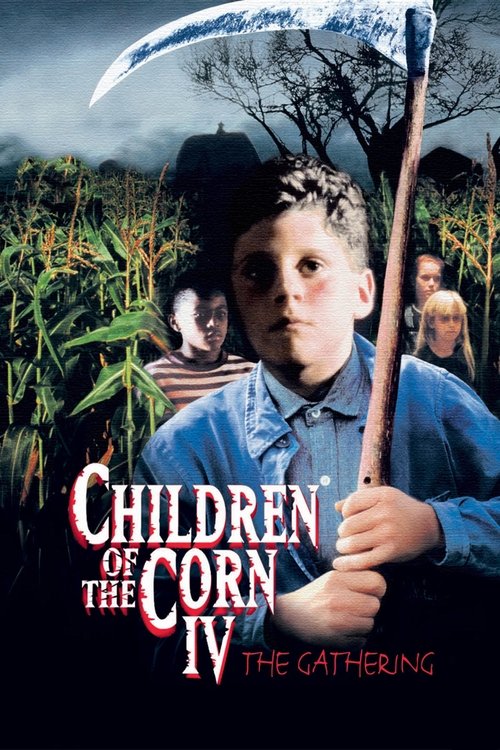
Children of the Corn IV: The Gathering
1996
No user ratings available yet
Representation score: 1.9 out of 10
Representation Score
Limited
1992
RDirector
David Price
Runtime
92 minutes
Average Rating
No ratings yetNew Showbiz Analysis
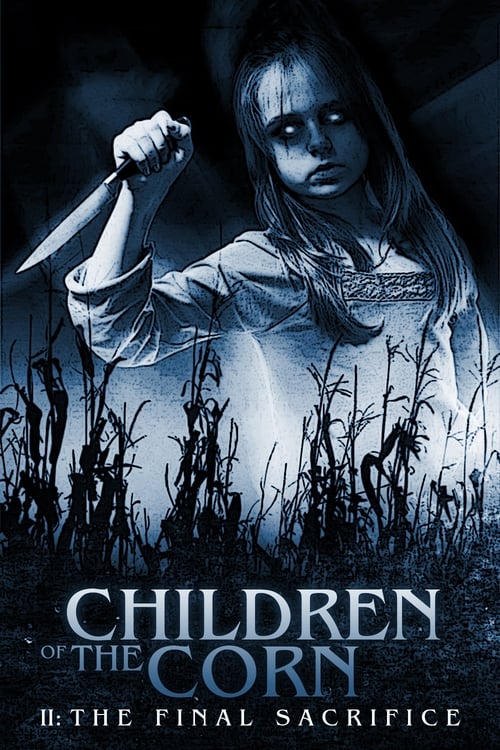
Children of the Corn II: The Final Sacrifice is a typical genre piece focused on supernatural suspense rather than social complexity. The film adheres to the traditional horror frameworks of the early 1990s, emphasizing the clash between authority and a rebellious youth group. The narrative lacks diversity, presenting a homogeneous social environment that aligns with the rural, small-town setting. It relies on well-known clichés without delving into identity or challenging systemic power structures. Ultimately, the film studies social disorder through the lens of a child cult, offering limited progressive representation or diverse viewpoints.
Category Breakdown
The film does not include any LGBTQ+ characters or explore non-straight identities. The story centers around characters who fit within a traditional straight relationship framework.
Gender roles in the film follow typical 1990s horror conventions, emphasizing male-driven action. The movie upholds traditional social hierarchies without questioning them.
The setting and casting reflect a predominantly white, Anglo-centric Midwestern population. There is a lack of diverse casting and non-white central characters.
The story examines the collapse of the family unit through a cult’s devotion to a supernatural entity. It portrays religious extremism as a source of fear.
There are no significant portrayals of characters with visible or invisible disabilities. The narrative does not center on neurodivergence or physical disability issues.
Present on Screen
Limited or Absent
Official Synopsis
When a tabloid reporter and his son travel to a quiet Midwestern town to investigate a gruesome massacre, they fall victim to a possessed orphan named Micah.
1996
1971
1984
1985
1998
1992
2013
1990
No reviews yet. Be the first to share your thoughts on this movie!
Use the rating form above to leave a star rating and optional review.