
Boyhood
2014
No user ratings available yet
Representation score: 6.4 out of 10

Representation Score
Good
2013
RDirector
David Siegel, Scott McGehee
Runtime
99 minutes
Average Rating
No ratings yetNew Showbiz Analysis
What Maisie Knew stands out by breaking down the traditional nuclear family in favor of more adaptable structures. By presenting a stable queer household as a source of stability amid chaotic, wealthy parents, the film offers a nuanced view of identity and care. The film's strength lies in its exploration of how chosen families and unconventional social arrangements can provide essential support for a child's growth. However, its focus on a specific socioeconomic class limits the scope of its racial and ethnic exploration.
Category Breakdown
The film showcases a stable, long-term relationship between Susanna and Grace, providing a secure emotional haven for the main character during family turmoil.
The film challenges traditional gender roles by depicting an emotionally detached mother and an absent father. Susanna emerges as the primary source of emotional and intellectual support.
Set in New York City, the film includes a diverse cast that reflects the city's demographics. While the main storyline focuses on a particular social class, secondary characters help avoid a monolithic portrayal.
The film questions the traditional nuclear family structure and the moral implications of extreme wealth. It highlights the importance of chosen family units over biological ties.
The film does not specifically address visible or invisible disabilities.
Present on Screen
Limited or Absent
Official Synopsis
In New York City, a young girl is caught in the middle of her parents' bitter custody battle.
2014

2018

2002

2008

2013

2018
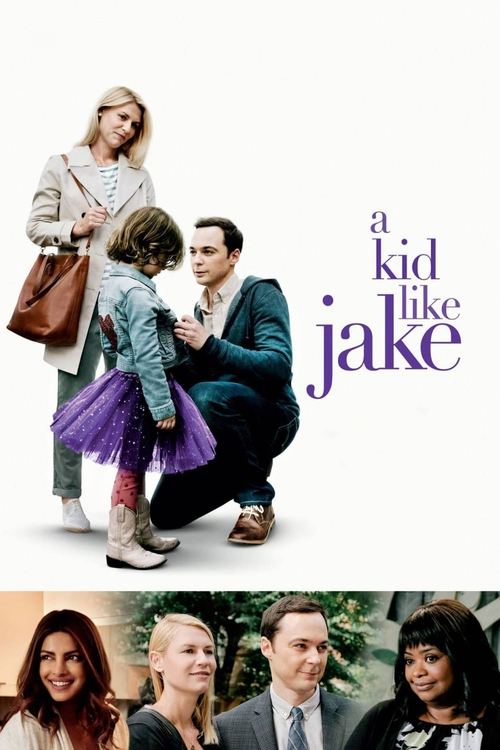
2018

2014
No reviews yet. Be the first to share your thoughts on this movie!
Use the rating form above to leave a star rating and optional review.