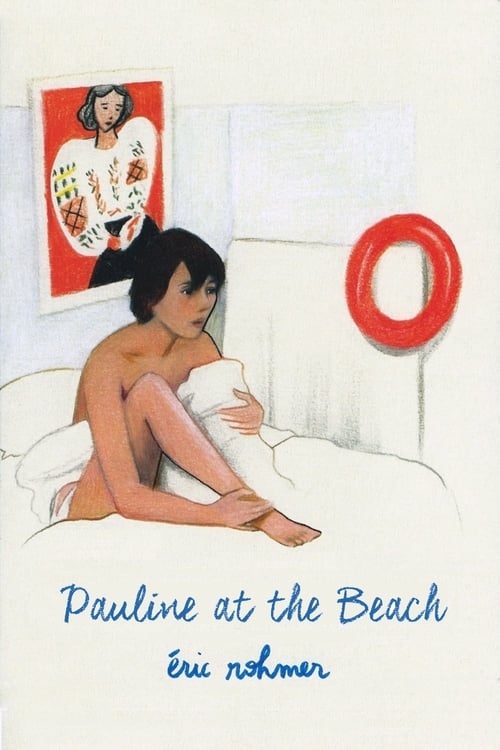
Pauline at the Beach
1983
No user ratings available yet
Representation score: 3.0 out of 10

Representation Score
Limited
1980
PGDirector
Claude Pinoteau
Runtime
110 minutes
Average Rating
No ratings yetNew Showbiz Analysis
The film presents a realistic depiction of familial transitions and adolescent development within the context of 1980s France. While it offers a detailed look at the breakdown of the traditional nuclear family, it lacks the multi-layered complexity found in more progressive works. The narrative structure remains centered on a homogeneous framework, prioritizing localized, character-driven drama over any subversion of established social hierarchies.
Category Breakdown
The film focuses on adolescent romantic discovery and conventional heterosexual relationships without including any characters with diverse sexual orientations or gender identities.
Female characters face complex emotional and social challenges. However, the film upholds traditional gender roles without challenging the existing gender hierarchy.
The story unfolds in a highly homogeneous Parisian setting, reflecting a culturally uniform middle-class demographic without exploring racial diversity.
The plot revolves around the dissolution of the traditional family unit through divorce, functioning as a comedy of manners focused on bourgeois decorum rather than a critique of institutions.
There are no characters with visible or invisible disabilities, and disability is not used as a theme or tool for character development.
Present on Screen
Limited or Absent
Official Synopsis
A thirteen-year-old French girl deals with moving to a new city and school in Paris, while at the same time her parents are getting a divorce.
1983

2014

1974

2023

1982

2009

1978

1988
No reviews yet. Be the first to share your thoughts on this movie!
Use the rating form above to leave a star rating and optional review.