
Loveless
2017
No user ratings available yet
Representation score: 5.9 out of 10
Representation Score
Limited
2016
Director
Joachim Lafosse
Runtime
98 minutes
Average Rating
No ratings yetNew Showbiz Analysis
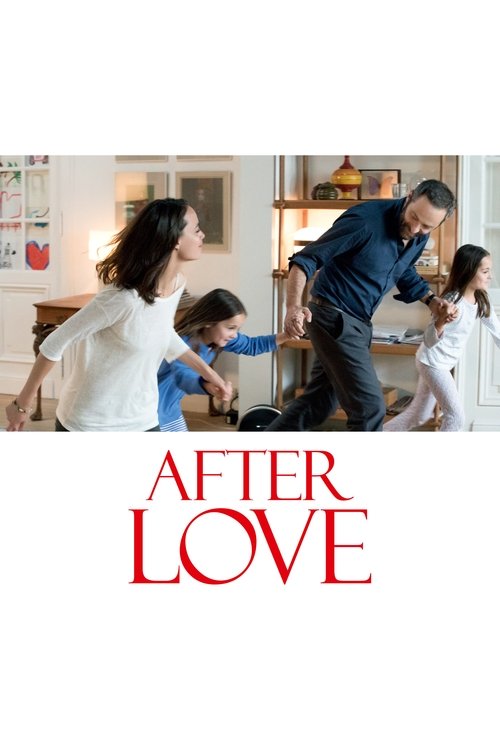
After Love is a realist domestic drama that emphasizes psychological depth and the practical challenges of divorce over broad demographic representation. It successfully challenges traditional gender roles by depicting a financially unstable male protagonist, moving away from the 'stable provider' stereotype. However, the film remains socially narrow. It focuses on a homogeneous, white, middle-class European context and lacks any representation of LGBTQ+ identities or diverse ethnic backgrounds. The narrative scope is confined to a singular cultural and straight-centered framework. Ultimately, the film's strength lies in its secular, postmodern view of the family. It portrays the domestic unit as a site of tension and economic struggle rather than a sacred institution, though this comes at the expense of multi-layered visibility.
Category Breakdown
The film focuses solely on heterosexual relationships and traditional gender identities. There are no characters with LGBTQ+ identities or queer relationship dynamics.
The narrative explores gendered emotional labor by showing the male protagonist's financial and emotional instability. It avoids simplistic clichés by depicting his vulnerability and lack of financial security.
The film depicts a homogeneous, white, middle-class European population. It focuses on a specific socio-economic reality in France without including diverse ethnic backgrounds.
The story challenges traditional views of the family by portraying marriage breakdown as a result of desire and economic pressures. It avoids a single, traditional moral perspective.
There are no visible or invisible disabilities portrayed in the main character arcs. No characters use disability as part of the narrative.
Present on Screen
Limited or Absent
Official Synopsis
Marie and Boris decide to get a divorce after 15 years of marriage. Tensions rise when cash-strapped Boris must continue to live with Marie and the two children while trying to figure out how to divide the assets.
2017

1974

2016

2016

2004

2016

2002
2014
No reviews yet. Be the first to share your thoughts on this movie!
Use the rating form above to leave a star rating and optional review.