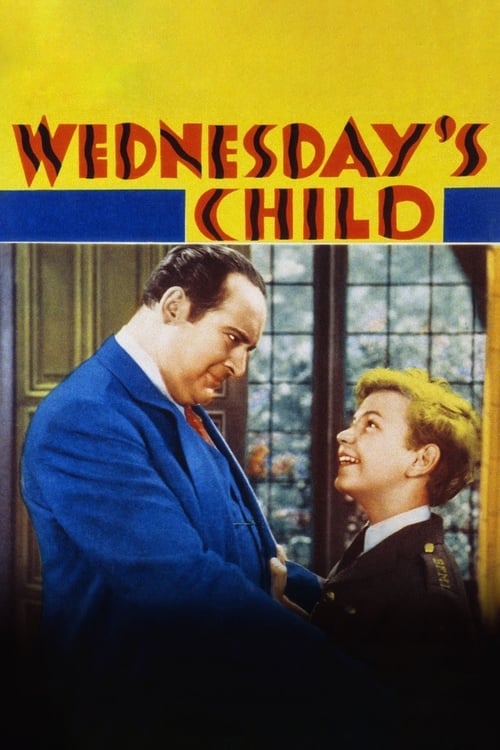
Wednesday's Child
1934
No user ratings available yet
Representation score: 1.1 out of 10
Representation Score
Minimal
1950
Director
Henry Cass
Runtime
89 minutes
Average Rating
No ratings yetNew Showbiz Analysis
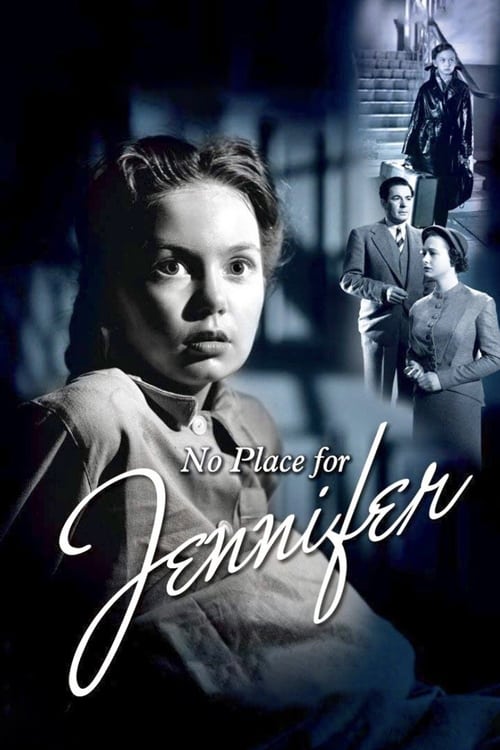
No Place for Jennifer is a mid-century domestic drama that adheres strictly to the social and moral frameworks of 1950. The story centers on the psychological trauma of a child navigating her parents' divorce and subsequent remarriages. The film operates within a conventional, homogeneous context. It lacks engagement with the way different parts of someone's identity overlap, focusing instead on the restructuring of a standard nuclear family unit. Ultimately, the work serves as a period piece that reflects the era's traditional hierarchies and limited representation of diverse social groups.
Category Breakdown
The film focuses on the dissolution of a traditional nuclear family. There is no evidence of non-straight identities, reflecting the assumption that everyone is straight or cisgender.
The story centers on a young girl's emotional journey through family trauma. However, female roles likely remain confined to domestic or relational spheres typical of the era.
The production appears to reflect the demographic homogeneity of mid-century Western cinema. There is no indication of a diverse or non-Anglo-Saxon cast.
The narrative explores the breakdown of family stability through a lens of moral consequence. It prioritizes established social mores rather than systemic or secular critiques.
There is no mention of characters with visible or invisible disabilities within the narrative.
Present on Screen
Limited or Absent
Official Synopsis
A young girl goes through the trauma of her parent's divorce and seperate re-marriages.
1934

1980
1946

1950
1934
2002
1953

1957
No reviews yet. Be the first to share your thoughts on this movie!
Use the rating form above to leave a star rating and optional review.