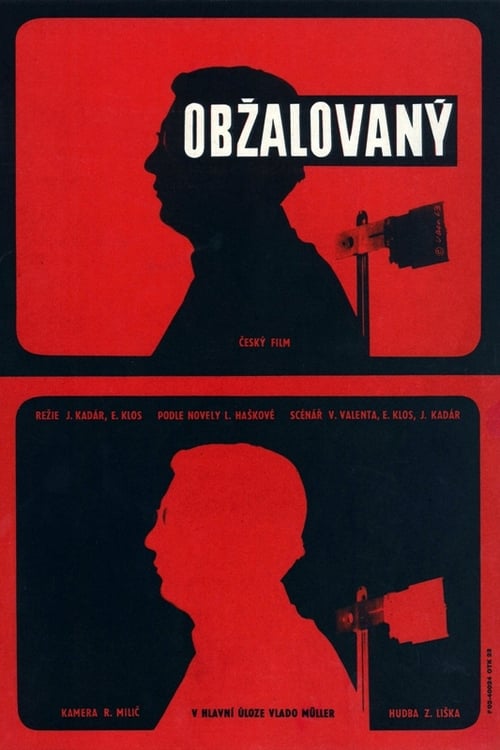
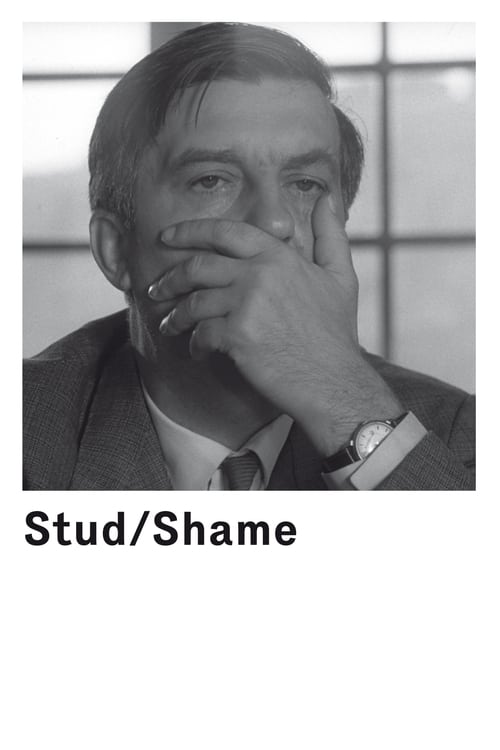
Defendant
1964
No user ratings available yet
Representation score: 5.2 out of 10
Representation Score
Fair
1968
Director
Ladislav Helge
Runtime
101 minutes
Average Rating
No ratings yetNew Showbiz Analysis
Stud is a socio-political drama that prioritizes institutional critique over identity-based representation. The plot revolves around the legal and moral tensions between a high-ranking official and his protégé amid accusations of fraud and crime. While the film lacks significant markers of LGBTQ+, racial, or gendered ability to act, it excels in exploring systemic power through a rural setting. Ultimately, the film reflects the complex political landscape of late-1960s Eastern European cinema, emphasizing social realism and the questioning of institutional stability.
Category Breakdown
The film does not include any queer narratives or representations of non-straight identities. It focuses on institutional conflicts and legal issues in a rural setting.
The story centers on a male-dominated hierarchy involving two chairmen. Female characters appear mainly as victims of crime, serving as catalysts for male conflict rather than having their own choices.
The narrative operates within a culturally homogeneous framework centered on a local village. It lacks diverse ethnic casting and focuses on regional realism.
The film explores the tension between individual ability to act and institutional power structures through social realism. It delves into the deconstruction of institutional authority and systemic legality.
There is no mention of characters dealing with physical, sensory, or neurodivergent conditions within the narrative.
Present on Screen
Limited or Absent
Official Synopsis
The drama offers Arnošt Pánek, chairman of the National Committee, as the protagonist of the story. Pánek is disturbed by news of the arrest of his protégé Kvasil – chairman of a JZD agricultural cooperative in the nearby village of Spádová. He is responsible for the revival of a neglected village, but is now accused of theft, fraud, and – on top of that – the rape of an under-aged girl.
1964
1985

1963

1964
1978
1967
1957
2002
No reviews yet. Be the first to share your thoughts on this movie!
Use the rating form above to leave a star rating and optional review.