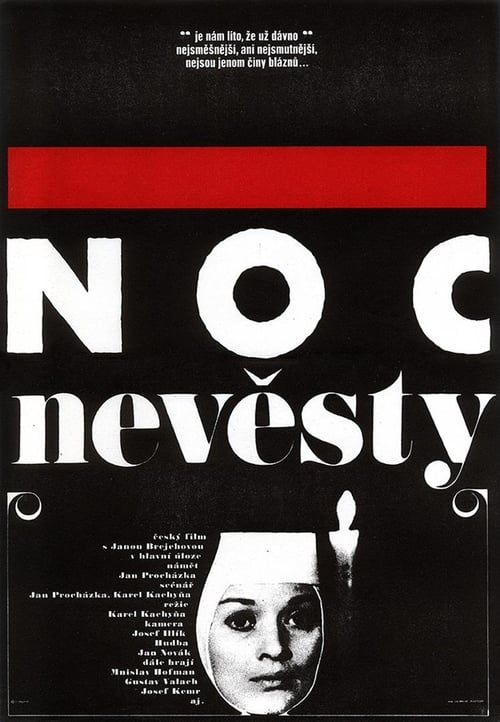
The Nun's Night
1967
No user ratings available yet
Diversity score: 4.9 out of 10
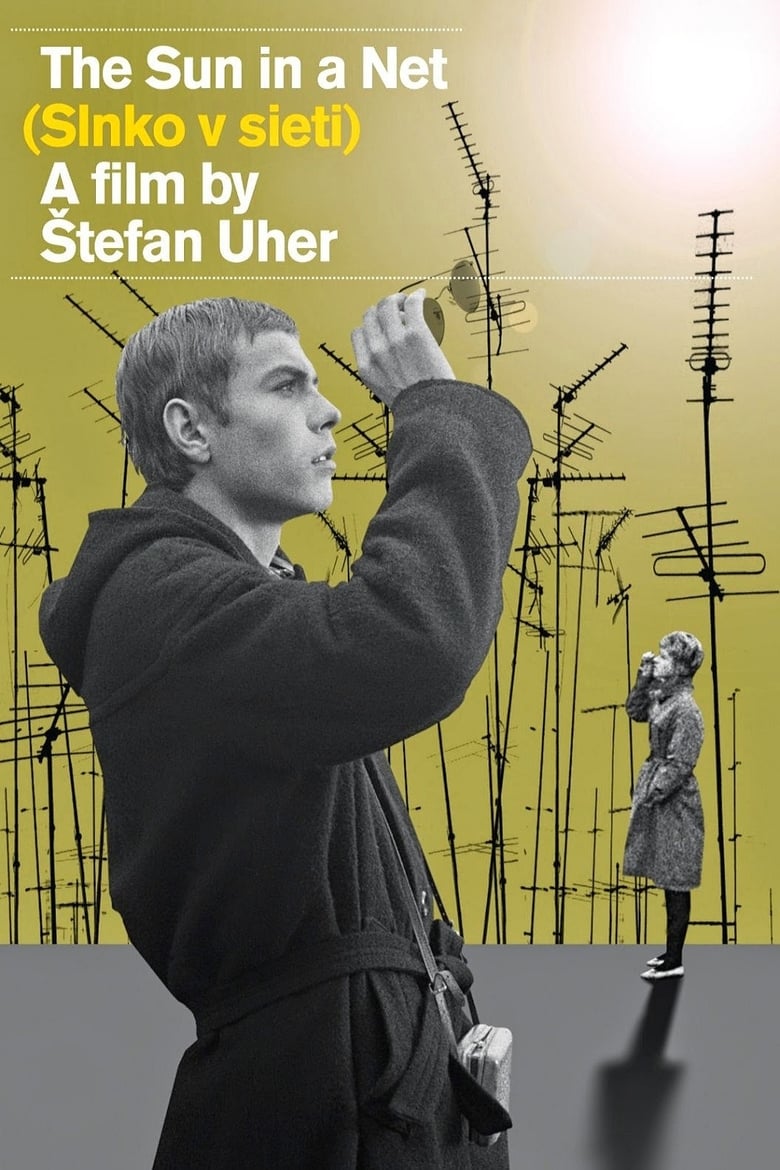
1963
Director
Štefan Uher
Runtime
90 minutes
Average Rating
No ratings yetSynopsis
Oldrich "Fajolo" Fajták (Marián Bielik), a student who directs quasi-existentialist verbal abuse at his girlfriend Bela Blazejová (Jana Beláková), takes off to a formally volunteer summer work camp at a farm where he meets her grandfather.
Overall Score
Fair
Category Breakdown
LGBTQ+ Representation
The narrative centers on a romantic relationship between Oldrich and Bela. There is no explicit evidence of queer identities or non-cisnormative expressions within the provided context.
Gender Representation
The film subverts traditional tropes by presenting a volatile, intellectually performative masculinity. The friction between characters suggests a departure from idealized, submissive feminine roles.
Racial & Ethnic Diversity
Reflecting the demographic homogeneity of the 1963 Eastern Bloc, the film lacks evidence of racial blending. The cast remains consistent with the historical and geographic context.
Religious & Cultural Diversity
The film prioritizes subjective morality and existentialist inquiry over state-sanctioned frameworks. It explores individual truth through the lens of a student's internal psychological friction.
Disability Representation
There is no mention of characters navigating physical, neurodivergent, or mental health disabilities in the available synopsis.
Strengths
Areas for Improvement
AI Analysis
Štefan Uher’s work reflects the Czechoslovak New Wave's shift toward psychological depth and individual subjectivity. The film moves away from socialist realism to explore complex, often abrasive, interpersonal power dynamics. While the film excels at deconstructing traditional gender hierarchies and institutional authority, it is limited by the demographic homogeneity of its era. The focus remains on existentialist themes rather than broad social representation. Ultimately, the film is a study of individual identity and secular morality, prioritizing the internal struggles of its protagonists over diverse social demographics.
1967
2022

1983
1957

1967
1973
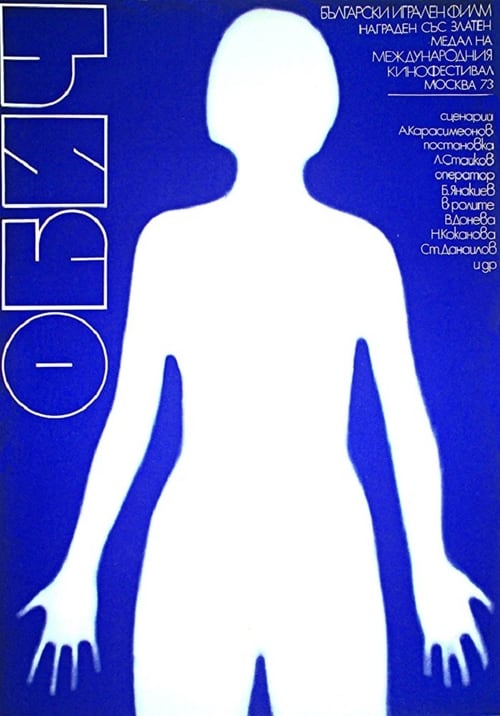
1972

1972
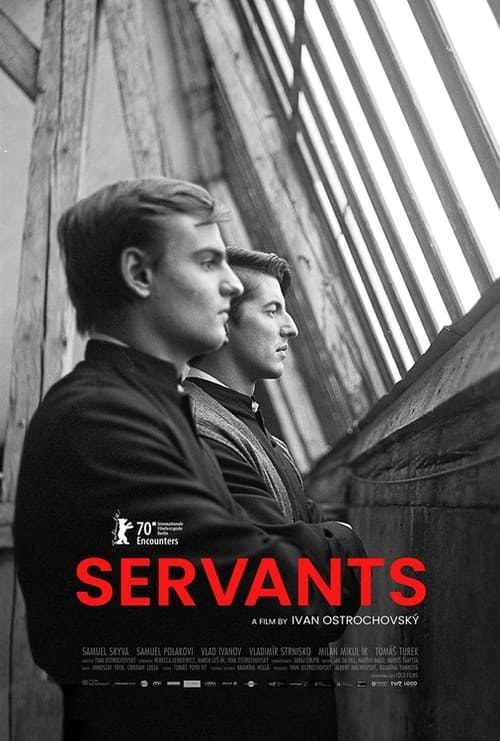
2020

2022
1982
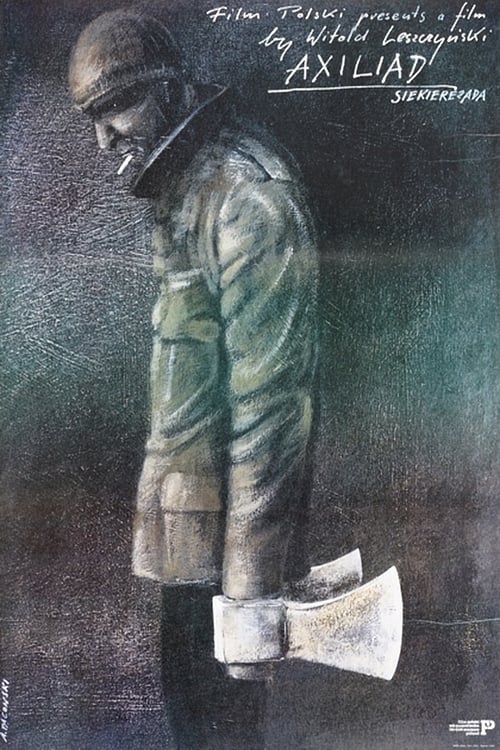
1986
No reviews yet. Be the first to share your thoughts on this movie!
Use the rating form above to leave a star rating and optional review.