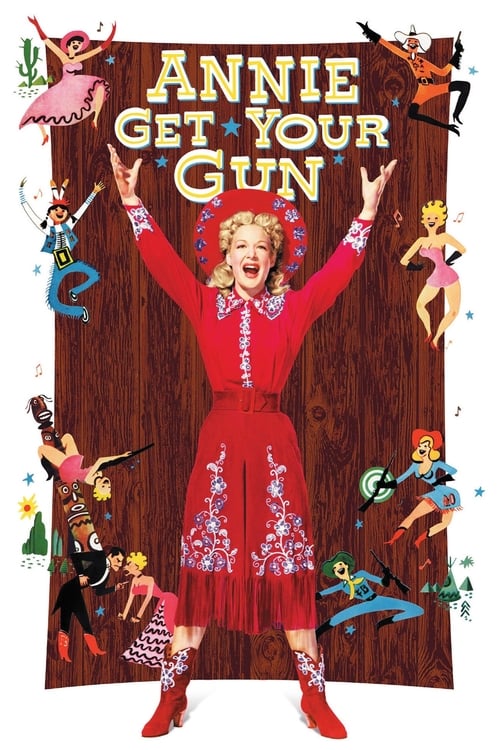
Annie Get Your Gun
1950
No user ratings available yet
Representation score: 2.4 out of 10
Representation Score
Fair
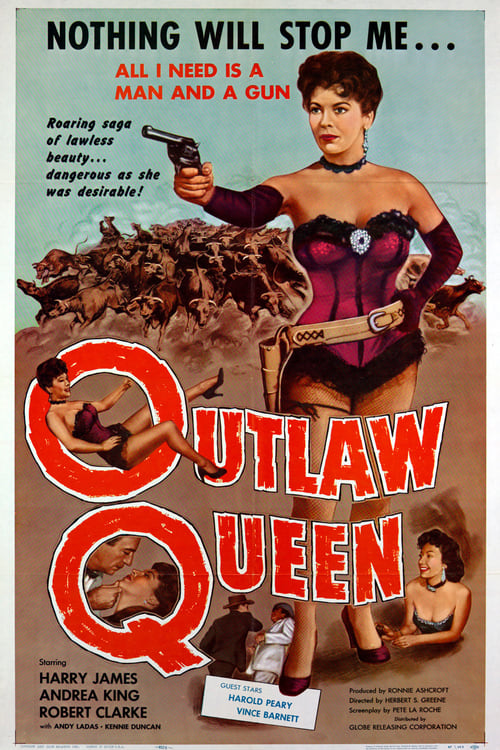
1957
ApprovedDirector
Herbert S. Greene
Runtime
70 minutes
Average Rating
No ratings yetNew Showbiz Analysis
Outlaw Queen challenges traditional gendered power dynamics within the context of 1950s society. By highlighting a woman who rejects the domestic roles of the era, the film showcases her autonomy and tactical leadership. However, the film's racial representation is limited, focusing on social values rather than ethnic diversity. Additionally, it does not explore queer identity or provide deep critiques of Western institutions. Ultimately, the film successfully disrupts patriarchal constraints through its protagonist's competence, while still adhering to the broader social norms of its time.
Category Breakdown
The film features a protagonist who adopts masculine attire for survival, disrupting traditional gender presentations. However, it does not include explicit depictions of queer identity or same-sex relationships.
Christina defies the gender norms of the 1950s by rejecting domestic roles and embracing autonomy. She demonstrates intellectual and physical prowess, asserting herself in a traditionally male-dominated environment.
The cast primarily consists of white actors, reflecting the homogeneous casting practices of 1957. The protagonist has Greek immigrant heritage, but the film lacks significant ethnic diversity.
The story subtly critiques rigid social structures through the protagonist's rebellion. However, it remains within the Western genre conventions and does not delve deeply into systemic or institutional critiques.
There are no prominent depictions of physical or cognitive disabilities. Characters are defined by their social status and specific skills, such as trick-shot artistry.
Present on Screen
Limited or Absent
Official Synopsis
Christina, the daughter of a Greek-immigrant family who does not share their belief that a woman's place is with her husband at the fireside, is a trick-shot artist. With her Uncle Jim, a strolling troubadour, and his sidekick Andy, a mandolin player, heads west to make her fortune.
1950
1953
1945
1954
1968
1955
1948

1965
No reviews yet. Be the first to share your thoughts on this movie!
Use the rating form above to leave a star rating and optional review.