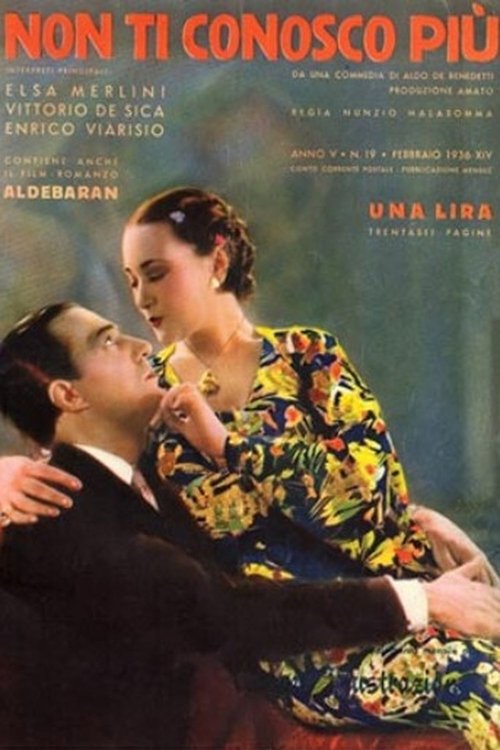
I Don't Know You Anymore
1936
No user ratings available yet
Representation score: 2.9 out of 10
Representation Score
Minimal
1955
Not RatedDirector
Sidney Gilliat
Runtime
88 minutes
Average Rating
No ratings yetNew Showbiz Analysis
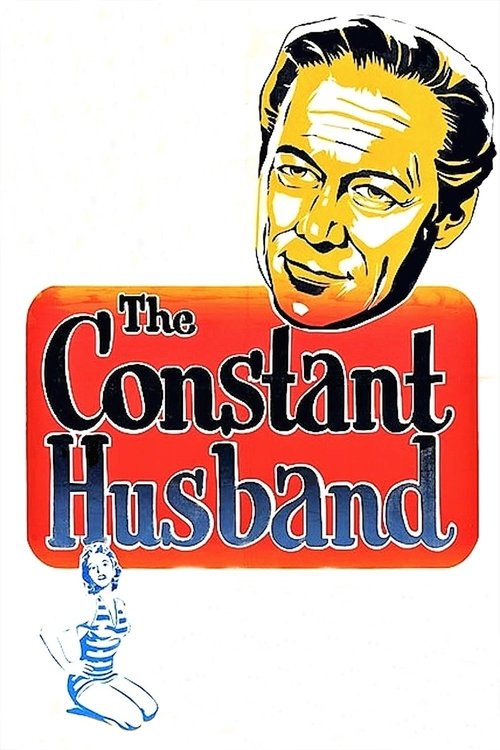
The Constant Husband is a typical mid-century British domestic comedy that prioritizes light-hearted entertainment over social disruption. The film adheres to a conventional framework, focusing on the intricacies of middle-class marriage and social etiquette. While the plot includes a degree of female empowerment through a complex practical joke, it does not fundamentally challenge traditional gender hierarchies. Instead, it uses these dynamics as comedic devices within a traditional setting. Overall, the film lacks depth in representing diverse identities. It reflects the demographic homogeneity and rigid social structures of 1950s Britain, offering no significant representation of diverse racial, cultural, or LGBTQ+ identities.
Category Breakdown
The film focuses solely on heterosexual relationships and does not include any representation of LGBTQ+ identities or same-sex intimacy.
The story uses a 'battle of the sexes' cliché, where a wife uses a practical joke to exert some control, but the plot ultimately upholds traditional gender roles.
The cast and setting are predominantly white, reflecting the demographic norms of post-war British cinema. There are no characters from diverse racial or ethnic backgrounds.
The film emphasizes Western middle-class values and the stability of the nuclear family. It explores everyday social life without challenging institutional norms.
There is no portrayal of visible or invisible disabilities in the story.
Present on Screen
Limited or Absent
Official Synopsis
Charles Hathaway wakes up in West Wales with no recollection of who he is or how he got there. With the help of a Cardiff specialist he traces his life back to his gorgeous wife and their large London house, so all seems well with the world. But more detective work starts to uncover an alarming chain of further stunning wives and a way of going on that the new Charles finds pretty unacceptable.
1936
1944
1930

1940
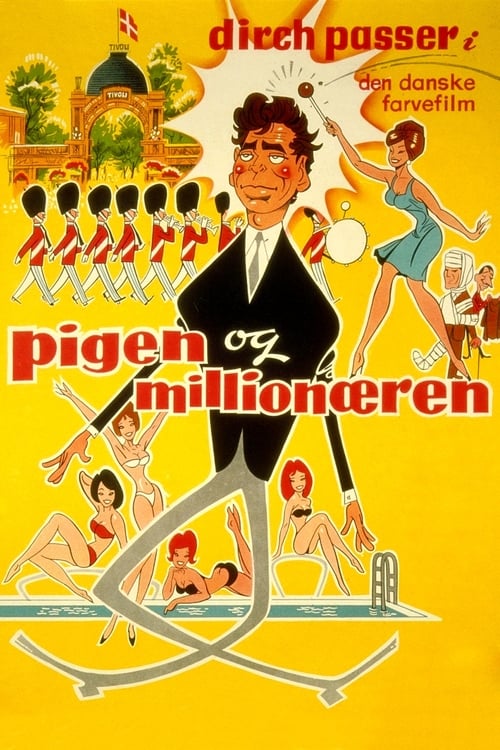
1965
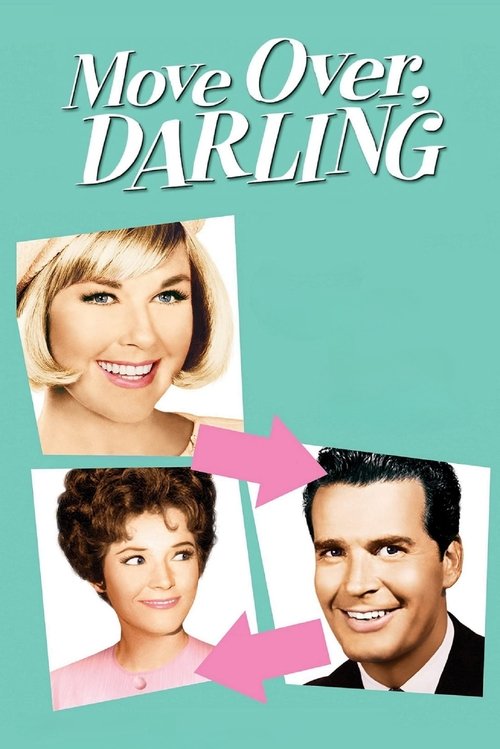
1963
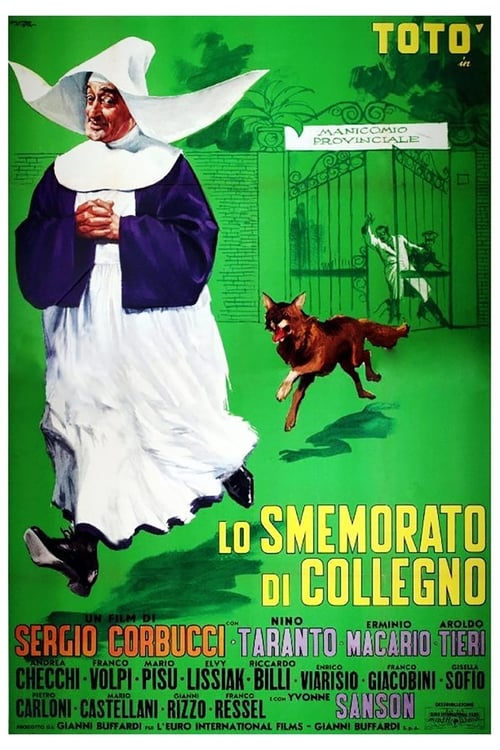
1962
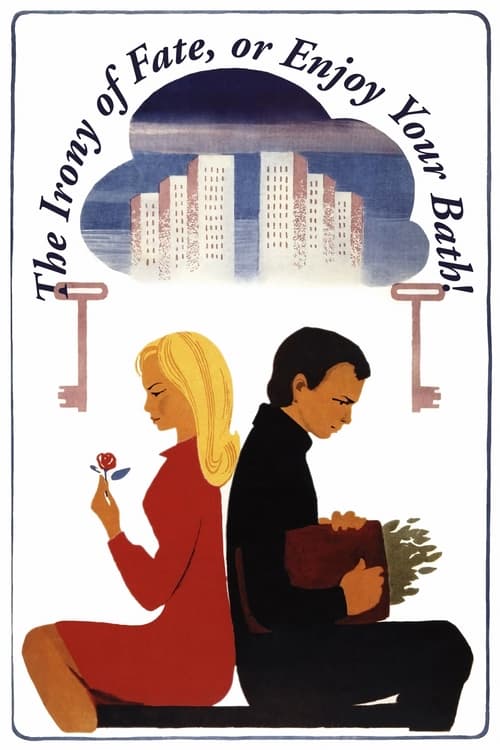
1976
No reviews yet. Be the first to share your thoughts on this movie!
Use the rating form above to leave a star rating and optional review.