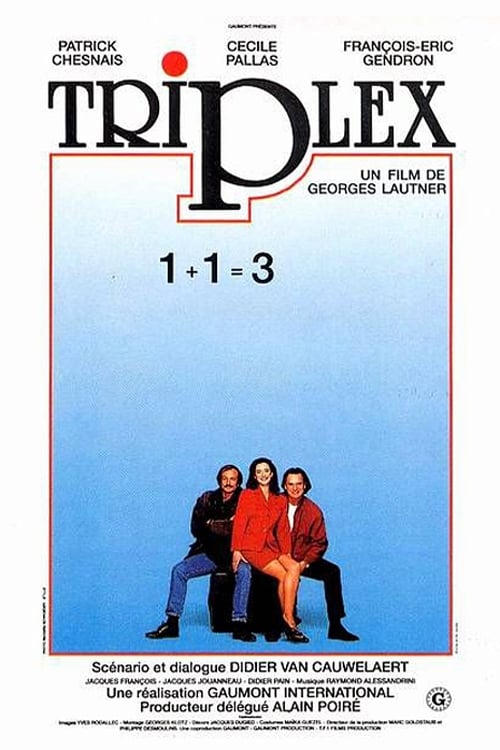
Triplex
1991
No user ratings available yet
Representation score: 3.8 out of 10
Representation Score
Limited
1983
PG-13Director
Georges Lautner
Runtime
110 minutes
Average Rating
No ratings yetNew Showbiz Analysis
My Other Husband presents a moderate challenge to social norms through the actions of its main character. The film's strength lies in its portrayal of a woman who defies traditional expectations of domesticity and maintains control over her life. However, the film remains anchored in a traditional heterosexual framework and reflects the demographic homogeneity typical of early 1980s European cinema. It focuses on situational ethics and character-driven comedy without delving into broader critiques of systemic power dynamics.
Category Breakdown
The film centers on marital infidelity and polygamous social structures within a traditional heterosexual framework. It does not explore non-binary gender identities or sexual orientations.
The protagonist actively navigates complex social and legal structures while maintaining two simultaneous marriages. She demonstrates significant control over her life and the story, challenging the passive female stereotype.
Produced in 1983, the film likely reflects the limited diversity of Western European cinema from that time. There is little indication of diverse casting or varied cultural backgrounds.
The narrative questions the sanctity of marriage through situational ethics and character-driven comedy. It does not provide a broader critique of institutional power structures.
There are no characters with visible or invisible disabilities featured in the film.
Present on Screen
Limited or Absent
Official Synopsis
A woman leaves her husband and marries another man without divorcing the first.
1991

1995

1984
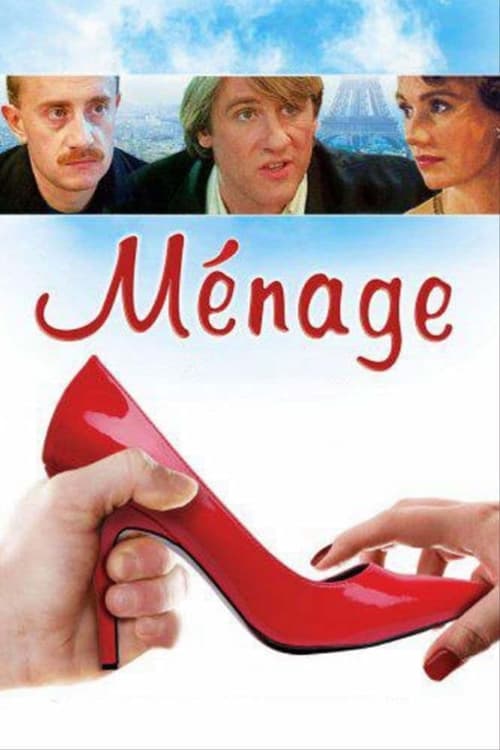
1986
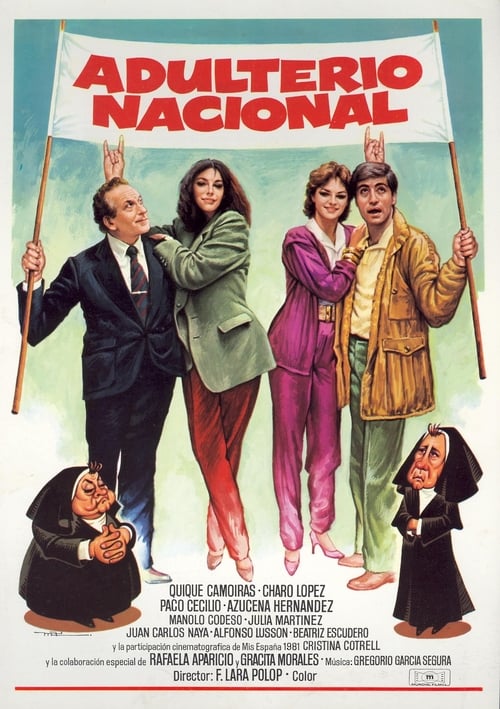
1982
1972
1982

2017
No reviews yet. Be the first to share your thoughts on this movie!
Use the rating form above to leave a star rating and optional review.