A Man for My Wife
1943
No user ratings available yet
Representation score: 1.7 out of 10
Representation Score
Minimal
1952
(Banned)Director
Roger von Norman
Runtime
85 minutes
Average Rating
No ratings yetNew Showbiz Analysis
This 1952 comedy is a product of its era, adhering strictly to the social and demographic norms of post-war European cinema. The narrative is built around a deceptive marriage cliché that ultimately reinforces traditional domestic stability rather than challenging it. The film lacks depth in representing diverse identities, presenting a homogeneous cast and a plot centered on heterosexual romantic complications. While the comedic premise of 'partner-swapping' hints at minor social disruption, the story's resolution seeks to restore conventional marital legitimacy. Ultimately, the film functions as a localized, regional comedy that offers minimal representation of diverse identities, focusing instead on established social hierarchies and traditional romantic structures.
Category Breakdown
The film does not include any explicit references to LGBTQ+ identities or non-straight relationships. The plot revolves around traditional romantic relationships and heterosexual marriages.
The story relies on gender stereotypes, such as portraying a woman as a wife. Although Monika shows some emotional independence, the plot upholds conventional domestic roles.
The setting and cast seem to reflect the demographic uniformity of 1950s Europe. There are no indications of a multi-ethnic cast or non-white characters.
The narrative operates within traditional Western social structures centered on the nuclear family. It prioritizes restoring social order over any institutional critique.
No characters are identified as having visible or invisible disabilities. There is no information available to assess representation in this category.
Present on Screen
Limited or Absent
Official Synopsis
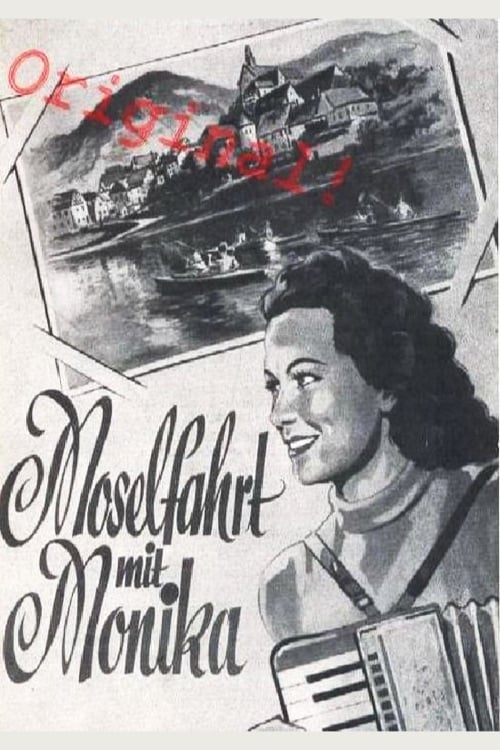
Heiner and his friend Florian go canoeing on the river Mosel. With them is Monika, Heiner's sister, as Heiner's wife hasn't got time to be with them. But as a joke, Heiner passes Monika off as his wife, and while Monika likes the conceit initially, it becomes a problem when she falls in love with Florian who however wants to remain loyal to his friend. Things get complicated when the trio meet Susanne and Tilo, another canoeing couple, and when finally Heiner's wife Nora arrives, too. Soon quite a bit of partner-swapping seems imminent...
1943
1955
1940

1967
1936

1972
1944
1959
No reviews yet. Be the first to share your thoughts on this movie!
Use the rating form above to leave a star rating and optional review.