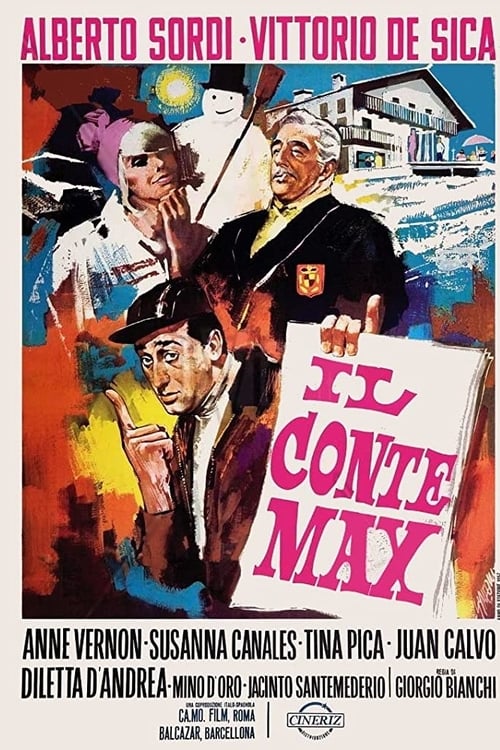
Il conte Max
1957
No user ratings available yet
Diversity score: 2.9 out of 10
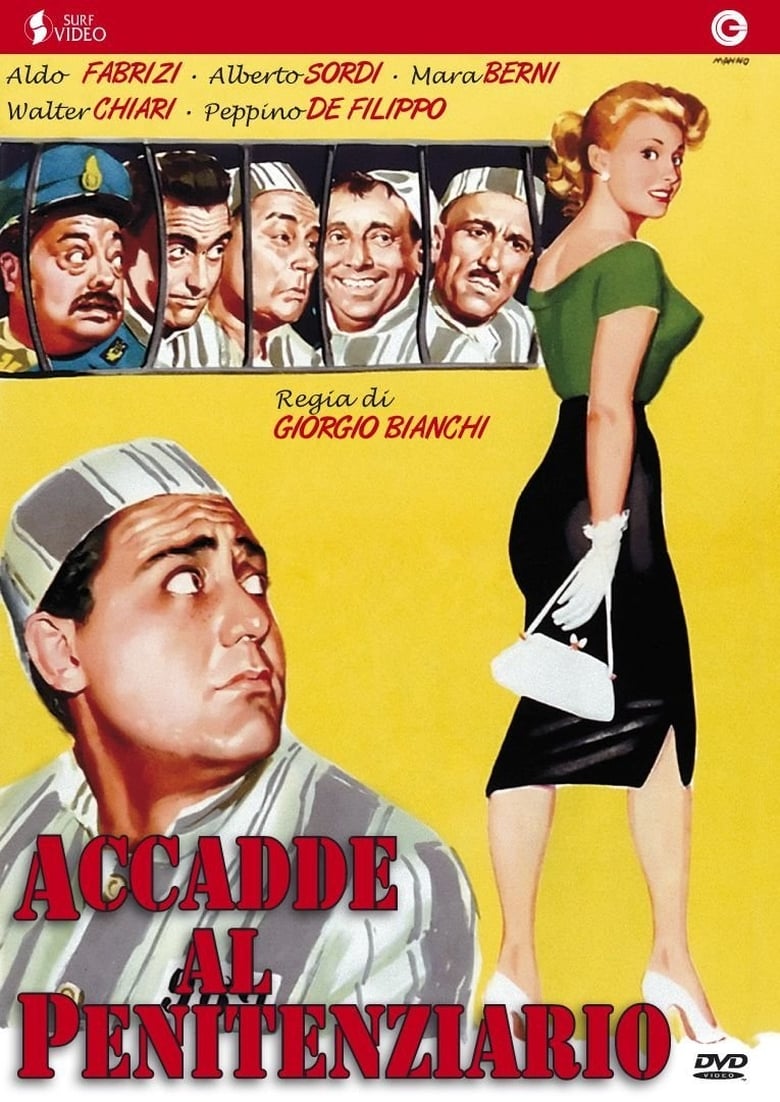
1955
Director
Giorgio Bianchi
Runtime
91 minutes
Average Rating
No ratings yetSynopsis
A prison warden keeps a diary in which he writes about the convicts he meets and their lives.
Overall Score
Limited
Category Breakdown
LGBTQ+ Representation
The film lacks any evidence of non-cisnormative identities or same-sex intimacy. It adheres to the heteronormative social structures typical of 1955 Italian comedy.
Gender Representation
The narrative centers on a male warden and his observations of convicts. This suggests a male-dominated environment where female agency remains peripheral or traditional.
Racial & Ethnic Diversity
Casting likely reflects the demographic homogeneity of mid-century Italy. There is no indication of diverse or non-white majority casts within this localized setting.
Religious & Cultural Diversity
The story focuses on institutional order and state-sanctioned morality. It lacks any evidence of anti-Western or anti-capitalist sentiment, prioritizing social hierarchies.
Disability Representation
No specific characters are identified as having disabilities. Any physical or mental states present appear to be circumstantial to the prison setting rather than central.
Strengths
Areas for Improvement
AI Analysis
This 1955 comedy functions as a standard product of its era, reflecting the demographic and social norms of mid-century Italian cinema. The narrative architecture prioritizes institutional stability and conventional roles over any subversion of power dynamics. The film's focus on a prison warden and his diary suggests a preoccupation with authority and male-dominated spaces. This framework reinforces traditional hierarchies rather than exploring intersectional or diverse perspectives. Ultimately, the work maintains the cultural and social status quo of the 1950s, offering little in the way of representation for marginalized groups.
1957
1954
1944
1945
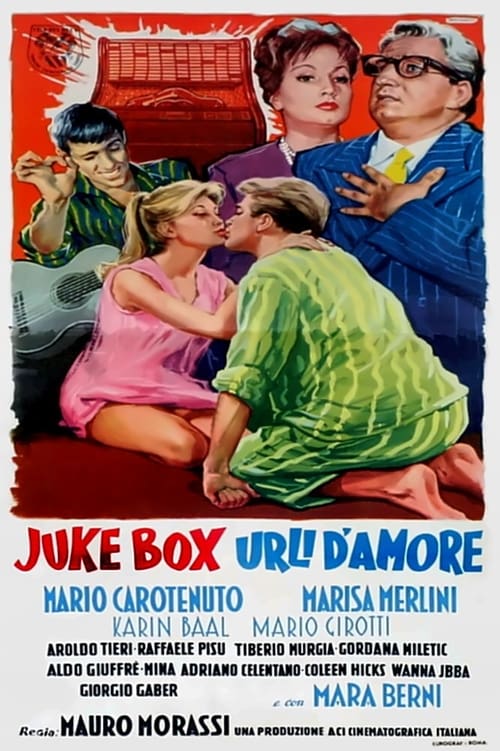
1959
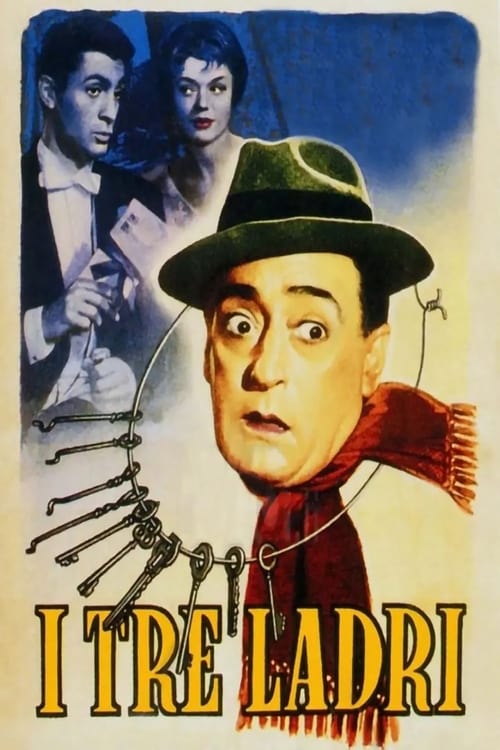
1954

2005
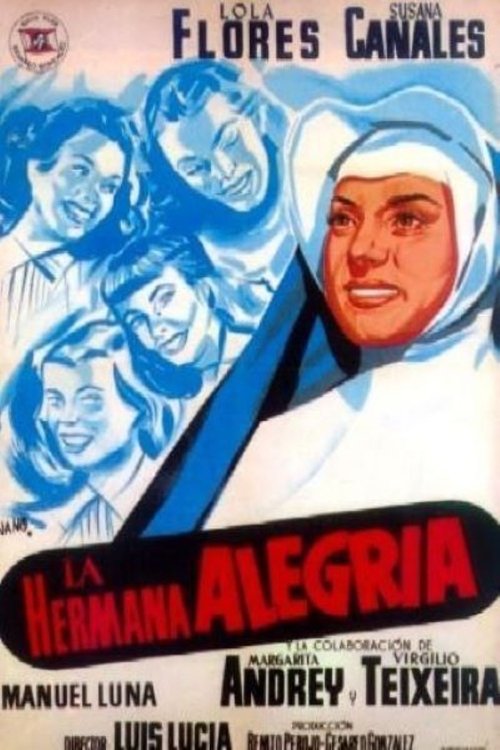
1955
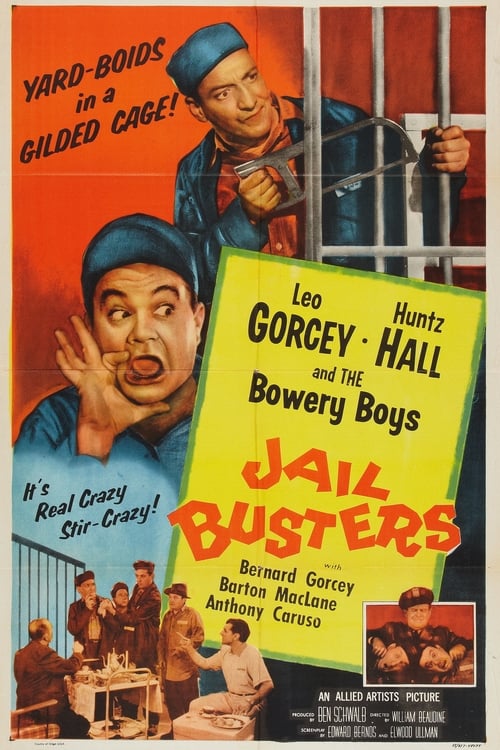
1955
1985
1927
1972
No reviews yet. Be the first to share your thoughts on this movie!
Use the rating form above to leave a star rating and optional review.