
Your Money or Your Wife
1960
No user ratings available yet
Representation score: 1.8 out of 10

Representation Score
Minimal
1963
ApprovedDirector
Mervyn LeRoy
Runtime
126 minutes
Average Rating
No ratings yetNew Showbiz Analysis
Mary, Mary is shaped by its time, focusing on individual psychology rather than broader social representation. While it delves into the parasocial relationship between women and media, it does not disrupt the social norms of the era. The film’s cast is predominantly white and British, reflecting the cultural homogeneity of 1960s Britain. It does not intentionally challenge the social norms of the time. Ultimately, the film serves as a character study of obsession. It provides some depth regarding female psychological states but falls short in offering meaningful diversity.
Category Breakdown
The film adheres to the conventions that assume everyone is straight or cisgender. It does not include visible depictions of non-binary gender identities or same-sex relationships.
The story emphasizes female-driven plot points and psychological depth. However, it does not explicitly challenge traditional gender roles or portray femininity as a source of empowerment.
The production features a primarily white, British cast. It reflects the demographic homogeneity and cultural constraints of 1960s London.
The film subtly critiques the consumerist culture of the 1960s through the lens of media consumption. It does not emphasize secular themes or depict traditional institutions as oppressive.
There are no identifiable portrayals of visible or invisible disabilities. No characters are utilized as plot devices related to neurodivergence or physical impairment.
Present on Screen
Limited or Absent
Official Synopsis
Sparks fly when a recently-divorced couple is forced to get together to sort out a tax matter.
1960
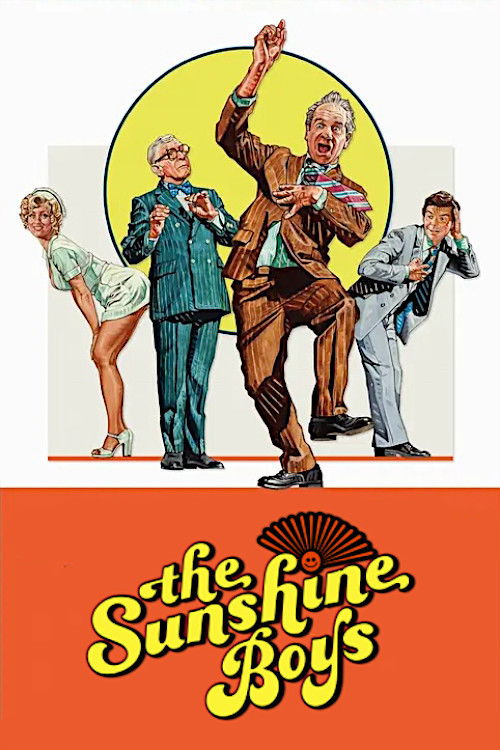
1975
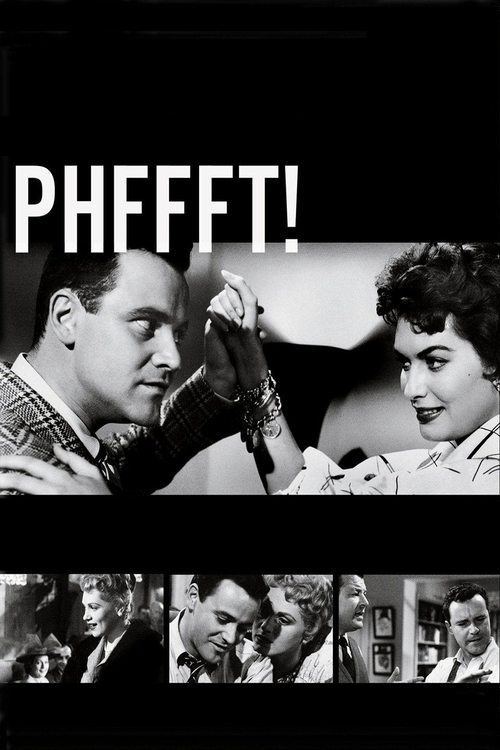
1954
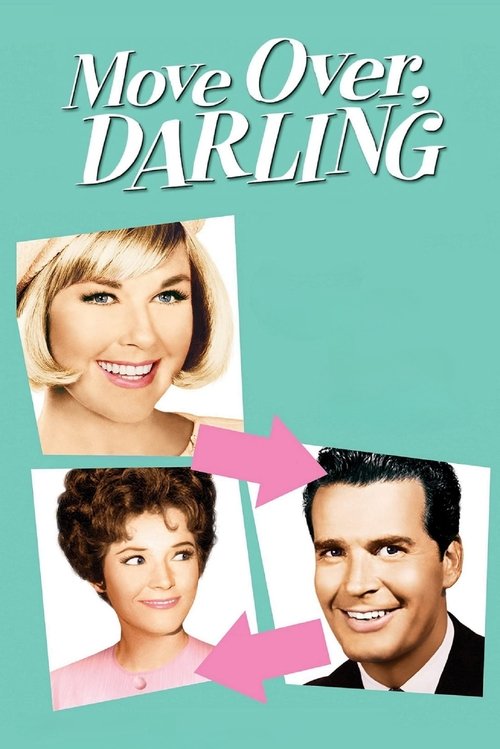
1963
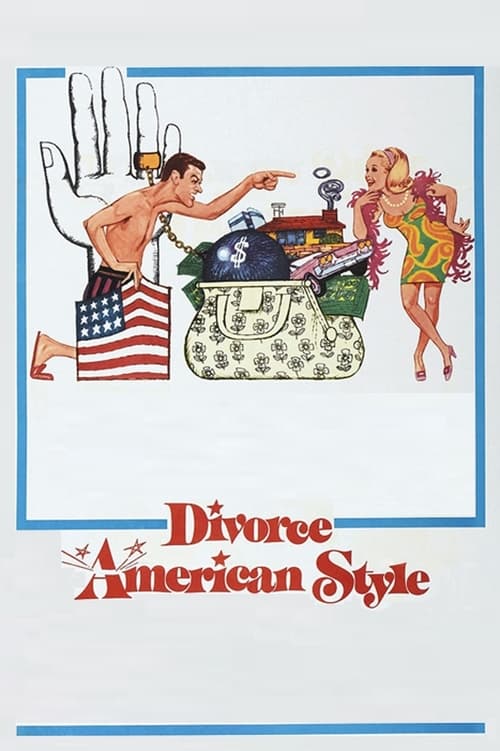
1967
1961
1965

1972
No reviews yet. Be the first to share your thoughts on this movie!
Use the rating form above to leave a star rating and optional review.