Lucky Kids
1936
No user ratings available yet
Representation score: 1.9 out of 10
Representation Score
Limited
1933
ApprovedDirector
Rian James
Runtime
72 minutes
Average Rating
No ratings yetNew Showbiz Analysis
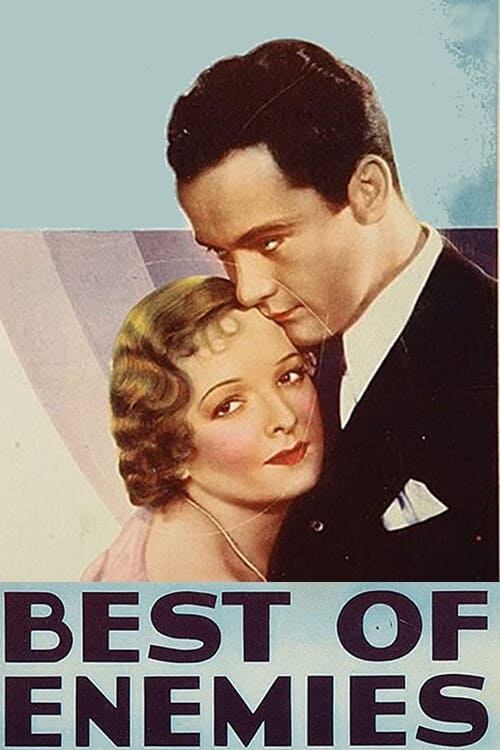
Best of Enemies is a period-specific genre piece that emphasizes romantic and comedic clichés. It relies on established social norms of the early 1930s rather than attempting to challenge them. The film’s primary layer of diversity comes from its focus on German-American heritage. However, this specificity is used to drive a comedic feud rather than to explore complex cultural intersections. Ultimately, the film lacks the depth or systemic critique necessary for a higher diversity rating, remaining firmly within the bounds of conventional early sound-era entertainment.
Category Breakdown
The film focuses on a typical romantic relationship between the main characters. There is no indication of non-straight or non-cisgender identities, nor does it challenge the assumption that everyone is straight or cisgender.
The story revolves around traditional romantic relationships. Male characters provide comic relief, but it is unclear if the female characters have significant influence over the plot.
The narrative explores German-American identity through internal conflicts. It does not integrate broader racial diversity or a wider range of ethnic backgrounds beyond this specific focus.
The film uses ethnic heritage primarily as a comedic element. It functions as a light-hearted social comedy rather than a critique of broader societal structures or institutions.
There is no mention of characters with visible or invisible disabilities in the available information.
Present on Screen
Limited or Absent
Official Synopsis
Buddy Rogers and Marian Nixon playing the grown children of feuding German-Americans Frank Morgan and Joseph Cawthorn. Romance blossoms between Rogers and Nixon, while Morgan and Cawthorn continue muttering Teutonic imprecations at one another.
1936

1933
1939
1935

1936

1937
1935

1928
No reviews yet. Be the first to share your thoughts on this movie!
Use the rating form above to leave a star rating and optional review.