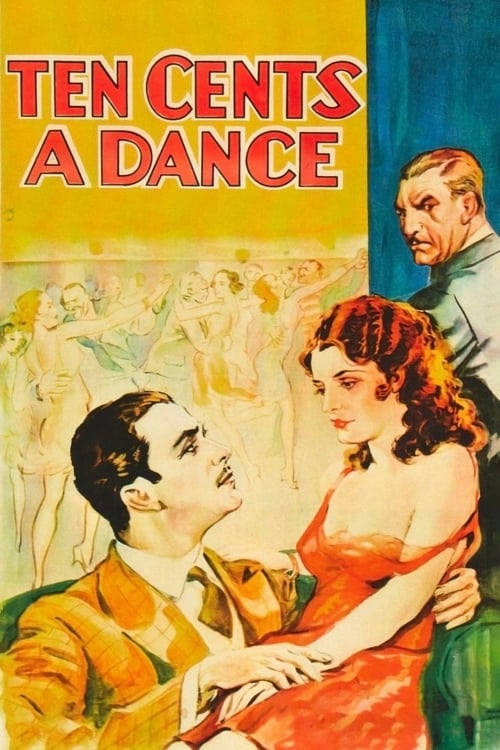
Ten Cents a Dance
1931
No user ratings available yet
Diversity score: 2.8 out of 10

1932
NRDirector
Nick Grindé
Runtime
66 minutes
Average Rating
No ratings yetSynopsis
A waitress falls for a wealthy young man but has to fight his mother to find happiness.
Overall Score
Limited
Category Breakdown
LGBTQ+ Representation
The film follows a traditional heteronormative romantic structure. There is no evidence of queer narratives or non-cisnormative gender identities present in the story.
Gender Representation
A female protagonist demonstrates agency by fighting for her happiness against a maternal authority figure. However, the conflict remains rooted in traditional romantic and class-based tropes.
Racial & Ethnic Diversity
The narrative appears to focus on class distinctions within a likely homogeneous social setting. It adheres to the standard demographic norms of early 1930s Hollywood.
Religious & Cultural Diversity
The story utilizes a classic class-conflict framework involving a waitress and a wealthy family. It functions as a standard melodrama regarding social mobility and familial approval.
Disability Representation
There is no evidence of characters with visible or invisible disabilities within the film's synopsis or historical record.
Strengths
Areas for Improvement
AI Analysis
Shopworn is a conventional romantic drama that reflects the standard studio-era storytelling of 1932. The narrative focuses on individual romantic agency and class struggles rather than systemic critiques of identity or power. The film relies on established social hierarchies, centering its conflict on the tension between a working-class waitress and a wealthy family. While the protagonist shows personal strength, the film does not attempt to subvert traditional gender or social structures. Ultimately, the work lacks intersectional representation or intentional narrative architecture designed to disrupt the status quo, remaining a product of its specific historical era.
1931
1933
1930

1932
1942
1933
1932
1919
1932
1921
1936

1929
No reviews yet. Be the first to share your thoughts on this movie!
Use the rating form above to leave a star rating and optional review.