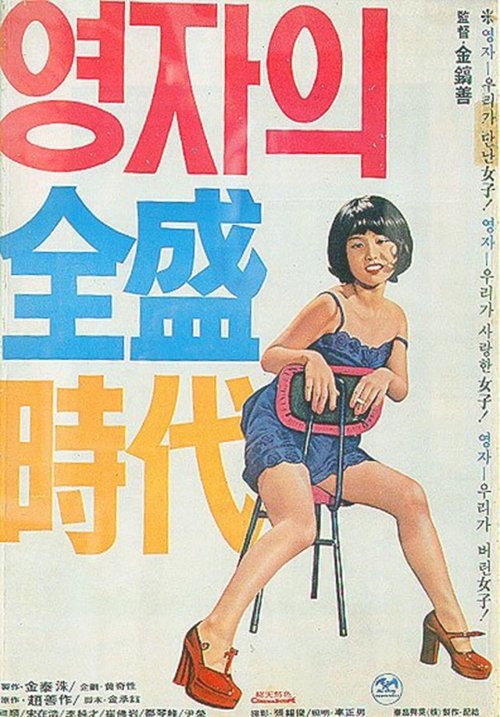
Yeong-ja’s Heydays
1975
No user ratings available yet
Diversity score: 6.9 out of 10
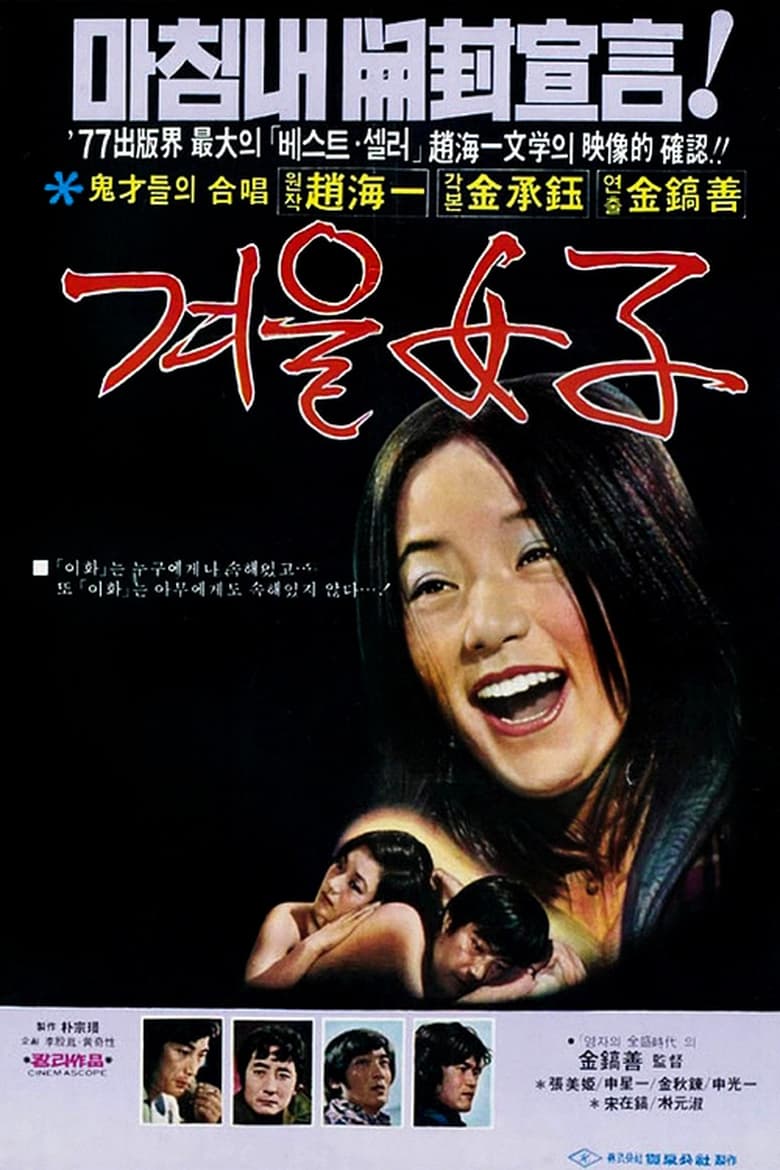
1977
Director
Kim Ho-sun
Runtime
116 minutes
Average Rating
No ratings yetSynopsis
Based on a serial novel by Cho Hae-il, "Winter Woman" deals with the sexual awakening of Yi-hwa, the daughter of a prosperous Christian preacher who has been raised to be morally and sexually conservative. The book and film earned the condemnation of conservative critics, however the author's leftist subtext went unchallenged overshadowed by the sexual themes. The film was the best selling Korean film of the 1970s and made a star of its female lead, Chang Mi-hee.
Overall Score
Fair
Category Breakdown
LGBTQ+ Representation
The film focuses on the sexual awakening of its female protagonist. While it lacks explicit queer identities, the narrative disrupts heteronormative moral rigidity by breaking sexual taboos.
Gender Representation
Yi-hwa demonstrates significant agency by rejecting the restrictive moral framework of her father. She acts as an active agent of her own desire rather than a submissive archetype.
Racial & Ethnic Diversity
The film depicts a culturally homogeneous Korean society consistent with its historical context. It does not feature multi-ethnic casting or race-bending elements.
Religious & Cultural Diversity
The story critiques Western-influenced institutions like the Christian church and conservative family units. It portrays these structures as oppressive forces that stifle individual autonomy.
Disability Representation
There are no identifiable depictions of physical or neurodivergent disabilities within the narrative.
Strengths
Areas for Improvement
AI Analysis
Winter Woman is a transgressive drama that prioritizes individual agency over the rigid social and religious dogmas of 1970s South Korea. Its primary impact comes from deconstructing the traditional family unit and challenging patriarchal hierarchies through the protagonist's personal evolution. While the film lacks modern intersectional markers like explicit LGBTQ+ or disability representation, it succeeds as a critique of systemic authority. The narrative uses the protagonist's sexual awakening to push against the era's conservative moral orthodoxies. Ultimately, the film serves as a vital piece of domestic cultural expression. It trades broad demographic diversity for a deep, structural challenge to the religious and social constraints of its time.
1975
1965
1966

1957

1972
1969

2012
1971

1979

1961

1973
1985
No reviews yet. Be the first to share your thoughts on this movie!
Use the rating form above to leave a star rating and optional review.