
Lone Wolf and Cub: Baby Cart to Hades
1972
No user ratings available yet
Representation score: 3.6 out of 10
Representation Score
Minimal
1973
Not RatedDirector
Kenji Misumi
Runtime
89 minutes
Average Rating
No ratings yetNew Showbiz Analysis
The film is a highly stylized exploration of a grim, fatalistic world. While it lacks modern demographic diversity, it succeeds in deconstructing the romanticized myths of the samurai class. Its strength lies in its sophisticated critique of power and systemic corruption, moving beyond simple heroism into a study of isolation and moral relativism. However, the work remains deeply traditional in its social structures, offering almost no representation of gender, racial, or LGBTQ+ diversity, focusing instead on a narrow, masculine-centric martial reality.
Category Breakdown
The film focuses solely on the bond between a father and his son, without depicting any non-straight or non-cisgender identities. It adheres strictly to traditional Edo-period social structures.
The narrative primarily revolves around male characters, emphasizing their roles in combat and the ronin code. Female characters are largely peripheral, reinforcing traditional gender hierarchies.
Set in feudal Japan, the film's casting reflects historical ethnic homogeneity, depicting a localized social hierarchy rather than a diverse or globalized society.
The story challenges idealized moral clichés by portraying the Shogunate as a broken, oppressive institution. It replaces idealized parenting with a stoic, survival-based mentorship between father and child.
There is no representation of physical, sensory, or neurodivergent disabilities. Characters are defined by the peak physical abilities required for the martial arts genre.
Present on Screen
Limited or Absent
Official Synopsis
Ogami Itto is challenged by a quintet of warriors, each armed with one fifth of Ogami's assassin fee and one fifth of the information he needs to complete his assignment.
1972
1972

1972
1972

1974
1993
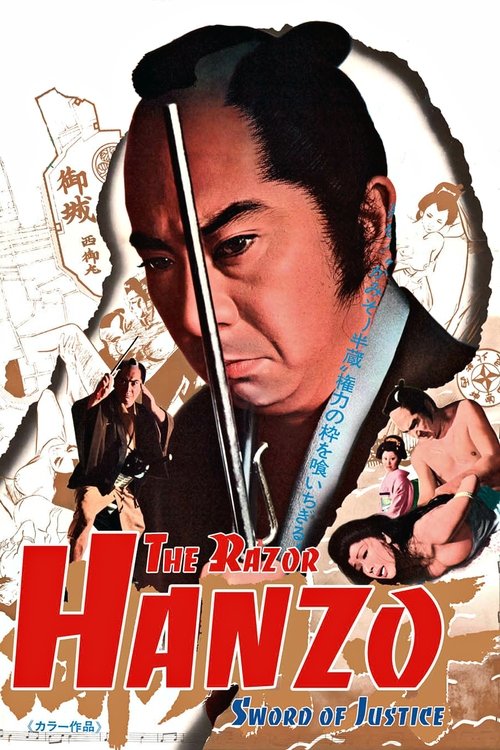
1972

1967
No reviews yet. Be the first to share your thoughts on this movie!
Use the rating form above to leave a star rating and optional review.