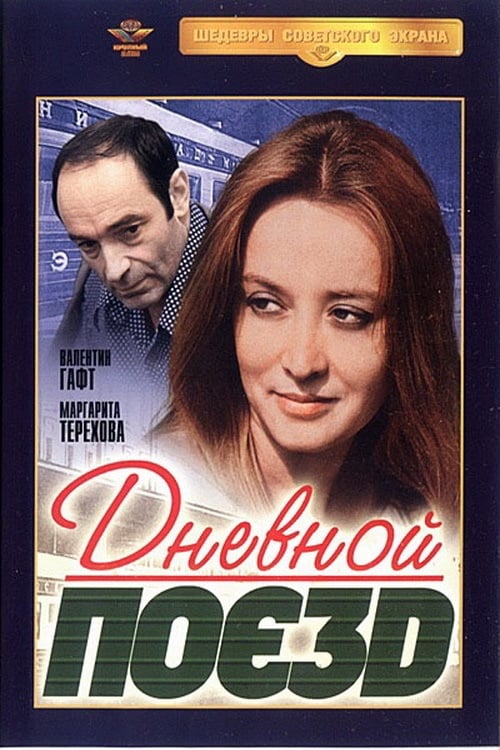
Daylight Train
1976
No user ratings available yet
Representation score: 3.4 out of 10
Representation Score
Fair
1993
Director
Sergei Ursuliak
Runtime
95 minutes
Average Rating
No ratings yetNew Showbiz Analysis
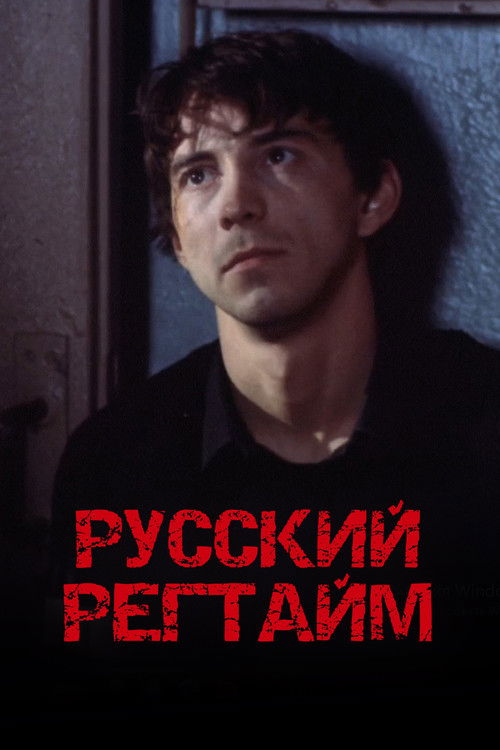
Russian Ragtime serves as a psychological exploration of escapism during a time of significant societal change. It uses the protagonist's yearning for the United States to symbolize a desire for freedom from the perceived stagnation of the Soviet Union. Though the film does not feature modern markers of diversity such as overt LGBTQ+ or multi-ethnic casting, it achieves a progressive tone through its critique of the status quo. It prioritizes individual desires and subjective experiences over the collective expectations of a monolithic state. Ultimately, the film operates as a cultural critique of confinement, emphasizing the strength of individual rebellion against state-imposed realities.
Category Breakdown
The film does not include explicit representations of LGBTQ+ identities. The narrative emphasizes geopolitical ambitions rather than challenging traditional gender norms.
The story revolves around a male protagonist named Misha, indicating a male-centric viewpoint. The roles and ability to act of women within the social structure are not clearly defined.
Set in the Soviet Union, the cast appears ethnically uniform. The narrative focuses on foreign cultures as distant concepts rather than exploring internal racial diversity.
The film provides a strong critique of Soviet social structures. It portrays the pursuit of Western ideals as a means to escape state-imposed limitations.
There is no indication that disability or neurodivergence impacts the narrative or character development.
Present on Screen
Limited or Absent
Official Synopsis
In Soviet Union young Misha is dreaming to see USA, but it seems highly unlikely...
1976
1980

1989
1987

1970
1984

1981
1988
No reviews yet. Be the first to share your thoughts on this movie!
Use the rating form above to leave a star rating and optional review.