
Jungle Woman
1944
No user ratings available yet
Representation score: 1.6 out of 10

Representation Score
Minimal
1957
ApprovedDirector
Gene Fowler Jr.
Runtime
76 minutes
Average Rating
No ratings yetNew Showbiz Analysis
This 1957 horror classic reinforces mid-century social hierarchies. The narrative structure prioritizes traditional gender roles and a homogeneous social landscape, offering little room for diverse perspectives. The central conflict revolves around a male protagonist's struggle, leaving female characters in secondary, reactive roles. The film lacks any racial, ethnic, or LGBTQ+ representation. While the werewolf transformation could serve as a metaphor for neurodivergence, the film treats this condition as a source of fear. It ultimately upholds the status quo rather than challenging it.
Category Breakdown
The film strictly follows the assumption that everyone is straight or cisgender. There is no representation of non-traditional gender identities or same-sex relationships.
Female characters mainly serve as emotional support or love interests. The story upholds 1950s gender hierarchies without challenging male dominance.
The cast is mostly white and Anglo-Saxon. The small-town setting lacks any significant racial or ethnic diversity.
The story operates within a framework of traditional Western morality. It emphasizes maintaining community cohesion against biological threats.
Lycanthropy is portrayed as a monstrous condition rather than a complex identity. The transformation is framed as a curse to be contained.
Present on Screen
Limited or Absent
Official Synopsis
A hypnotherapist uses a temperamental teenager as a guinea pig for a serum which transforms him into a vicious werewolf.
1944
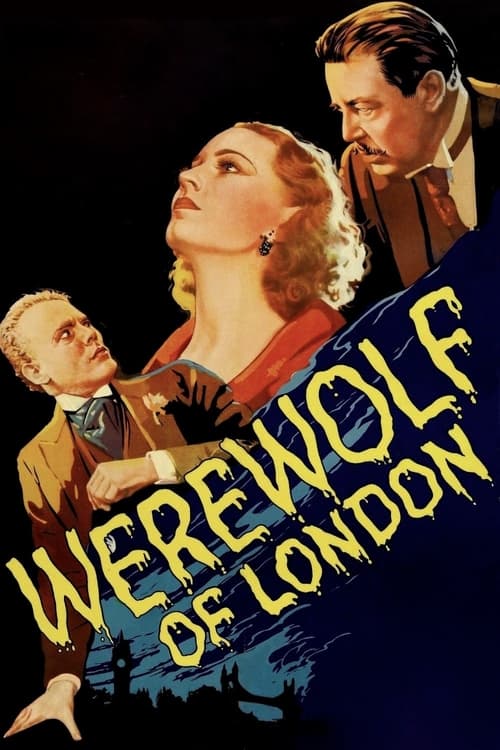
1935
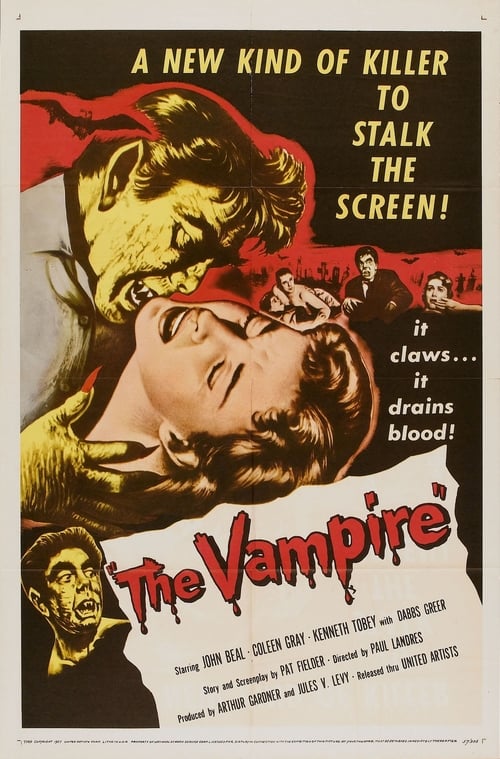
1957
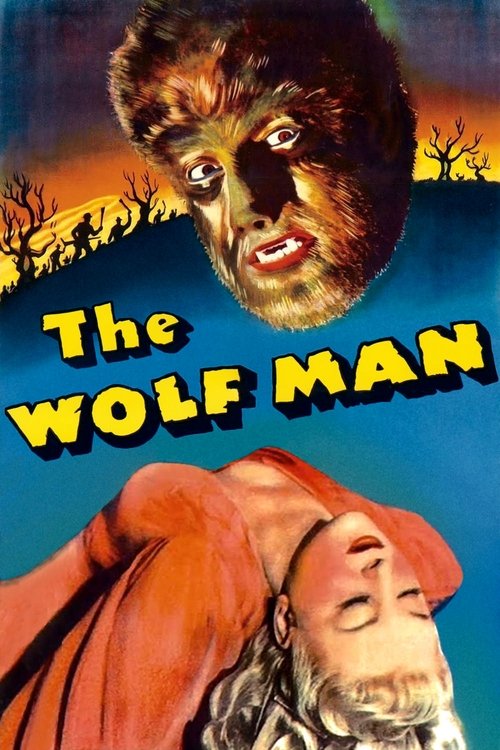
1941

1956
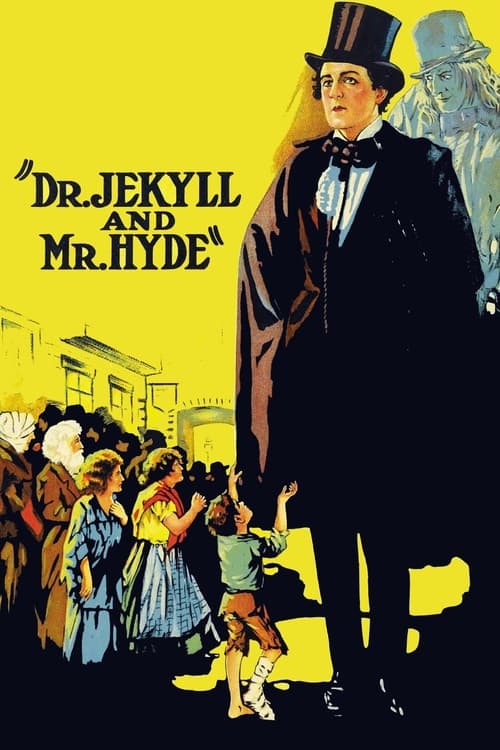
1920
1942
1961
No reviews yet. Be the first to share your thoughts on this movie!
Use the rating form above to leave a star rating and optional review.