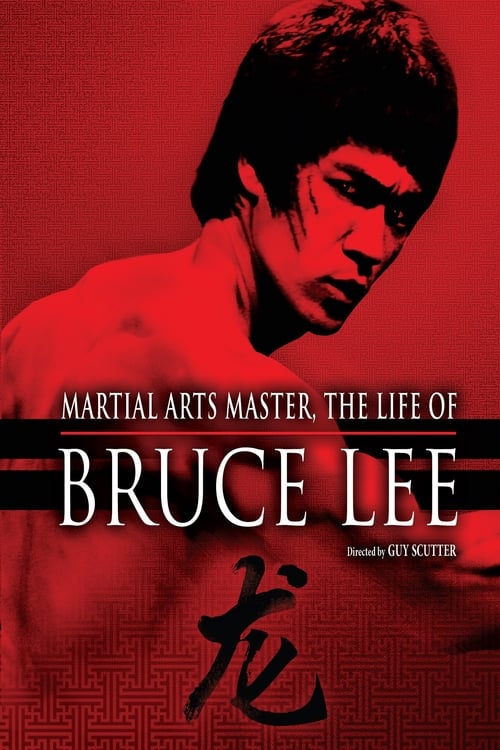
The Life of Bruce Lee
1994
No user ratings available yet
Representation score: 4.9 out of 10
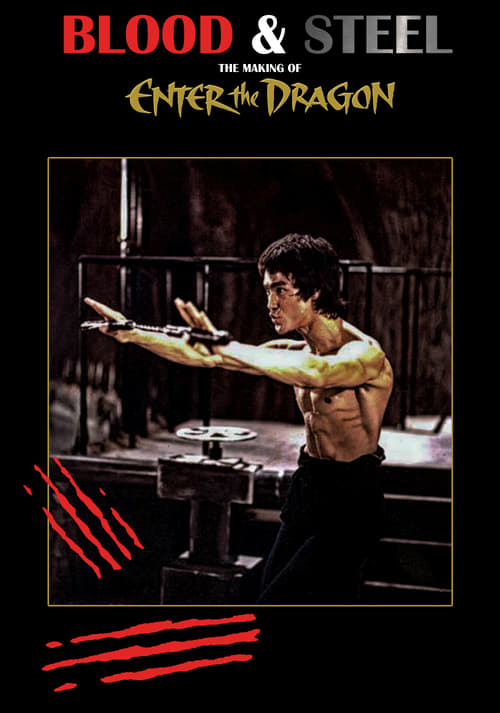
Representation Score
Fair
2004
Director
Trevor Pressman, Paul M. Heller
Runtime
30 minutes
Average Rating
No ratings yetNew Showbiz Analysis
This documentary excels as a study of racial and ethnic shifts in global cinema. By centering Bruce Lee, it illustrates the move away from Hollywood caricatures toward genuine Asian ability to act and cross-cultural influence. However, the film is heavily anchored in the masculine-coded environment of 1970s action cinema. This focus on physical mastery and technical production limits the exploration of broader gendered and multi-layered identities. Ultimately, the work serves as a historical retrospective that prioritizes the professional legacy of a martial arts icon over contemporary social representation.
Category Breakdown
The documentary reflects the social constraints of the 1970s era. It lacks narratives that code for queer identities or intentional representation of diverse gender identities.
The narrative focuses on masculine archetypes of strength and discipline. While it documents women's professional contributions, the roles of women remain limited.
The film highlights Bruce Lee’s role in challenging Western-centric action clichés. It offers a nuanced look at how Lee reclaimed Asian identity on screen.
The film explores the tension between Eastern traditions and Western commercial interests. It avoids religious dogma, focusing instead on the realities of filmmaking.
There is no discernible focus on visible or invisible disabilities. Disability is not a central theme in this biographical documentary.
Present on Screen
Limited or Absent
Official Synopsis
Documentary on the making of Bruce Lee's Enter the Dragon (1973).
1994
2000
1993

2012
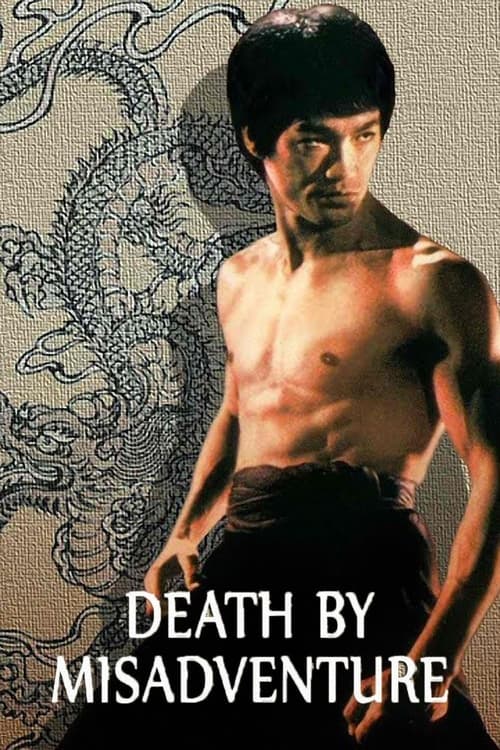
1993
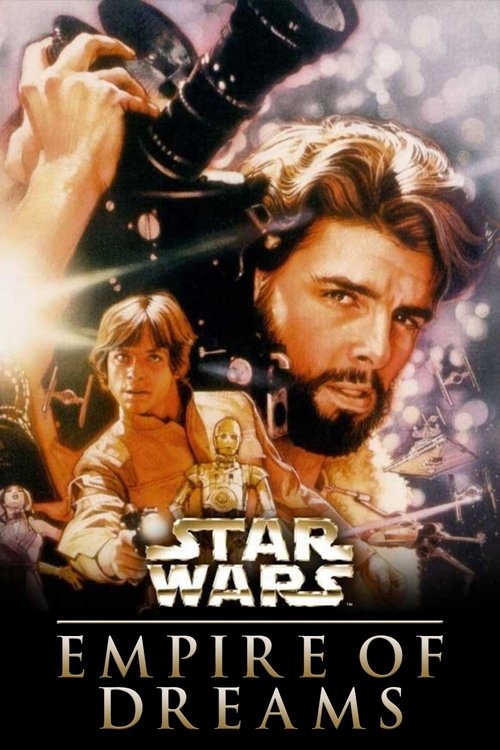
2004
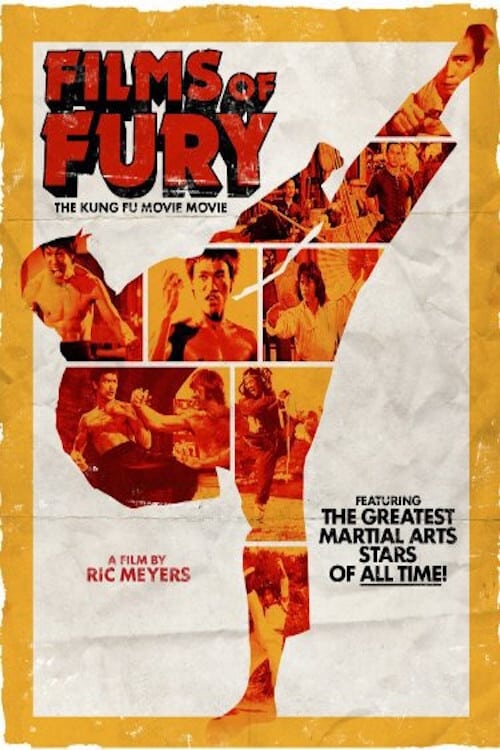
2011

2003
No reviews yet. Be the first to share your thoughts on this movie!
Use the rating form above to leave a star rating and optional review.