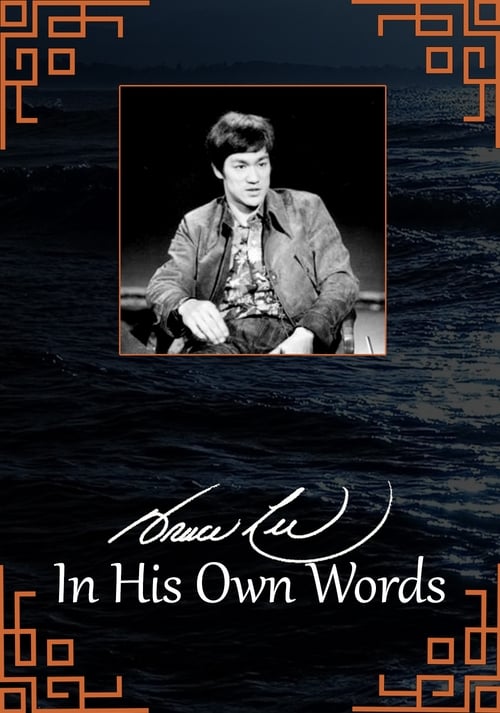
Bruce Lee: In His Own Words
1998
No user ratings available yet
Representation score: 4.0 out of 10
Representation Score
Fair
2009
Not RatedDirector
Steve Webb
Runtime
91 minutes
Average Rating
No ratings yetNew Showbiz Analysis
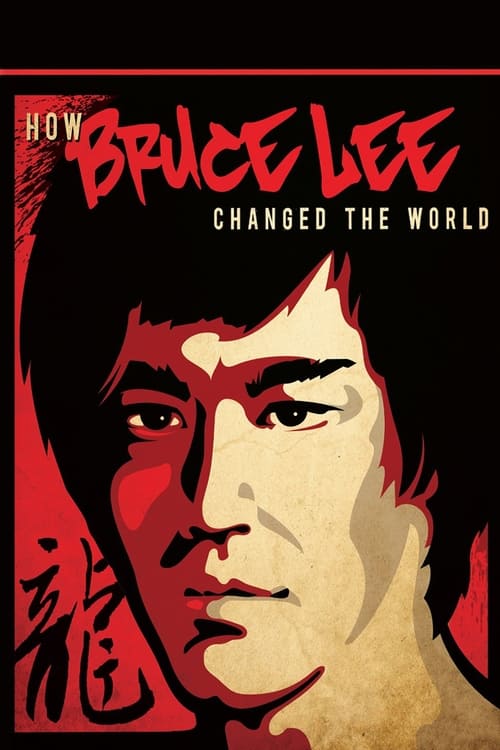
This documentary effectively critiques racial hierarchies, moving beyond simple biography to explore how Bruce Lee dismantled Western stereotypes and reclaimed ability to act for Asian performers. While the film lacks LGBTQ+ or disability-focused narratives, it provides a nuanced look at cultural disruption. The inclusion of Shannon Lee adds a necessary counterbalance to the traditionally masculine subject matter. Ultimately, the film's strength lies in its analysis of how identity can be used to challenge dominant, oppressive cinematic structures.
Category Breakdown
The documentary does not include any LGBTQ+ characters or stories. It focuses solely on Bruce Lee's life and impact on martial arts and popular culture.
Shannon Lee offers a crucial perspective as a guide through the archival footage. Despite the film's emphasis on masculine martial arts philosophy, it treats the female viewpoint as essential to preserving Lee's legacy.
The film highlights how Lee challenged 'Yellow Peril' stereotypes and restrictive Western views. It shows his ability to command ability to act and defy Anglo-centric norms within a historically exclusionary studio system.
The narrative addresses post-colonial themes by criticizing systemic racial exclusions in Hollywood. It emphasizes Lee's Jeet Kune Do philosophy as a means to break rigid institutional structures and formulaic conformity.
There is no significant focus on visible or invisible disabilities in this biographical study.
Present on Screen
Limited or Absent
Official Synopsis
More than just a biography, this film explores Bruce Lee's global impact to see how he has influenced all areas of popular culture including fitness, cinema, music, sport, dance, video games and philosophy. A journey across the United States, Asia and Europe, takes Shannon Lee on a trip back to her father's roots in Hong Kong and China. With unique access to the family's photographic archive, home movies and all material owned by the Bruce Lee Foundation.
1998
2000
1994

2012
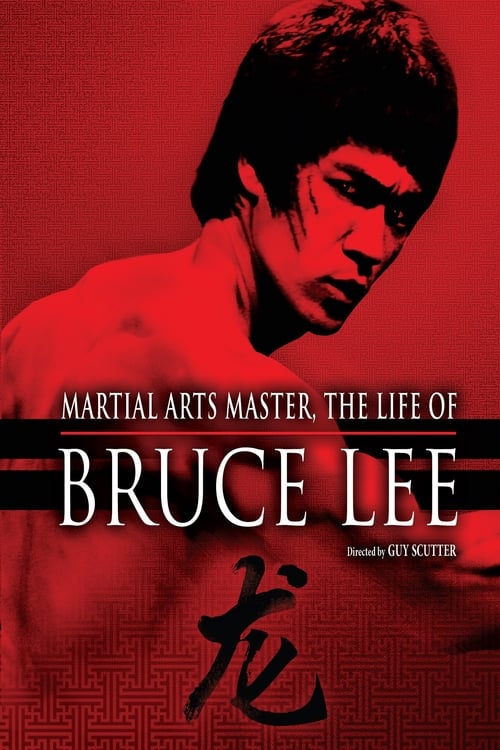
1994
2016

1973
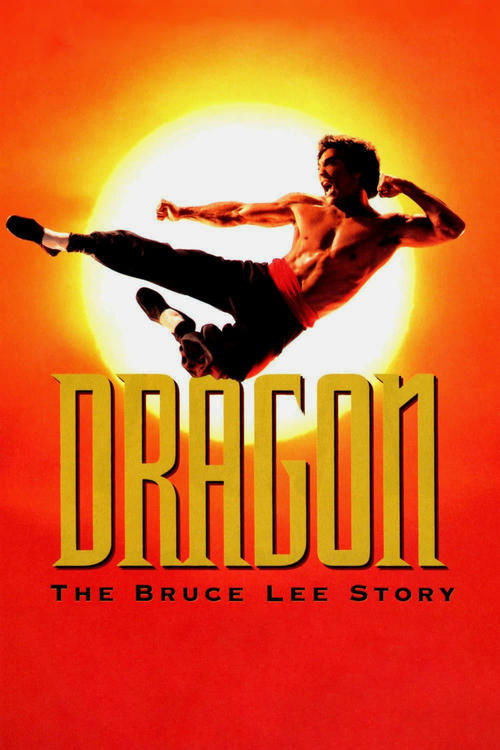
1993
No reviews yet. Be the first to share your thoughts on this movie!
Use the rating form above to leave a star rating and optional review.