
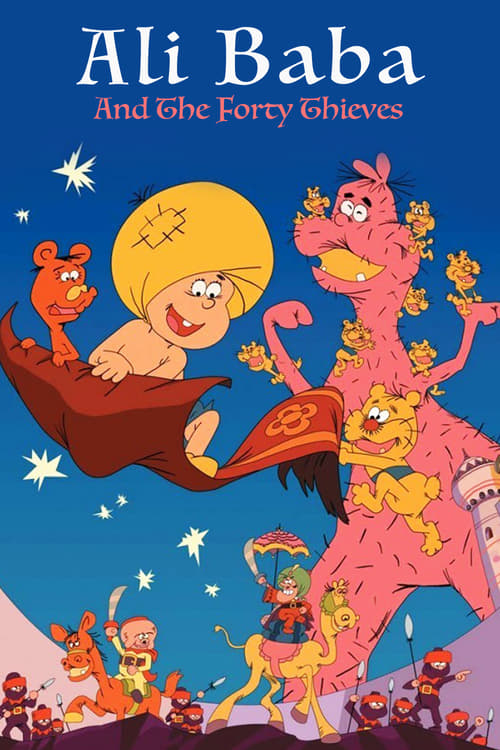
Ali Baba and the Forty Thieves: The Lost Scimitar of Arabia
2005
No user ratings available yet
Representation score: 3.7 out of 10
Representation Score
Fair
1971
Director
Hiroshi Shidara
Runtime
55 minutes
Average Rating
No ratings yetNew Showbiz Analysis
Ali Baba and the Forty Thieves (1971) functions primarily as a study of systemic friction and class struggle. By centering on a peasant boy fighting a tyrannical establishment, the film explores the subversion of traditional power dynamics rather than reinforcing a status quo. The work finds strength in its departure from Western-centric storytelling by leaning into Middle Eastern folklore. This foundation allows for a narrative that challenges institutional authority through an underdog's perspective. However, the film lacks depth in representing multiple aspects of identity. Without explicit depictions of LGBTQ+ identities or disability, the narrative remains focused on a more narrow, traditional fantasy framework.
Category Breakdown
The film adheres to a traditional fantasy structure without clear representation of LGBTQ+ identities or same-sex relationships. The absence of visible queer themes limits the score in this category.
The story centers on a male protagonist, a peasant boy, in a struggle against a tyrannical ruler. While female characters do not have prominent roles, the conflict focuses on disrupting established power hierarchies.
By drawing from Middle Eastern folklore, the film moves away from Anglo-Saxon dominance. The narrative explores class-based struggles that intersect with regional and ethnic identities.
The film critiques centralized authority through a peasant uprising against a tyrant. A cat-phobic genie suggests a whimsical morality that deviates from singular religious or moral frameworks.
There is no evidence regarding the depiction of physical, sensory, or neurodivergent identities within the narrative.
Present on Screen
Limited or Absent
Official Synopsis
A peasant boy and 38 cats band against the tyrannical Ali Baba the 33rd and his cat-phobic genie.
2005
1980
1948
1996
1954
1994

2007

1972
No reviews yet. Be the first to share your thoughts on this movie!
Use the rating form above to leave a star rating and optional review.