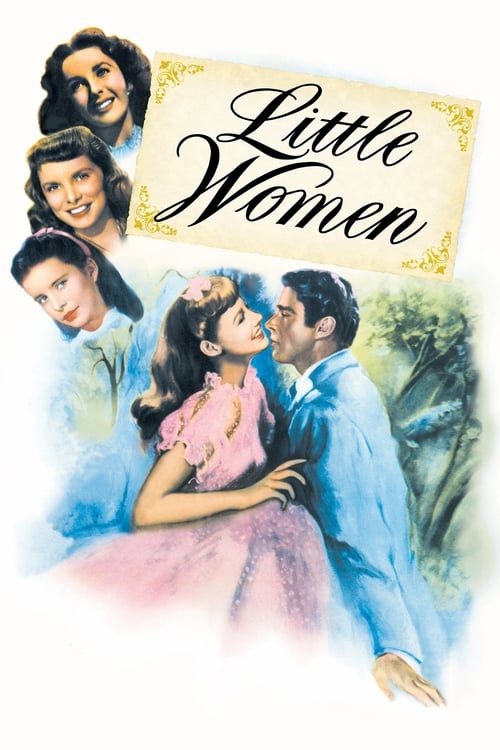
Little Women
1949
No user ratings available yet
Representation score: 2.5 out of 10
Representation Score
Minimal
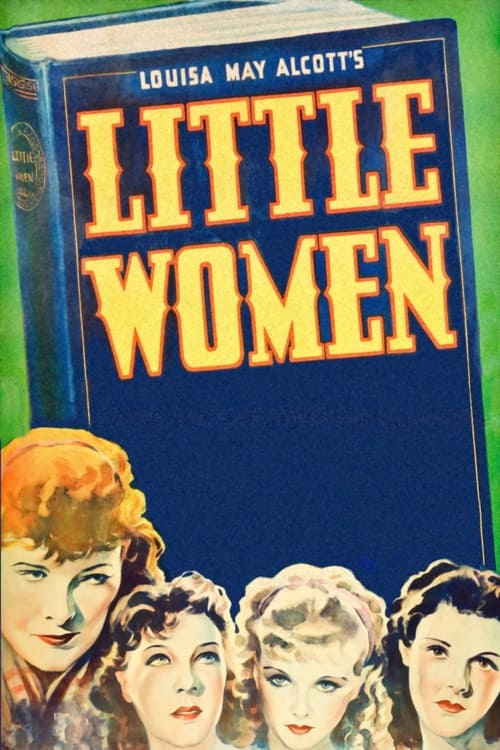
1933
PassedDirector
George Cukor
Runtime
115 minutes
Average Rating
No ratings yetNew Showbiz Analysis
George Cukor's adaptation excels as a character-driven narrative, particularly through Jo March's defiance of 19th-century domestic norms. Her professional ambitions provide a progressive contrast to the era's social constraints. However, the film's demographic focus limits its scope to a white, middle-class New England context, lacking ethnic or racial diversity. The narrative emphasizes traditional Western moral frameworks without engaging with broader social critiques.
Category Breakdown
The film does not include any LGBTQ+ characters or identities outside the heterosexual norm. All romantic relationships adhere to the period's heterosexual norms.
Jo March challenges traditional gender roles by prioritizing intellectual pursuits and professional goals over domestic duties. Her career aspirations offer a modern perspective on the era's gender restrictions.
The cast is uniformly white, representing the 19th-century New England middle class. There is no depiction of ethnic or racial diversity.
The story highlights domestic virtues and traditional Western family structures. It focuses on personal resilience without addressing institutional or anti-capitalist themes.
The film does not feature any prominent characters with physical or cognitive disabilities. Such conditions do not play a central role in the plot or character development.
Present on Screen
Limited or Absent
Official Synopsis
Four sisters come of age in America in the aftermath of the Civil War.
1949
1944
1994

1987
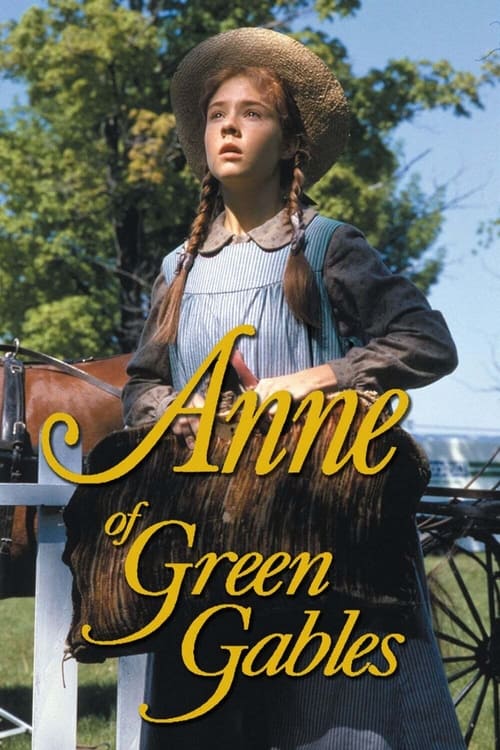
1985
1937
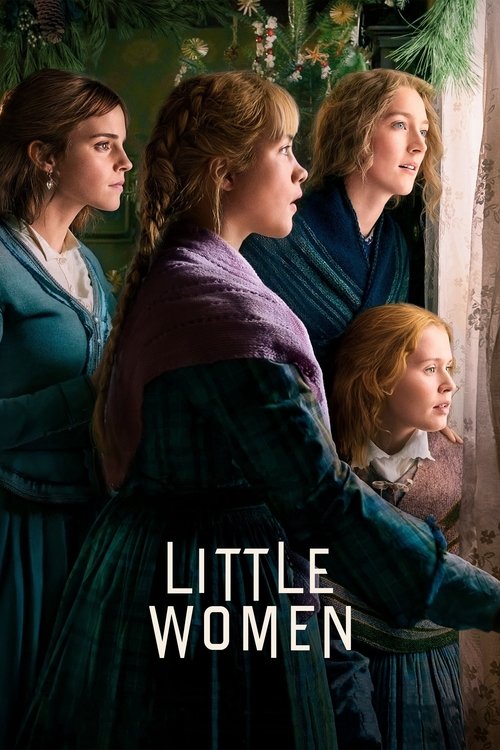
2019
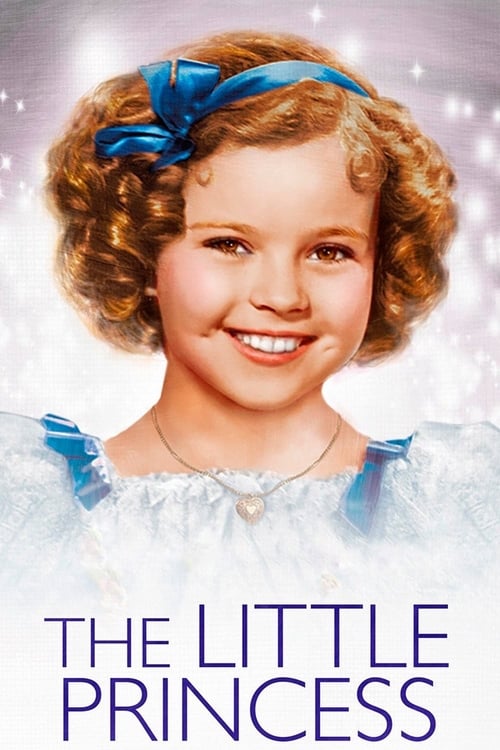
1939
No reviews yet. Be the first to share your thoughts on this movie!
Use the rating form above to leave a star rating and optional review.