
Doctor Who: The Androids of Tara
1978
No user ratings available yet
Representation score: 3.4 out of 10
Representation Score
Limited
1979
Director
Michael Hayes
Runtime
99 minutes
Average Rating
No ratings yetNew Showbiz Analysis
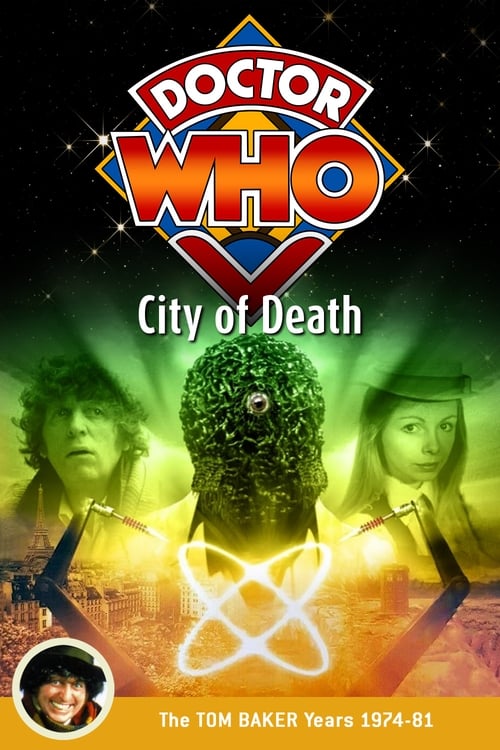
City of Death stands out for its progressive gender dynamics, which disrupt the era's typical science fiction clichés. Romana is a rare example of a female lead with genuine intellectual parity and autonomy. However, the production is limited by its era's demographic standards. The cast lacks racial and ethnic variety, remaining largely homogeneous within its European settings. Ultimately, the film's strength lies in its subversion of power structures and its critique of greed, even as it fails to represent LGBTQ+ or disabled identities.
Category Breakdown
The story lacks explicit LGBTQ+ characters or storylines. Interpersonal dynamics focus on heterosexual or platonic interactions without challenging traditional gender roles.
Romana serves as a highly capable intellectual peer to the Doctor, possessing equal ability to act. Female characters pass the Bechdel test through substantive discussions regarding plot mechanics.
The cast is predominantly homogeneous, reflecting 1979 production constraints. While avoiding harmful stereotypes, the narrative maintains a traditional Anglo-centric focus.
The narrative critiques unchecked capitalism through the antagonist, Brett Sylvester. It also explores moral relativism by prioritizing cosmic stability over rigid, institutionalized laws.
There are no prominent depictions of visible or invisible disabilities. Characters with disabilities are not utilized as central plot devices.
Present on Screen
Limited or Absent
Official Synopsis
While taking in the sights of Paris in 1979, the Doctor and Romana sense that someone is tampering with time. Who is the mysterious Count Scarlioni? Why does he seem to have counterparts scattered through time? And just how many copies of the Mona Lisa did Leonardo da Vinci paint?
1978

1996

1976

2014

1985
1979

1982
1981
No reviews yet. Be the first to share your thoughts on this movie!
Use the rating form above to leave a star rating and optional review.