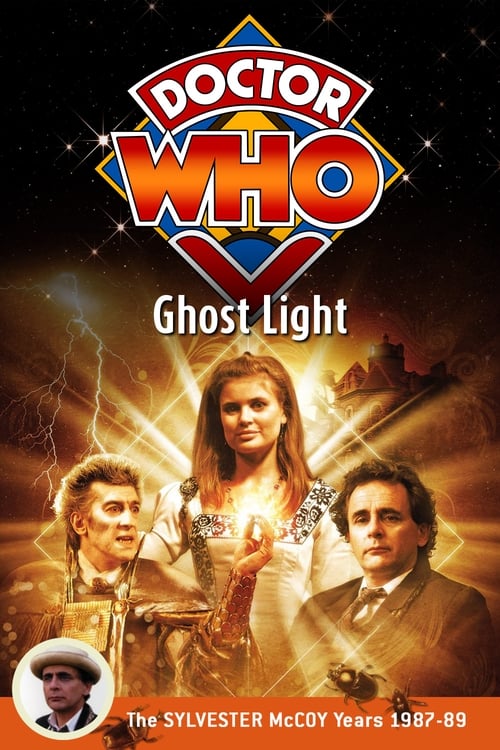
Doctor Who: Ghost Light
1989
No user ratings available yet
Representation score: 3.7 out of 10

Representation Score
Limited
1982
Director
Fiona Cumming
Runtime
100 minutes
Average Rating
No ratings yetNew Showbiz Analysis
The production stands out in its challenge to gender hierarchies, giving women technical skills and narrative ability to act. This creates a more balanced dynamic compared to many modern stories. However, the work is limited by a lack of racial and LGBTQ+ diversity. The main cast remains largely homogeneous, reflecting the era's production constraints. Ultimately, the film examines themes of transition and systemic critique. It questions the idea of forced societal perfection while maintaining traditional demographics.
Category Breakdown
The story does not include any LGBTQ+ characters or explore non-straight relationships. Social dynamics stay within traditional heterosexual norms.
Characters like Nyssa and Tegan Jovanka show strong intellectual ability to act and act as active investigators who challenge the Doctor. They are not passive companions.
The cast is mostly made up of actors from similar backgrounds, reflecting the social norms of the early 1980s. There is no significant ethnic diversity or varied casting.
The film criticizes institutional stability by showing the utopian Castrovalva as a deceptive, restrictive system. It favors dynamic change over rigid control.
The Doctor faces physical and mental challenges during a traumatic transformation. However, disability is not specifically addressed as a distinct identity.
Present on Screen
Limited or Absent
Official Synopsis
The Doctor needs somewhere peaceful to recover from his traumatic regeneration. But the sanctuary of Castrovalva is not all it seems, as the Master will stop at nothing to gain his revenge over the Doctor...
1989
1996
1985
2014
1973

1982
1979
1987
No reviews yet. Be the first to share your thoughts on this movie!
Use the rating form above to leave a star rating and optional review.