
The Philadelphia Experiment
1984
No user ratings available yet
Representation score: 1.1 out of 10
Representation Score
Minimal
1979
PGDirector
Nicholas Meyer
Runtime
112 minutes
Average Rating
No ratings yetNew Showbiz Analysis
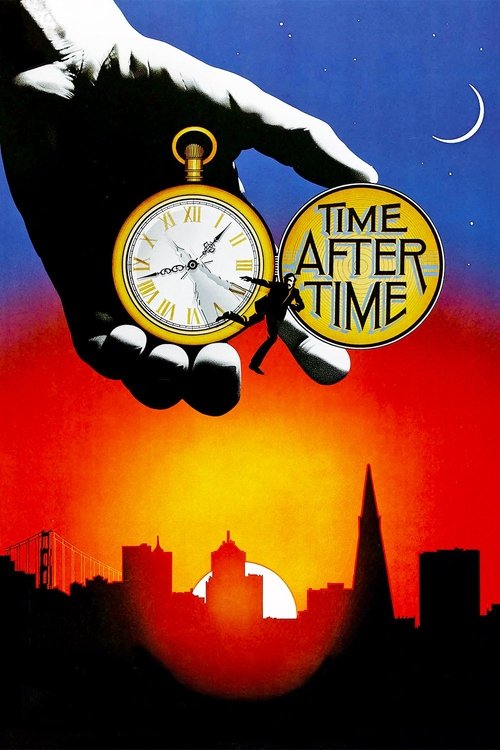
Time After Time is a genre-driven science fiction adventure that prioritizes historical anachronism and comedic tension. While the film offers a sophisticated blend of different historical timelines, it lacks intentional depth in addressing multiple aspects of identity. The narrative focuses on the pursuit of a criminal across temporal boundaries, leaving little room for the deconstruction of social hierarchies. It operates primarily within traditional romantic and social frameworks. Ultimately, the film functions as a character-driven chase rather than a vehicle for broader social critique.
Category Breakdown
The film adheres to a traditional focus on straight relationships and cisgender characters, with no depictions of LGBTQ+ identities or narratives exploring queer themes.
Claire plays a significant role in driving the story within her 1970s setting, creating a comedic contrast with Wells's Victorian sensibilities. However, the story remains centered on the male protagonist's control over the narrative.
Casting and settings reflect the demographic norms of the late 1970s and the early 1900s. The narrative maintains a relatively homogeneous focus on the central characters.
The plot uses anachronism to bridge two eras but avoids critiquing Western institutions or religious structures. Conflict is driven by personal justice rather than broader systemic issues.
There are no prominent portrayals of physical or neurodivergent disabilities that serve as central character arcs or plot drivers.
Present on Screen
Limited or Absent
Official Synopsis
Writer H. G. Wells pursues Jack the Ripper to modern day San Francisco after the infamous serial killer steals his time machine to escape the 19th century.
1984

2014
1990

1960

1977
1973
1989

1978
No reviews yet. Be the first to share your thoughts on this movie!
Use the rating form above to leave a star rating and optional review.