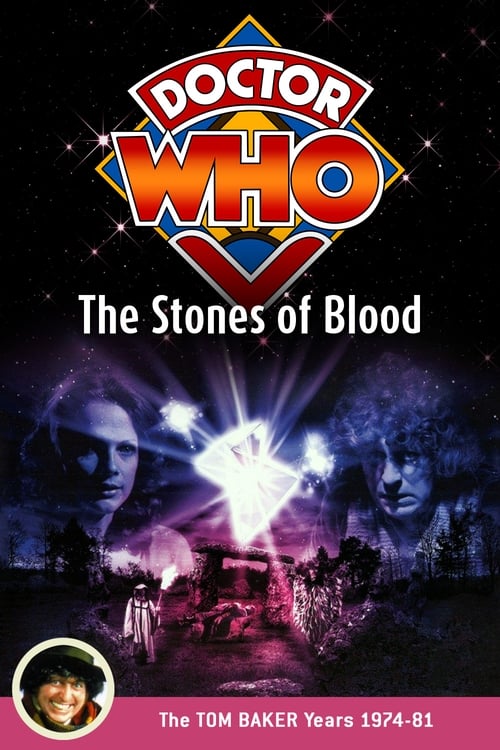
Doctor Who: The Stones of Blood
1978
No user ratings available yet
Representation score: 2.8 out of 10

Representation Score
Limited
1978
Director
Michael Hayes
Runtime
100 minutes
Average Rating
No ratings yetNew Showbiz Analysis
The production stands out in its gender subversion, using Leela to challenge the competence of a highly stylized, aristocratic social order. Her presence acts as a primary agent of disruption against traditional decorum. However, the work is limited by a lack of diverse representation. The absence of LGBTQ+ and disability characters, combined with a Eurocentric aesthetic for the ruling class, prevents a higher score. Ultimately, the film serves as a social critique of superficial institutions. It uses a clash of cultures to question the superiority of established social codes.
Category Breakdown
The story does not include any LGBTQ+ characters or explore non-straight identities. Social dynamics focus on political succession and interpersonal interactions without any queer themes.
Leela challenges traditional hierarchies through her combat skills and refusal to adopt submissive roles. Her actions disrupt the rigid, male-dominated etiquette of the Tara aristocracy.
The setting uses a Eurocentric aristocratic lens, limiting ethnic variety. However, Leela’s outsider status introduces tensions between perceived civilization and her culture, reflecting post-colonial dynamics.
The story critiques the superficial nature of Western-style aristocracy and decorum. A clash of cultures creates moral relativism, though it lacks explicit secularist or anti-capitalist messages.
There is no representation of physical, neurodivergent, or sensory disabilities. The androids serve as metaphors for artificiality rather than representing disability.
Present on Screen
Limited or Absent
Official Synopsis
Finding the fourth segment of the Key to Time was simple enough, but holding onto it may be another matter. The Doctor and Romana find themselves embroiled in the political games of the planet Tara, where doubles, android or otherwise, complicate the coronation of Prince Reynart.
1978
1996
1978
2014

1975
1979

1977

1977
No reviews yet. Be the first to share your thoughts on this movie!
Use the rating form above to leave a star rating and optional review.