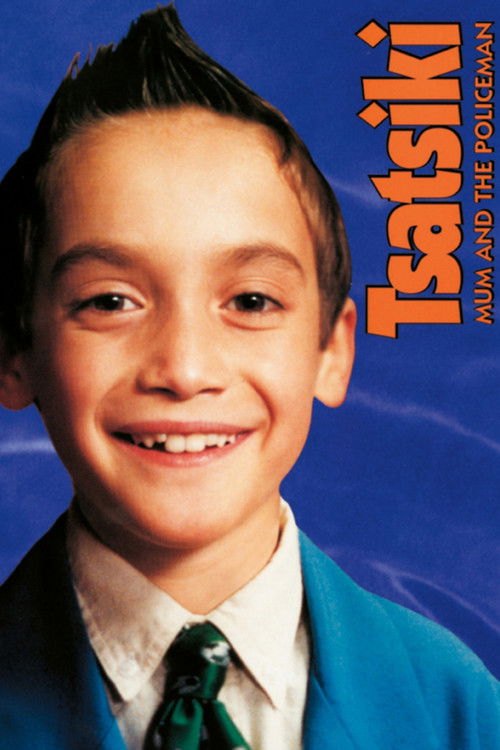
Tsatsiki
1999
No user ratings available yet
Representation score: 7.3 out of 10
Representation Score
Fair
2007
Director
Kim Hee-jung
Runtime
95 minutes
Average Rating
No ratings yetNew Showbiz Analysis
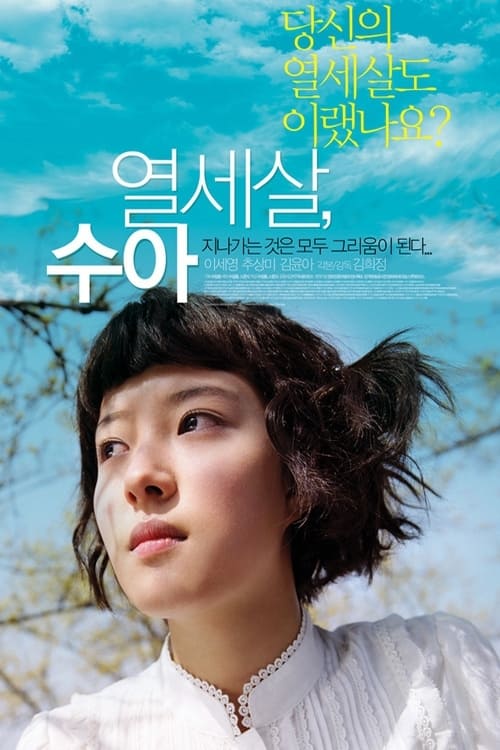
The film serves as a localized character study focused on the psychological complexities of a thirteen-year-old girl. It succeeds in providing a nuanced look at female independence and the internal friction of adolescence. However, the production lacks diversity, focusing on a culturally homogeneous framework and offering almost no representation for LGBTQ+ identities or visible disabilities. Ultimately, while the film provides a meaningful exploration of the mother-daughter bond and individual autonomy, its narrow demographic scope limits its overall diversity impact.
Category Breakdown
The film does not include any LGBTQ+ characters or relationships that go beyond the assumption that everyone is straight or cisgender. The story focuses on traditional family structures and the bond between the protagonist and her mother.
The story centers on a female protagonist who exercises emotional independence. She avoids submissive stereotypes by making disruptive, independent choices that challenge maternal authority.
As a South Korean production, the film features a culturally homogeneous cast. It does not engage in blending different racial backgrounds or using non-Western casting.
The plot explores the breakdown of the nuclear family and the impact of celebrity culture. It offers a nuanced view of social deviance through a coming-of-age lens.
There is no explicit representation of disability. While the protagonist exhibits withdrawn, dream-like behaviors, these remain subtle psychological traits rather than a formal disability arc.
Present on Screen
Limited or Absent
Official Synopsis
A 13 year old girl who lives with her widowed mother in a town in Korea. Somewhat withdrawn and living in dreams, her main dream is that her real mother is a famous pop singer. Soo-ah falls in with a delinquent schoolgirl, and after a tense argument with her mother, blurts out that she is not her real mother. She runs away on a train to Seoul to see her "real mother" at a concert and be with her.
1999
2002

2019

1999

2019

2004
2005
2023
No reviews yet. Be the first to share your thoughts on this movie!
Use the rating form above to leave a star rating and optional review.