
Family Affair
2019
No user ratings available yet
Representation score: 5.2 out of 10
Representation Score
Good
2023
Director
Kim Min-ju
Runtime
102 minutes
Average Rating
No ratings yetNew Showbiz Analysis
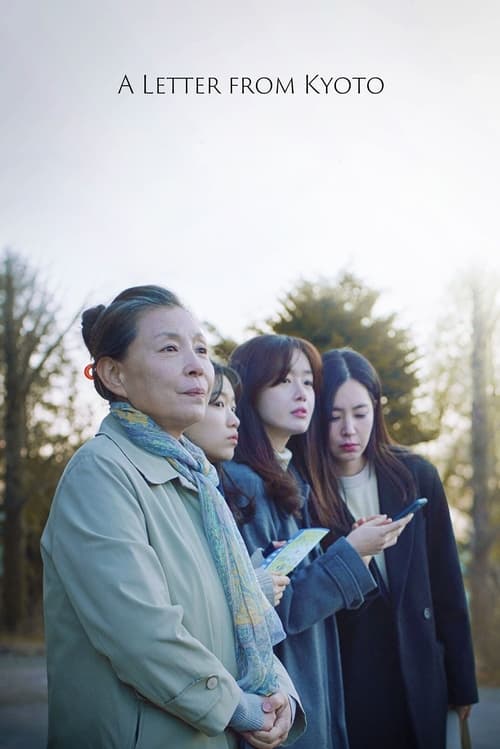
A Letter from Kyoto is a character-driven drama that emphasizes female leadership and challenges traditional domestic storytelling. By focusing on a matriarchal structure, the film shifts away from conventional patriarchal narratives. The narrative explores the intricacies of solo parenting and the rediscovery of hidden histories. It utilizes cultural artifacts to bridge regional divides, providing a nuanced perspective on identity beyond the nuclear family model. Though the film does not delve deeply into high-concept identity politics, its focus on the complexities of personal histories aligns with progressive storytelling trends.
Category Breakdown
The film does not explicitly depict non-straight relationships or identities. However, a mother's hidden past hints at potential for exploring more nuanced character development.
The story focuses on a matriarchal household, challenging traditional patriarchal structures. Women take a leading role in driving the narrative, highlighting their resilience and intellectual curiosity.
Set in an East Asian context, the film uses a Japanese letter to connect Korean and Japanese cultures. This approach delves into the historical and regional ties between Korea and Japan.
The film examines a widow and her daughters, critiquing the idea of a perfect nuclear family. It employs a foreign language to question monolithic national identities and celebrate complex personal histories.
The narrative does not include characters with visible or invisible disabilities.
Present on Screen
Limited or Absent
Official Synopsis
Hwa-ja has been raising three daughters alone in Busan after her husband passed away. One day, the second daughter Hye-young comes back to Busan after having continuous setbacks in Seoul. While spending time with her mom, she accidently sees a letter written in Japanese, which triggers her curiosity. She starts to ask Hwa-ja about her past life and gets to know new stories of her mother that she had never heard of.
2019
2002
2019

2008

2017
2019
2021

2007
No reviews yet. Be the first to share your thoughts on this movie!
Use the rating form above to leave a star rating and optional review.