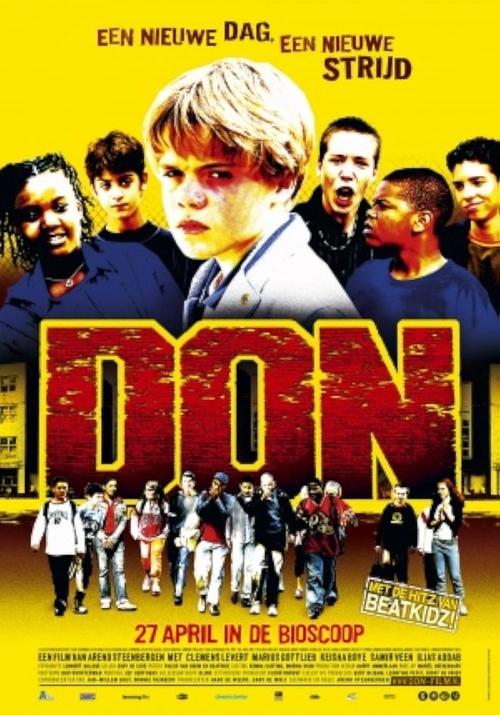
Don
2006
No user ratings available yet
Representation score: 4.4 out of 10
Representation Score
Limited
2005
Director
Willem van de Sande Bakhuyzen
Runtime
96 minutes
Average Rating
No ratings yetNew Showbiz Analysis
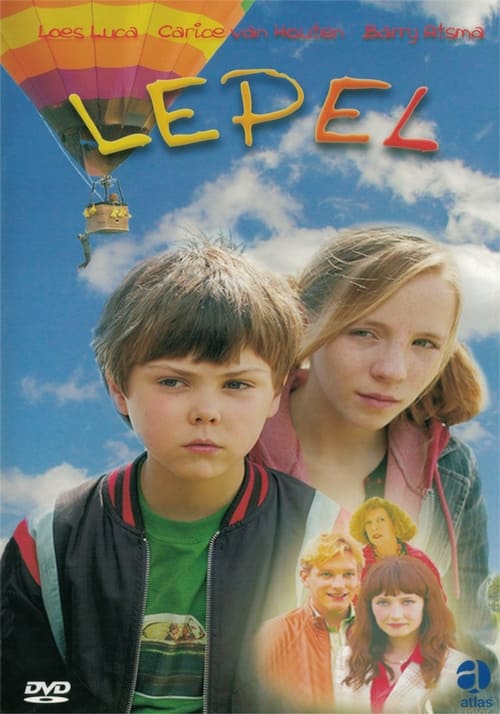
Spoon (2005) is a character-driven film focusing on a child's resilience in a dysfunctional home environment. It avoids traditional archetypes, presenting authority figures and family structures through a skeptical, morally complex lens. The film's strength lies in its critique of social norms, particularly regarding the roles of elders and institutions. It replaces the 'nurturing matriarch' and 'benevolent teacher' with figures that are transactional or exploitative. However, the film lacks depth in representing diverse identities. It operates within a largely homogeneous social framework, offering limited representation of race, LGBTQ+ identities, or disability.
Category Breakdown
The film does not feature any LGBTQ+ characters or stories about non-assuming gender matches what was assigned at birth identities. The plot centers around the relationship between a child and their guardian.
The story challenges the typical nurturing grandmother stereotype by showing her as an exploitative figure. However, there are no broader gender-based character arcs to expand the scope.
The setting seems localized and homogeneous, with no indication of a diverse cast or efforts to challenge racial norms.
The film criticizes traditional Western ideals by depicting the family unit as exploitative. It also portrays educational institutions as transactional rather than supportive.
There are no characters with visible or invisible disabilities in the narrative. The focus remains on the protagonist's social and domestic struggles.
Present on Screen
Limited or Absent
Official Synopsis
Years ago, Lepel's parents left an hot air balloon world tour. He stays with granny Koppenol, who constantly exploits him for domestic chores, in her buttons shop and even as accomplice in the department store where she steals the buttons from clothes. After she won't even leave him the balloon kind salesman Max gave him, Lepel, now 9, runs away. He meets Max's slightly older daughter Pleun. Schoolmaster Bijts is also looking for him, but only as arithmetics talent for an academic schools contest. Max accidentally finds out the sad truth about Lepel's family.
2006
2002
1975
2015
2002

1937
1983
2004
No reviews yet. Be the first to share your thoughts on this movie!
Use the rating form above to leave a star rating and optional review.