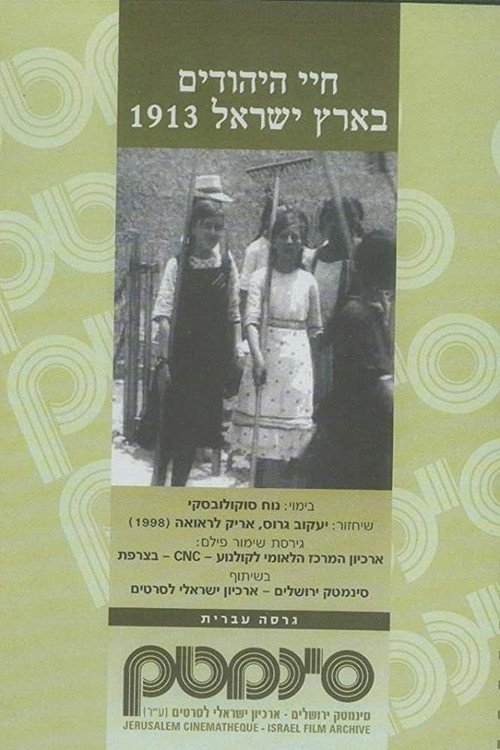
The Life of the Jews of Palestine
1913
No user ratings available yet
Representation score: 2.4 out of 10
No Poster Available
Representation Score
Excellent
1936
Director
Helmar Lerski
Runtime
50 minutes
Average Rating
No ratings yetNew Showbiz Analysis
Avodah is a powerful ideological film that uses expressionist visuals to elevate communal labor into a mythic narrative. By highlighting the socialist ideals of the kibbutz movement, the film challenges individualist Western norms and offers a vision of systemic empowerment. The film excels in cultural and ethnic representation, giving a significant role in driving the story to Jewish settlers in Palestine. It successfully disrupts traditional colonial perspectives by focusing on the technological and agricultural mastery of a specific ethnic group. However, the film's emphasis on physical labor and pioneering strength leads to a lack of representation for LGBTQ+ identities and individuals with disabilities. Gender roles remain tied to the labor-centric norms of the time.
Category Breakdown
The film does not include any LGBTQ+ characters or narratives. Given the context of a 1936 agricultural documentary, the absence of such representation is noted.
The film highlights physical labor and technological achievements of the kibbutz movement. While communal work is emphasized, there is no clear subversion of traditional gender roles in the film.
Lerski focuses on a non-Western identity, challenging colonial documentary clichés. The film gives a significant role in driving the story and respect to Jewish settlers who reclaim their land through agricultural and technological advancements.
The film celebrates a socialist Jewish community and collective living. It prioritizes a communal identity over individualist Western models, presenting labor as a transformative, systemic success.
There is no depiction of individuals with disabilities in the film. The focus remains solely on the collective physical strength of the pioneers.
Present on Screen
Limited or Absent
Official Synopsis
This documentary celebrates the pioneering labors of early Jewish settlers in Palestine. With striking visuals and a remarkable soundtrack the film records the technological and agricultural accomplishments of the pioneers and extols the idea of a socialist Jewish state. Footage includes shots taken at the Jaffa port and on various kibbutzes of the time; Lerski's expressive style creates an almost mythic image of the Jew in Palestine, toiling and triumphing amidst the sweeping desert landscape.
1913

1929
1932

2024

1923
1897
![Movie poster for Bickels [Socialism]](https://image.tmdb.org/t/p/w500/7l3LMzod0pJoDIlOlyne1jwOGYW.jpg)
2016
1954
No reviews yet. Be the first to share your thoughts on this movie!
Use the rating form above to leave a star rating and optional review.