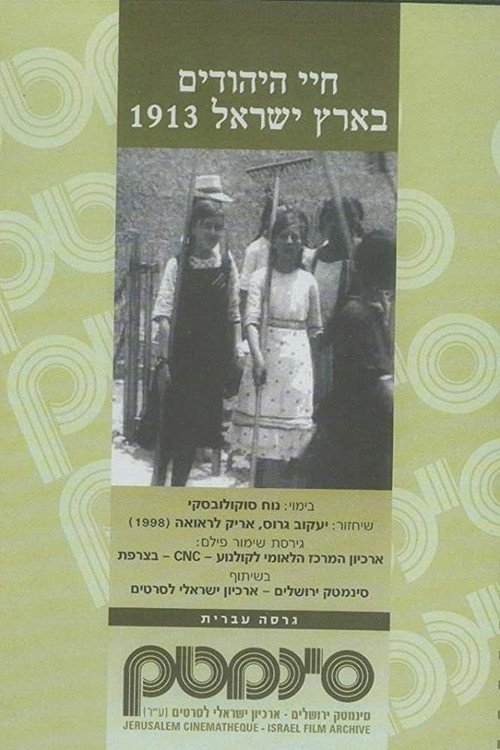
The Life of the Jews of Palestine
1913
No user ratings available yet
Representation score: 2.4 out of 10
No Poster Available
Representation Score
Limited
1897
Director
Auguste Lumière
Runtime
2 minutes
Average Rating
No ratings yetNew Showbiz Analysis
Auguste Lumière’s documentary serves as a vital historical window into late 19th-century Palestinian life. By capturing non-Western realities, it breaks away from the Eurocentric homogeneity found in much contemporary cinema. However, the film is limited by its era. The ethnographic style often risks 'othering' its subjects, and the lack of complex character arcs prevents a modern multi-layered reading. Ultimately, the work functions more as a technological and observational record than a narrative designed to challenge social hierarchies or represent underrepresented identities.
Category Breakdown
The film does not include any LGBTQ+ characters or narratives. The social constraints of the time and the focus on external reality make it unlikely to depict such identities.
Gender roles in the film likely follow traditional norms of the late 19th century. Women are shown in domestic or communal settings, reflecting the social hierarchy of the period.
The documentary features a diverse cast of Middle Eastern populations and local inhabitants. This provides a significant contrast to the homogeneous Western perspectives common in European cinema.
The film offers a glimpse into a culture outside Western dominance. However, the subjects may be framed through an ethnographic 'othering' lens typical of the era.
There is no documented evidence regarding the portrayal of individuals with physical or neurodivergent disabilities in this work.
Present on Screen
Limited or Absent
Official Synopsis
Lumière's documents life in Palestine.
1913
1897
1897
1896
1897
1896
1896

1926
No reviews yet. Be the first to share your thoughts on this movie!
Use the rating form above to leave a star rating and optional review.