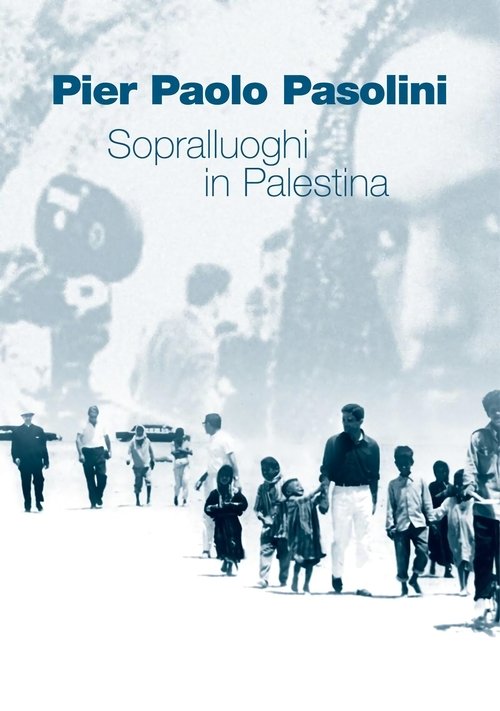
Scouting in Palestine
1965
No user ratings available yet
Representation score: 3.6 out of 10
Representation Score
Limited
1954
KTDirector
Eric Weymeersch
Runtime
81 minutes
Average Rating
No ratings yetNew Showbiz Analysis
Waar de hemel zong serves as a valuable historical record of the changing Middle East. It captures the tension of post-1948 Palestine and the preservation of endangered biblical sites through a unique religious lens. However, the film's perspective is deeply rooted in the theological worldview of its director, a Catholic missionary. This creates a narrative focused on religious stewardship and Western observation rather than diverse social ability to act. While the film documents a complex landscape of competing communities, it does not challenge established social hierarchies or contemporary progressive values regarding representation.
Category Breakdown
The film does not include any LGBTQ+ characters or narratives, sticking to traditional social and moral frameworks from the mid-20th century.
The documentary focuses on landscapes and biblical sites rather than gendered character studies. It likely adheres to traditional roles through a male-centric clerical perspective.
The film captures a range of ethnic identities within the Levant. However, it views local populations through a Western missionary lens.
The narrative emphasizes Christian perspectives and the preservation of biblical sites. It reinforces traditional religious history rather than promoting secular or anti-Western viewpoints.
There is no documented evidence regarding the portrayal of individuals with physical or neurodivergent disabilities.
Present on Screen
Limited or Absent
Official Synopsis
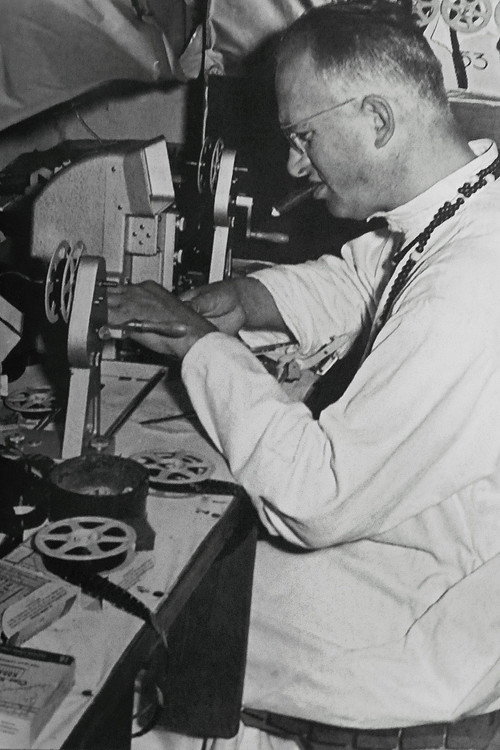
In 1954, White Father Eric Weymeersch was commissioned to film Palestine’s remaining biblical sites before they vanished forever. Wandering like a pathfinder through a Holy Land in turmoil following the creation of Israel, he had to navigate intense suspicion and threats between two hostile communities. From filming the first kibbutzim to capturing endangered historical ruins, Weymeersch urgently documented a shifting landscape. This unique religious reportage stands today as an invaluable, gripping historical document.
1965
2011
1982
2024
2017
1998
1974

1926
No reviews yet. Be the first to share your thoughts on this movie!
Use the rating form above to leave a star rating and optional review.