Server Sundaram
1964
No user ratings available yet
Representation score: 1.8 out of 10
Representation Score
Fair
1966
Director
Basu Bhattacharya
Runtime
159 minutes
Average Rating
No ratings yetNew Showbiz Analysis
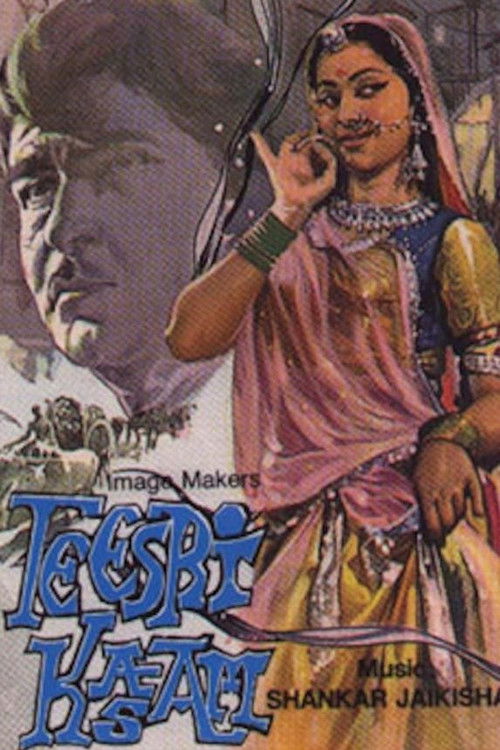
Teesri Kasam stands as a sophisticated departure from the era's standard cinematic formulas. By replacing hero-centric models with a nuanced exploration of socioeconomic challenges, the film achieves a high level of character-driven realism. The work excels in its subversion of class and gender expectations. It successfully centers the lived experiences of a working-class laborer and a underrepresented performer, challenging both social hierarchies and mainstream cinematic structures. While the film lacks engagement with LGBTQ+ or disability representation, its commitment to regional identity and folk culture provides a rich, culturally specific depth.
Category Breakdown
The film follows a strictly heterosexual storyline and does not include any non-cisgender identities or critiques of heterosexuality.
The story focuses on the dignity and significant role of a female performer. It avoids aggressive male dominance, favoring an equal emotional exchange.
The film celebrates regional identity and indigenous folk culture. It resists homogenization by embedding the narrative in specific rural and linguistic traditions.
The narrative critiques rigid class structures and social stigmas. It prioritizes a poetic, folk-centric morality over institutionalized religious or Westernized values.
There are no depictions of physical, sensory, or neurodivergent disabilities that are central to the narrative arc.
Present on Screen
Limited or Absent
Official Synopsis
A naive bullock-cart driver falls for a traveling dancer.
1964

1967
1975
1963
1994
1976
1971
1972
No reviews yet. Be the first to share your thoughts on this movie!
Use the rating form above to leave a star rating and optional review.